Aluminium hardware has become an important choice for modern homes, offices, commercial buildings, and industrial projects. From window frames and door handles to cabinet fittings, hinges, sliding systems, and architectural accessories, aluminium products offer a practical combination of strength, lightweight construction, and resistance to corrosion. Their performance, however, depends on the quality of the material, manufacturing methods, surface finishing, and maintenance.
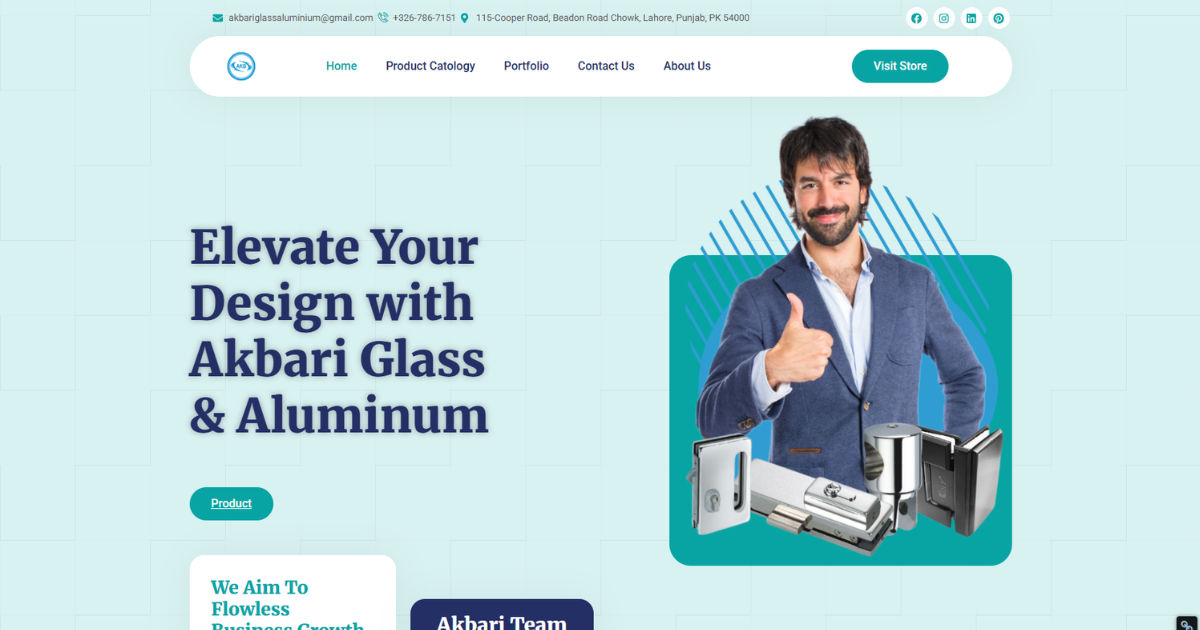
For homeowners, contractors, builders, and property developers, understanding the durability of Aluminium Hardware Pakistan is essential before investing in new installations. Pakistan's varied climate, which includes hot summers, humid coastal conditions, seasonal rainfall, and dusty environments, can affect how hardware performs over time. Choosing suitable products can help prevent premature wear, reduce maintenance expenses, and improve the lifespan of doors, windows, and other fittings.
The good news is that aluminium hardware can provide many years of reliable service when it is manufactured properly, installed correctly, and maintained regularly. However, not every aluminium product offers the same level of durability. The thickness of the material, the quality of its alloy, the type of protective coating, and the design of moving components all influence its long-term performance.
This comprehensive guide explores what makes aluminium hardware durable, how it performs in Pakistan's climate, which factors affect its lifespan, and what buyers should consider when choosing products for residential or commercial use.
Aluminium Hardware
Aluminium Hardware Pakistan includes a wide range of products made from aluminium or aluminium-based alloys. These products are used in construction, furniture, interior design, industrial applications, and architectural installations.
Common examples include:
- Aluminium door and window frames.
- Sliding door tracks and rollers.
- Handles, hinges, and locking systems.
- Cabinet profiles and fittings.
- Curtain wall components.
- Partition frames and architectural accessories.
- Aluminium brackets, channels, and support sections.
Some products are made almost entirely from aluminium, while others combine aluminium bodies with stainless steel screws, plastic rollers, rubber seals, or other materials.
This distinction matters because the durability of a complete fitting depends on all its components. A strong aluminium frame may last for decades, but a poor-quality roller or locking mechanism can fail much sooner.
Aluminium is popular because it offers a favorable balance between weight, strength, workability, and corrosion resistance. It is also suitable for different surface finishes, making it useful for both practical and decorative applications.
How Durable Is Aluminium Hardware in Pakistan?
High-quality aluminium hardware can be highly durable in Pakistan, particularly when the products are selected for their intended environment. Properly designed and maintained aluminium frames and fittings can remain functional for many years without requiring frequent replacement.
However, durability is not determined by the material alone. A product made from a suitable alloy with a protective finish may perform very differently from a poorly manufactured product made from thin material with inadequate coating.
Pakistan's environmental conditions also create different challenges in different regions. Hardware installed in Lahore may experience intense heat, dust, and seasonal humidity. Products used in Karachi may face greater exposure to moisture and airborne salt near the coast. Hardware installed in northern areas may encounter cold temperatures, rain, and repeated temperature changes.
The best results come from choosing products designed for the conditions in which they will be used.
Resistance to Everyday Wear
Aluminium hardware generally performs well under normal residential and commercial use. Window frames, cabinet profiles, and door components can withstand regular handling when their dimensions, alloy, and design are appropriate for the load.
Moving components require additional attention. Sliding door rollers, hinges, and locking mechanisms experience repeated friction and mechanical stress. Their service life depends on the quality of their design, installation, lubrication, and maintenance.
Resistance to Corrosion
One of aluminium's most useful properties is its ability to form a thin, naturally occurring oxide layer when exposed to air. This layer helps protect the underlying metal from further corrosion.
Unlike ordinary untreated steel, aluminium does not develop red rust. Nevertheless, it is not completely immune to corrosion. Certain chemicals, prolonged exposure to aggressive environments, and contact with incompatible metals can damage its surface.
Protective finishes, such as suitable anodizing or powder coating, can improve performance and appearance when properly applied.
Long-Term Structural Performance
Aluminium offers a useful strength-to-weight ratio, making it suitable for window frames, partitions, and many architectural components.
However, aluminium is not automatically stronger than every alternative material. Its ability to support weight depends on the alloy, profile thickness, shape, span, and design.
For large windows, heavy doors, and structural applications, buyers should choose engineered products that meet the required load and safety standards.
Factors That Affect the Durability of Aluminium Hardware
Several factors determine whether aluminium hardware lasts for a few years or continues performing reliably for decades. Understanding these factors can help buyers avoid poor-quality products and make better purchasing decisions.
1. Quality of the Aluminium Alloy
Not all aluminium products are manufactured using the same alloy. Different alloys have different levels of strength, corrosion resistance, and workability.
For example, aluminium alloys commonly used in architectural extrusions are selected for their ability to provide a suitable combination of strength, surface quality, and corrosion resistance.
High-quality alloys are especially important for door frames, window profiles, and fittings that experience repeated use. Inferior materials may deform more easily or provide less reliable performance under demanding conditions.
When purchasing aluminium hardware, ask the supplier about the material specifications rather than judging quality solely by appearance.
2. Thickness and Design
Material thickness plays an important role in the durability of aluminium hardware. Thin profiles may be suitable for lightweight decorative applications, but they may not provide enough rigidity for large windows or heavy doors.
A well-designed profile distributes loads more effectively and helps reduce bending or deformation.
However, thicker material is not always automatically better. The overall design, alloy, dimensions, and intended application must work together.
For example, a large sliding window needs profiles and tracks designed to support its weight without excessive flexing. Using unsuitable hardware can cause alignment problems, difficult operation, and premature wear.
3. Surface Finishing
Surface finishing protects aluminium hardware and improves its appearance.
Two widely used options are anodizing and powder coating.
Anodizing: This process creates a controlled oxide layer on the aluminium surface. It can improve corrosion resistance and provide a durable decorative finish.
Powder coating: This process applies a dry coating that is cured to form a protective surface. A properly applied coating can help protect aluminium against environmental exposure while providing different colors and textures.
The quality of preparation and application matters. Poorly applied coatings may peel, fade, or develop defects sooner than expected.
For outdoor installations, choose a finish appropriate for the expected exposure to sunlight, moisture, and pollutants.
4. Manufacturing Quality
Precision manufacturing has a direct effect on product durability.
Poorly manufactured profiles may have inconsistent dimensions, uneven surfaces, or weak connections. These problems can make installation difficult and increase the likelihood of future maintenance.
Hardware with accurately manufactured holes, properly fitted components, and smooth edges is generally easier to install and operate.
Buyers should also inspect moving parts, including rollers, hinges, and locks. These components should operate smoothly without excessive looseness or resistance.
5. Installation Quality
Even high-quality aluminium hardware can fail early if installed incorrectly.
Misaligned frames can place uneven pressure on hinges and rollers. Poorly secured fittings may loosen over time, while inadequate sealing can allow water to enter areas where it may cause damage.
Professional installation helps ensure that frames are level, openings are measured correctly, fasteners are suitable, and drainage arrangements function as intended.
Correct installation also improves security, energy efficiency, and ease of operation.
How Does Aluminium Hardware Perform in Pakistan's Climate?
Pakistan's climate varies considerably by region. Consequently, the most suitable aluminium hardware depends on where and how it will be installed.
Performance in Hot Weather
Many parts of Pakistan experience high temperatures during summer. Aluminium handles heat efficiently and expands when its temperature rises.
Thermal expansion is a normal property of the material. Properly designed installations account for expected temperature changes through suitable clearances, joints, and fixing methods.
Dark-colored aluminium frames can become particularly hot when exposed to direct sunlight. High-quality finishes and suitable installation practices can help maintain appearance and performance.
For windows and doors, thermal breaks and appropriate glazing systems can also improve indoor comfort by reducing heat transfer.
Performance in Humid Conditions
Humidity can affect hardware, seals, coatings, and other connected materials.
Aluminium generally offers good corrosion resistance, but persistent moisture can contribute to surface problems when protective finishes are damaged or when water remains trapped around joints.
Regular inspection, suitable drainage, and proper sealing are particularly important in humid environments.
In areas with heavy rainfall, frames should be designed to manage water effectively rather than relying entirely on sealant.
Performance in Coastal Areas
Coastal locations, including parts of Karachi, expose building materials to airborne salt and moisture.
These conditions can increase the risk of corrosion, particularly around fasteners, joints, and damaged finishes.
For coastal installations, buyers should consider corrosion-resistant finishes and compatible fasteners. Suitable stainless steel components may be appropriate, but their grade and compatibility with the aluminium must also be considered.
Avoid allowing unsuitable metals to remain in direct contact with aluminium in wet conditions, as this can increase galvanic corrosion.
Performance in Dusty Environments
Dust is a common challenge in many Pakistani cities.
Fine particles can accumulate in sliding door tracks, window channels, and moving mechanisms. Over time, this buildup may increase friction and make doors or windows harder to operate.
Regular cleaning helps prevent this problem. It is particularly important for sliding systems, where rollers must move freely along their tracks.
Expected Lifespan of Aluminium Hardware
The lifespan of aluminium hardware depends on its application, manufacturing quality, environmental exposure, and maintenance.
It is important to distinguish between the life of the aluminium itself and the life of the complete hardware system. A frame may remain structurally sound long after its rollers, seals, handles, or locks need replacement.
The following table provides general planning estimates rather than guaranteed service lives.
These ranges are illustrative, not universal industry guarantees. Actual performance can fall outside them, and some moving components may require replacement well before the surrounding aluminium frame.
When comparing products, ask manufacturers or suppliers for documented service-life information, applicable warranties, and maintenance recommendations.
Aluminium Hardware Compared With Other Materials
Understanding how aluminium compares with other materials can help you decide whether it is suitable for your project.
Aluminium Versus Steel
Steel can provide excellent strength and is often preferred for applications involving heavy loads.
However, ordinary carbon steel requires effective protection against corrosion, particularly in damp environments. Aluminium naturally develops a protective oxide layer and is lighter than steel.
Aluminium may therefore be a practical choice for many architectural frames and fittings, while steel may be more appropriate for applications requiring particular structural properties.
The best option depends on the design requirements rather than a general assumption that one material is always stronger or more durable.
Aluminium Versus Wood
Wood offers a natural appearance and can provide useful insulation, but it may require regular protection against moisture, insects, and weathering.
Aluminium generally requires less routine surface maintenance and is not susceptible to termite damage.
However, aluminium can transfer heat more readily than wood unless the system includes suitable thermal insulation.
For exterior doors and windows, the choice should consider appearance, climate, energy efficiency, maintenance, and budget.
Aluminium Versus uPVC
uPVC is commonly used in window and door systems because it offers low maintenance and useful thermal insulation.
Aluminium generally provides a more rigid frame for many designs and can support slim profiles when properly engineered.
However, performance varies considerably between products. Quality uPVC systems may outperform poorly manufactured aluminium systems in particular applications.
Compare the complete window or door system, including glazing, seals, frame design, hardware, and installation, rather than considering the frame material alone.
How to Maintain Aluminium Hardware for Longer Life
Routine maintenance is one of the easiest ways to protect your investment.
Clean the Surface Regularly
Use a soft cloth, clean water, and a mild detergent to remove dust and dirt.
Avoid harsh abrasives, strong acids, and unsuitable alkaline cleaners, as these may damage the protective finish.
After cleaning, rinse away any remaining detergent and dry the surface when appropriate.
Inspect Sliding Tracks and Rollers
Remove dust, sand, and debris from tracks regularly.
Check whether the rollers move smoothly and whether the door remains properly aligned. If movement becomes difficult, investigate the cause instead of forcing the door.
Use only lubricants recommended by the hardware manufacturer. Some products can attract dust or damage plastic components and seals.
Check Hinges, Handles, and Locks
Inspect screws and fittings for looseness. Check that handles move properly and locking mechanisms engage without excessive force.
Replace worn components promptly to prevent additional stress on the surrounding hardware.
For security-related fittings, choose replacement parts compatible with the original system.
Protect the Surface Finish
Inspect exposed frames for scratches, coating damage, or signs of corrosion.
Small areas of damage should be addressed using repair products recommended for the particular finish.
Avoid using metal tools or abrasive pads that may scratch the surface.
Keep Drainage Open
Many aluminium window systems include drainage openings designed to remove accumulated water.
Check these openings periodically and remove any debris that could block them.
Effective drainage helps prevent standing water and protects surrounding seals and building materials.
How to Choose Durable Aluminium Hardware in Pakistan
Choosing a reliable supplier is just as important as selecting the right material.
Buy From Reputable Suppliers
Look for suppliers who can explain product specifications, provide clear warranty terms, and recommend suitable hardware for your application.
A reputable seller should be able to discuss material quality, finish options, load requirements, and installation procedures.
Do not rely on price alone as an indicator of quality.
Inspect the Product Before Purchasing
Where possible, examine the profiles and fittings carefully.
Look for consistent dimensions, smooth finishes, clean edges, and properly fitted components. Test handles and locks to see whether they operate smoothly.
For large projects, request samples or technical documentation before placing a bulk order.
Check Certifications and Specifications
Depending on the product, relevant documentation may include alloy specifications, coating information, load ratings, corrosion-resistance testing, and compliance with applicable building standards.
Not every product needs the same documentation. Requirements for a decorative cabinet handle differ from those for a large commercial window system.
Ask for information that relates directly to the intended application.
Consider the Total Cost of Ownership
The cheapest hardware may cost more over time if it requires frequent repairs or early replacement.
Consider the purchase price alongside installation expenses, maintenance requirements, warranty coverage, and expected service life.
A higher-quality product may offer better long-term value when it performs reliably and requires fewer repairs.
Choose Hardware for the Intended Application
Different installations require different products.
Cabinet handles, interior partitions, exterior windows, heavy sliding doors, and commercial entrances have different load and performance requirements.
Tell the supplier where the hardware will be used and how frequently it will operate. This helps ensure that the selected components are appropriate for the conditions.
Common Signs That Aluminium Hardware Needs Repair
Recognizing early warning signs can help prevent a small issue from becoming a costly problem.
Watch for the following symptoms:
- Sliding doors that stick or require excessive force.
- Loose handles, hinges, or locking mechanisms.
- Visible scratches or peeling protective coatings.
- Water entering around frames during rainfall.
- Unusual noises from rollers or hinges.
- Distorted frames or gaps that affect closing.
- Corrosion around joints or metal fasteners.
Some issues can be resolved through cleaning, adjustment, or replacement of a small component. Structural distortion, persistent water leakage, or significant corrosion may require professional inspection.
Do not assume that the entire frame must be replaced simply because one fitting has failed. In many cases, replacing a compatible roller, handle, seal, or lock can restore normal operation.
Conclusion
Aluminium hardware can be a durable and practical choice for homes, offices, commercial buildings, and industrial projects throughout Pakistan. Its relatively low weight, useful strength-to-weight ratio, natural corrosion resistance, and wide range of surface finishes make it suitable for many different applications.
However, durability depends on several connected factors. The quality of the alloy, profile design, material thickness, protective coating, manufacturing precision, and installation method all influence how well a product performs. Local conditions also matter, particularly in areas exposed to intense heat, high humidity, coastal salt, or heavy dust.
When purchasing Aluminium Hardware Pakistan, buyers should focus on product specifications and suitability rather than appearance or price alone. Reputable suppliers, appropriate finishes, compatible fasteners, and properly designed moving components can make a significant difference to long-term performance.
Regular maintenance is equally important. Cleaning tracks, checking rollers, inspecting coatings, tightening suitable fittings, and keeping drainage channels clear can help prevent avoidable damage. When components eventually wear out, replacing them promptly can extend the useful life of the overall installation.
Ultimately, aluminium hardware offers excellent durability when the right products are selected, installed correctly, and maintained according to the manufacturer's recommendations. By considering the intended application, local climate, material quality, and long-term maintenance costs, property owners can make informed decisions and enjoy reliable performance for many years.