Leather is one of the most versatile materials used in fashion, accessories, footwear, furniture, and professional products. Its durability, attractive appearance, and flexible design possibilities make it popular among individuals and businesses worldwide. From simple wallets to premium leather jackets, customers often want products that match their personal preferences, brand identity, and practical requirements. A Leather Products Manufacturer Pakistan can provide different customization options to meet these expectations.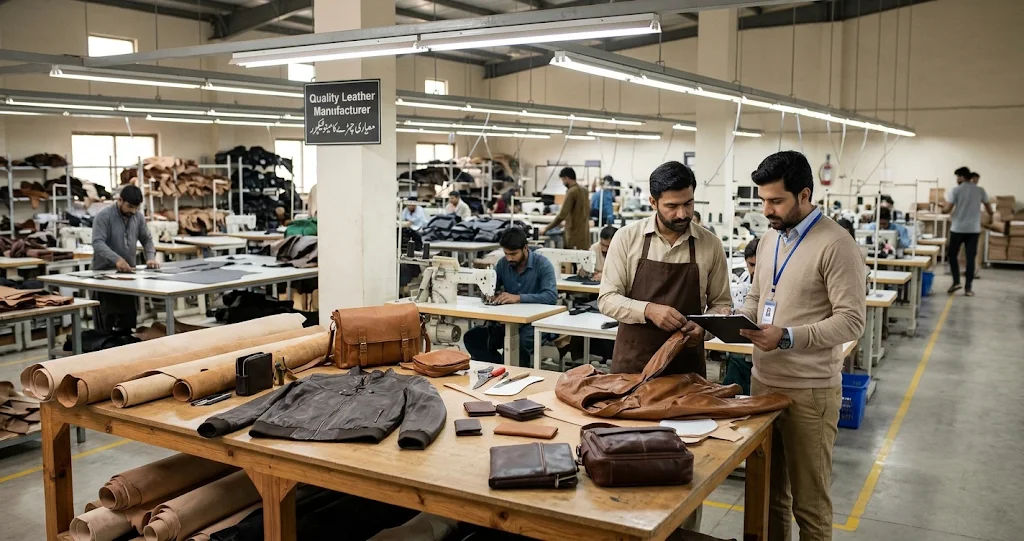
Pakistan has a well-established leather industry that serves local and international markets. Manufacturers work with different leather grades, colours, textures, designs, and production techniques. They can create products according to specific measurements, branding requirements, and customer instructions.
Customization allows customers to choose more than just the appearance of a leather product. They can also influence its material, stitching, hardware, functionality, packaging, and finishing. These options are particularly useful for fashion brands, retailers, wholesalers, corporate buyers, and businesses looking for private-label manufacturing.
Understanding the available customization services makes it easier to select the right manufacturer and communicate product requirements. This comprehensive guide explains what leather manufacturers in Pakistan can customize and how customers can achieve better results.
Leather Product Customization
Leather product customization means modifying a product according to a customer's specific requirements. Instead of purchasing a standard design, customers can request particular materials, dimensions, colours, patterns, and features.
A manufacturer may offer complete customization or provide selected modifications to existing designs. The available options depend on production capacity, material availability, order quantity, and technical requirements.
For example, a fashion company may want leather handbags with its own logo, while a corporate organization may need customized leather folders for employees and business clients.
A professional manufacturer can help turn these ideas into finished products through design development, sampling, material selection, and production.
Types of Leather Products That Can Be Customized
One major advantage of working with a professional manufacturer is the variety of products available. Different leather goods can be designed for personal use, commercial distribution, and promotional purposes.
Leather Bags and Handbags
Leather bags are among the most popular customized products. Customers can select designs that suit their fashion preferences, professional needs, or business identity.
Common customization options include:
-
Different bag shapes and sizes.
-
Shoulder straps and adjustable handles.
-
Zippers, magnetic buttons, and metal closures.
-
Internal compartments and pockets.
-
Custom colours and leather textures.
-
Decorative stitching and embossed logos.
Manufacturers can produce handbags, tote bags, shoulder bags, backpacks, laptop bags, travel bags, and office briefcases.
A business can also request matching collections with consistent colours and branding. This creates a professional appearance across its product range.
Leather Wallets and Cardholders
Wallets are practical accessories that offer plenty of customization possibilities. Customers can choose traditional or modern designs depending on their target audience.
Available options include:
-
Bi-fold and tri-fold wallet designs.
-
Slim cardholders.
-
Coin pockets.
-
Different card-slot arrangements.
-
RFID-blocking features where supported.
-
Personalized initials and logos.
-
Custom stitching and interior materials.
A manufacturer can also adjust wallet dimensions to accommodate different currencies, identification cards, and payment cards.
These details help businesses create products that combine convenience with attractive design.
Leather Jackets and Clothing
Leather clothing is another important category in the manufacturing industry. Jackets, coats, vests, and other garments can be customized for different seasons and fashion preferences.
Customers may request specific collar styles, sleeve lengths, pocket arrangements, and fitting options.
Other customization choices include:
-
Bomber and biker jacket designs.
-
Different lining materials.
-
Button and zipper styles.
-
Custom colours.
-
Decorative panels.
-
Embroidered or embossed branding.
-
Individual sizing requirements.
A clothing brand may also request a complete collection featuring coordinated designs and matching finishes.
Leather Belts
Leather belts can be manufactured in different widths, lengths, colours, and styles.
Customers can select formal belts, casual belts, fashion belts, or workwear accessories.
Customization may include buckle shapes, metal finishes, leather thickness, edge treatments, stitching patterns, and logo placement.
These options allow retailers to offer products for different customer groups.
Leather Footwear
Footwear manufacturers can customize leather shoes according to design and functional requirements.
Products may include formal shoes, casual footwear, boots, and other leather-based designs.
Important customization options include:
-
Upper leather selection.
-
Shoe shape and style.
-
Sole materials.
-
Insole construction.
-
Lining materials.
-
Lace and buckle arrangements.
-
Colours and finishing.
-
Size specifications.
Comfort, durability, and proper fitting should remain important considerations during footwear customization.
Customization of Leather Materials
Material selection has a significant effect on a leather product's appearance, performance, and price.
A reliable Leather Products Manufacturer Pakistan can help customers select suitable materials based on their product requirements and intended market.
Full-Grain Leather
Full-grain leather retains the natural grain surface of the hide. It is often selected for premium products because of its natural appearance and ability to develop character over time.
It is commonly used for:
-
Premium handbags.
-
Wallets.
-
Belts.
-
Briefcases.
-
High-quality accessories.
Customers who prefer natural textures and distinctive leather characteristics may choose this option.
Top-Grain Leather
Top-grain leather has a processed surface that creates a more consistent appearance. It is commonly used in fashion accessories, bags, and other leather goods.
It can be suitable for products requiring a relatively uniform finish.
Genuine Leather
The term genuine leather can refer to leather made from real animal hides that have undergone processing. Its quality varies according to the specific material and manufacturing method.
Customers should ask manufacturers about the actual leather grade rather than relying only on general product descriptions.
Suede Leather
Suede has a soft, textured surface that provides a different appearance from smooth leather.
It is often used for jackets, footwear, handbags, and fashion accessories.
Customers can select different colours and thicknesses according to the product design.
Synthetic Leather
Some manufacturers also work with synthetic leather materials. These materials can provide an alternative to animal leather and may be available in different textures and colours.
Customers should confirm the material composition, durability, and care requirements before placing an order.
Custom Colours and Surface Finishes
Colour and finishing influence how customers perceive leather products. Manufacturers can offer several finishing choices to create different visual effects.
Custom Colour Selection
Customers can request colours according to their preferred designs or brand guidelines.
Popular options include:
-
Black and brown.
-
Tan and beige.
-
Dark blue.
-
Burgundy.
-
Grey.
-
White.
-
Green.
-
Custom shades.
For large orders, manufacturers may use approved colour samples to maintain consistency throughout production.
This is particularly important for businesses selling matching handbags, wallets, belts, and accessories.
Matte and Glossy Finishes
Leather products can have matte, semi-gloss, or glossy surfaces.
A matte finish creates a subtle appearance, while a glossy finish provides more noticeable shine.
The appropriate finish depends on the product category and intended style.
Textured Finishes
Manufacturers can also create different surface appearances.
Examples include pebbled textures, smooth finishes, and selected embossed patterns.
These options allow customers to develop distinctive product collections.
Logo Printing and Brand Personalization
Branding is one of the most valuable customization services available to businesses.
Companies often want their products to display their names, symbols, or visual identities. A professional manufacturer can apply branding through different techniques.
Embossed Logos
Embossing creates a raised logo or design on the leather surface.
It is commonly used for wallets, handbags, belts, and corporate accessories.
Debossed Logos
Debossing creates an impression within the leather surface. It produces a subtle and professional appearance.
Many premium brands prefer this technique for discreet branding.
Screen Printing
Screen printing can be used to apply selected designs and colours to suitable leather surfaces.
It may be appropriate for promotional products and decorative branding.
Metal Logo Plates
Some leather products feature customized metal plates or decorative logo accessories.
Customers can select suitable shapes, finishes, and placements to complement the overall design.
Personalized Names and Initials
Manufacturers may also offer personalized names, initials, or short messages.
This option is popular for gifts, corporate merchandise, and special collections.
Custom Sizes and Product Dimensions
Standard product sizes do not always meet customer requirements. Custom manufacturing allows businesses to request specific measurements.
For example, a laptop bag may need additional space for a particular computer model. A wallet may require extra card compartments, while a travel bag may need more storage capacity.
Manufacturers can customize:
-
Product length and width.
-
Height and depth.
-
Strap length.
-
Handle dimensions.
-
Pocket measurements.
-
Compartment arrangements.
-
Leather thickness.
Accurate measurements are especially important for products that must fit other items.
Customers should provide clear specifications, technical drawings, or physical samples whenever possible.
Custom Stitching and Construction
Stitching contributes to both the appearance and strength of leather products.
Different stitching styles can create distinctive designs while supporting product construction.
Thread Colours
Customers can select thread colours that match or contrast with the leather.
For example, light stitching on dark leather can create a noticeable decorative effect.
Stitching Patterns
Manufacturers may offer different stitching arrangements depending on the product.
Common options include straight stitching, decorative stitching, and reinforced stitching in areas exposed to greater stress.
Edge Finishing
Leather edges can be finished using different techniques.
Options may include painted edges, folded edges, and polished edges.
Good edge finishing improves the overall appearance and helps create a clean product structure.
Reinforced Construction
Products such as travel bags, backpacks, and work accessories may require additional reinforcement.
Manufacturers can strengthen selected areas through appropriate stitching, materials, and construction methods.
Custom Hardware and Accessories
Hardware is another important part of leather product design.
Small components such as buckles, zippers, hooks, and metal rings influence both functionality and appearance.
A manufacturer may offer different hardware options, including:
-
Brass and steel components.
-
Gold-coloured hardware.
-
Silver-coloured hardware.
-
Matte black fittings.
-
Customized buckles.
-
Magnetic closures.
-
Decorative metal accessories.
Customers should consider corrosion resistance, strength, and finishing quality when selecting hardware.
For products used regularly, durable components can improve long-term performance.
Private Label and OEM Manufacturing
Private-label manufacturing allows businesses to sell leather products under their own brand names.
This is useful for retailers, fashion companies, wholesalers, and entrepreneurs who want to establish their own product collections.
An experienced Leather Products Manufacturer Pakistan may provide private-label services that include product development, branding, production, and packaging.
Original Equipment Manufacturing
Original Equipment Manufacturing, commonly called OEM, involves producing goods according to a buyer's specifications.
The buyer may provide technical drawings, product samples, or detailed design instructions.
The manufacturer then produces the items according to the approved requirements.
Private-Label Branding
Private-label services allow customers to add their own branding to manufactured products.
This can include:
-
Custom logos.
-
Branded labels.
-
Interior tags.
-
Packaging designs.
-
Product identification cards.
-
Customized presentation boxes.
These services help businesses create a consistent brand identity.
Custom Product Development
Some customers have ideas but do not have complete technical designs.
Manufacturers may assist with product development by discussing materials, dimensions, construction, and suitable production methods.
A sample is generally developed before approving larger quantities.
Custom Packaging and Presentation
Packaging is an important part of the customer experience. A well-presented leather product can create a positive impression before the customer even uses it.
Manufacturers may provide customized packaging according to the product and order requirements.
Branded Packaging Boxes
Customers can request boxes displaying their business names, logos, and brand colours.
These boxes are useful for premium wallets, handbags, belts, and gift products.
Dust Bags
Dust bags help protect leather products from dust and surface contact during storage.
They are particularly useful for handbags, shoes, and other premium accessories.
Customized Labels
Labels can include product information, brand identity, care instructions, and other relevant details.
Customers should ensure that product descriptions accurately represent the materials used.
Gift Packaging
Businesses selling leather products as gifts may request special packaging arrangements.
These can include decorative boxes, tissue paper, ribbons, and customized presentation materials.
Customization for Corporate and Promotional Products
Leather products are widely used in professional environments because they can provide a practical and organized appearance.
Companies often purchase customized leather accessories for employees, clients, conferences, and business events.
Common corporate products include:
-
Leather document folders.
-
Business cardholders.
-
Office organizers.
-
Laptop sleeves.
-
Executive bags.
-
Customized notebooks.
-
Passport holders.
-
Desk accessories.
Organizations can request their logos, corporate colours, and specific product dimensions.
For large orders, manufacturers may also coordinate matching designs across several product categories.
This creates a consistent appearance for corporate gifts and promotional collections.
Customization for International Markets
Pakistan's leather manufacturing industry serves customers with different product preferences and market requirements.
International buyers may request products designed for specific retail markets.
For example, a European fashion retailer may prefer minimalist handbags, while a corporate supplier may require practical office accessories.
A manufacturer can discuss several aspects of international customization.
Market-Specific Designs
Different countries have different consumer preferences.
Some markets prefer traditional leather products, while others focus on modern designs and functional accessories.
Manufacturers can adjust colours, dimensions, styles, and product features according to buyer instructions.
Quality and Compliance Requirements
International buyers may have specific expectations regarding materials, chemical restrictions, product safety, and quality documentation.
Manufacturers should clarify which requirements they can meet and provide relevant supporting documentation where available.
Export Packaging
Export orders may require packaging that protects products during transportation and storage.
Packaging specifications should consider product dimensions, shipping methods, handling requirements, and destination regulations.
How to Request Customized Leather Products
Getting the desired results requires clear communication between the customer and manufacturer.
A structured process helps reduce misunderstandings and improves production consistency.
Step 1: Identify Your Product Requirements
Start by deciding what you want to manufacture.
Identify the product category, intended use, target audience, and expected quantity.
For example, a retailer may require 500 customized wallets, while a corporate buyer may need 100 branded laptop bags.
Step 2: Select the Leather Material
Discuss available leather grades and alternative materials.
Ask about durability, texture, thickness, appearance, and maintenance requirements.
Request material samples when necessary.
Step 3: Share Design Specifications
Provide sketches, reference samples, measurements, and branding instructions.
Explain where logos, pockets, zippers, and other accessories should be positioned.
Detailed specifications make the production process easier to manage.
Step 4: Approve a Product Sample
A physical sample allows customers to examine the material, stitching, dimensions, finishing, and overall construction.
Any necessary adjustments should be communicated before bulk production begins.
Step 5: Confirm Pricing and Production Time
Request a detailed quotation based on the approved specifications.
The price may depend on material quality, design complexity, hardware, order quantity, packaging, and labour requirements.
Confirm production schedules and delivery expectations before placing the order.
Step 6: Review Quality Control
Manufacturers should inspect products to ensure that they match approved specifications.
Customers can discuss inspection arrangements, acceptable quality standards, and packaging requirements before production.
Factors That Affect Leather Customization Costs
Customization costs vary depending on several production factors.
Understanding these factors helps customers prepare realistic budgets.
Material Quality
Premium leather generally costs more than lower-grade leather or synthetic alternatives.
The type, thickness, finish, and availability of materials influence the final quotation.
Design Complexity
Simple designs are usually easier to manufacture than products with multiple compartments, decorative details, or complicated construction.
More complex designs may require additional labour and development time.
Order Quantity
The number of products ordered can influence the unit price.
Larger orders may allow manufacturers to distribute certain setup and production costs across more units.
However, minimum order quantities vary between manufacturers and product categories.
Branding Requirements
Embossing, custom metal plates, special labels, and personalized packaging may add to production costs.
The number of branding elements and their complexity should be discussed during quotation.
Packaging and Shipping
Customized packaging can increase the overall product cost.
International buyers should also consider transportation, insurance, customs duties, and applicable import charges.
How to Choose the Right Leather Manufacturer in Pakistan
Selecting the right production partner is important for achieving consistent results.
Not every manufacturer offers the same materials, customization options, or production capabilities.
Consider the following factors before making a decision.
Manufacturing Experience
Look for manufacturers with experience in the specific products you want to purchase.
A company specializing in leather wallets may have different capabilities from one focused on jackets or footwear.
Product Samples
Review samples to understand the manufacturer's workmanship.
Pay attention to stitching, material consistency, hardware, dimensions, and finishing.
Customization Capabilities
Ask whether the manufacturer can meet your requirements.
Some businesses offer complete product development, while others specialize in modifications to existing designs.
Communication
Clear communication is essential for successful custom orders.
The manufacturer should be able to explain available materials, production limitations, costs, and expected timelines.
Quality Control
Discuss how products are inspected during manufacturing.
A reliable production partner should have a clear approach to checking materials, construction, finishing, and completed goods.
Production Capacity
Make sure the manufacturer can handle your required order quantity.
This is particularly important for retailers and wholesalers who need regular production.
Common Mistakes to Avoid When Ordering Customized Leather Products
Even well-planned projects can face problems if important details are overlooked.
Customers should avoid several common mistakes.
Not defining material quality: General descriptions may create confusion. Always confirm the exact leather type and finish.
Ignoring product measurements: Incorrect dimensions can make products unsuitable for their intended purpose.
Skipping sample approval: A sample provides an opportunity to identify problems before bulk production.
Overlooking branding placement: Logo size, colour, and position should be approved in advance.
Choosing only the lowest quotation: Very low prices may involve compromises in materials, construction, or finishing.
Ignoring delivery requirements: Confirm production schedules, packaging, and shipping arrangements before approving the order.
Taking time to address these details can prevent unnecessary expenses and production delays.
Future Trends in Customized Leather Manufacturing
The leather industry continues to evolve as consumer preferences, production methods, and design expectations change.
Customization is becoming increasingly important because customers want products that reflect their individual preferences and business identities.
Personalized Fashion Accessories
Consumers increasingly appreciate accessories with unique colours, initials, and personalized details.
Manufacturers can respond by offering more flexible customization services.
Sustainable Material Choices
Environmental considerations are influencing material selection and manufacturing practices.
Some buyers are interested in responsibly sourced leather, improved waste management, and alternative materials.
Customers should ask manufacturers about their actual sourcing and production practices rather than relying on general sustainability claims.
Digital Design and Sampling
Digital design tools can help manufacturers and buyers communicate product specifications more clearly.
Technical drawings, digital mock-ups, and organized product specifications can reduce misunderstandings during development.
Small-Batch Customization
Some businesses prefer smaller production runs when testing new products or entering unfamiliar markets.
The availability of small-batch manufacturing depends on the manufacturer's production model and minimum order requirements.
Improved Product Functionality
Modern customers often look for products that combine attractive designs with practical features.
Examples include organized laptop bags, multi-compartment wallets, and travel accessories with additional storage options.
Manufacturers can incorporate these features while maintaining the intended appearance of the product.
Conclusion
Leather product customization provides businesses and individual customers with many opportunities to create products that match their requirements. From handbags and wallets to jackets, footwear, belts, and corporate accessories, manufacturers in Pakistan can offer a wide range of design and production options.
A professional Leather Products Manufacturer Pakistan can customize materials, colours, textures, dimensions, stitching, hardware, logos, labels, and packaging. These services allow retailers, wholesalers, fashion brands, and corporate buyers to develop distinctive products for different markets.
Successful customization begins with clear planning. Customers should identify their product requirements, select appropriate materials, provide accurate measurements, and communicate branding instructions. Approving samples before bulk production is equally important because it allows buyers to evaluate quality and request necessary adjustments.
Choosing a suitable manufacturer also requires attention to production experience, material knowledge, communication, quality control, and manufacturing capacity. Buyers should compare complete quotations rather than considering price alone.
For businesses developing private-label collections, customization can help establish a recognizable brand identity and offer products that stand apart from standard market designs. For individual customers, it provides an opportunity to select leather goods that reflect their personal preferences and practical needs.
Ultimately, the best results come from combining thoughtful design, suitable materials, skilled workmanship, and effective communication. By understanding the available customization options, customers can work confidently with Pakistani leather manufacturers and develop products that meet their quality, functionality, and business expectations.