Weightlifting is an excellent way to build strength, improve fitness, and develop muscle. However, getting the most out of your training requires more than choosing the right weights and following a good workout plan. Your clothing also plays an important role in your comfort, movement, and performance. Wearing suitable gym clothing allows you to focus on proper technique without worrying about uncomfortable fabric, restricted movement, or excessive sweating.
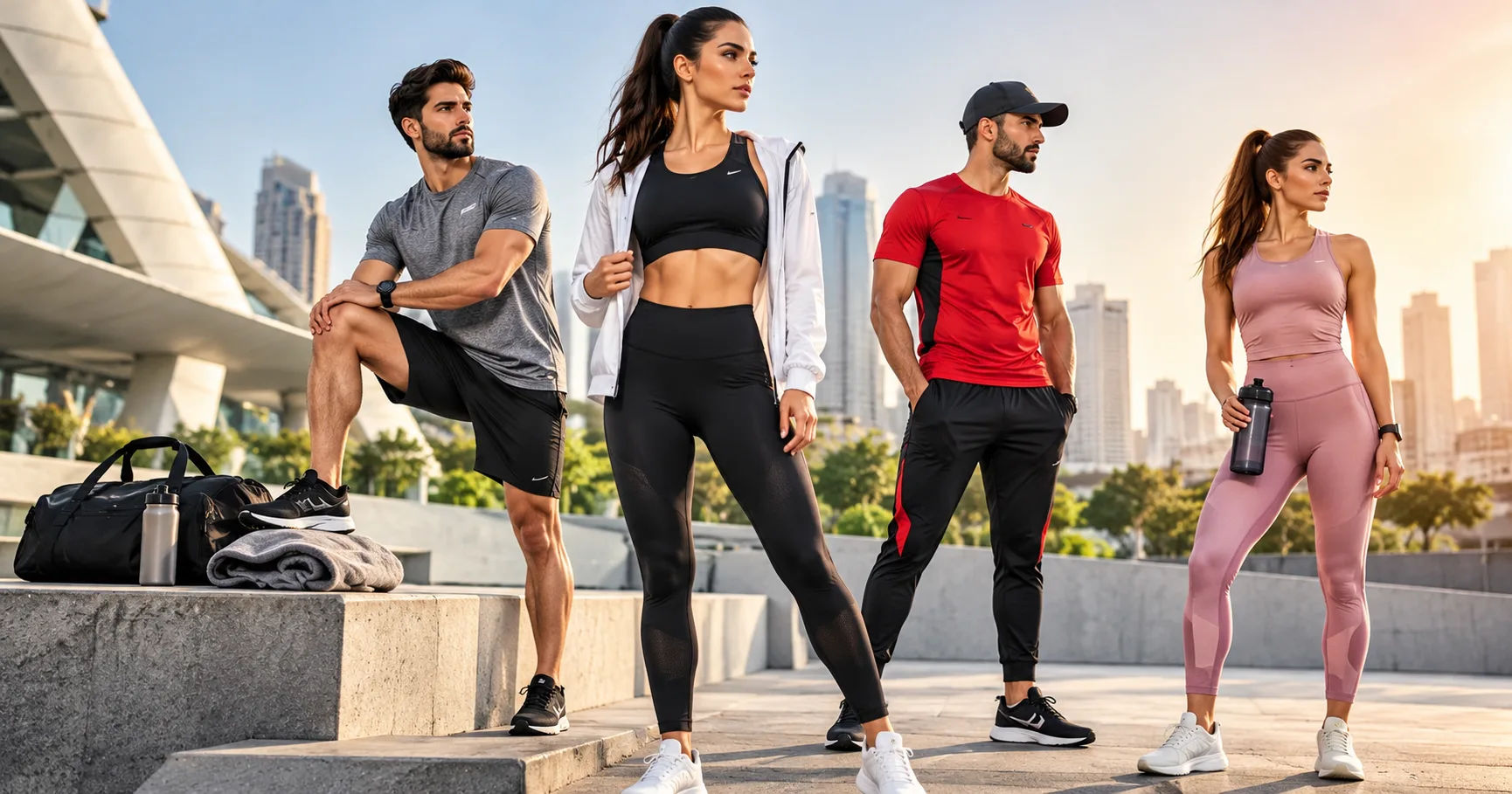
Choosing the right Sports Wears for weightlifting can make your workouts more comfortable and productive. Whether you are a beginner learning basic exercises or an experienced lifter working toward heavier lifts, your clothing should support your movements and help you stay focused throughout each session.
The best weightlifting outfit usually includes a breathable shirt, flexible shorts or leggings, supportive footwear, and comfortable underwear. Depending on your training style, you may also benefit from accessories such as lifting belts, wrist wraps, and knee sleeves. Each item serves a different purpose, so understanding what works best can help you build a practical gym wardrobe.
Why Choosing the Right Clothing Matters for Weightlifting
Weightlifting involves repeated movements that require strength, balance, coordination, and control. Exercises such as squats, deadlifts, bench presses, and overhead presses place different demands on your body.
Your clothing should allow you to move naturally while remaining comfortable under pressure. Poorly fitted garments can distract you, restrict your range of motion, or make it difficult to monitor your exercise technique.
Freedom of Movement
Weightlifting requires your hips, shoulders, knees, and ankles to move through different positions. Tight or stiff clothing can make these movements uncomfortable.
For example, performing a deep squat requires sufficient flexibility around the hips and thighs. Stretchable shorts or leggings allow you to bend your knees and hips without unnecessary resistance.
Similarly, a shirt with flexible sleeves makes overhead movements easier. Choosing clothing that moves with your body helps you concentrate on proper form.
Sweat Management
Weightlifting can produce significant sweating, especially during intense sessions or workouts in warm gyms. Clothing that traps moisture may become uncomfortable and heavy.
Moisture-wicking fabrics help move sweat away from your skin, allowing it to evaporate more quickly. This can help you feel drier during your workout.
Breathable materials are particularly useful for people who train frequently or perform strength exercises alongside cardiovascular activities.
Confidence and Comfort
Comfortable clothing can help you feel more confident in the gym. When your outfit fits properly, you are less likely to adjust your shirt, pull at your waistband, or worry about fabric shifting during exercises.
The goal is not to wear the most expensive gym outfit. Instead, choose garments that suit your body, training style, and personal preferences.
1. Moisture-Wicking T-Shirts and Training Tops
is one of the most useful pieces of clothing for weightlifting. It should feel comfortable, allow free movement, and manage sweat effectively.
Which Fabrics Work Best?
Polyester and polyester blends are popular choices because they are lightweight, durable, and often designed to wick moisture away from the skin.
Nylon blends can also provide a smooth feel and good flexibility. Some training shirts combine synthetic fibers with elastane to improve stretch.
Cotton shirts are comfortable and affordable, particularly for light workouts. However, cotton tends to absorb and retain moisture, so a heavily sweat-soaked shirt may become uncomfortable during long or intense sessions.
Choose a fabric based on your workout intensity and personal comfort rather than assuming one material is best for everyone.
Should You Wear a Fitted or Loose Shirt?
Both fitted and loose shirts can work well for weightlifting.
A fitted shirt allows you to move without excess fabric getting in the way. It may also make it easier to observe your shoulder and torso positions during exercises.
A loose shirt provides a relaxed feel and may suit people who prefer greater airflow.
Avoid shirts that are so loose that they interfere with equipment or hang close to moving weights. Likewise, overly tight tops should not restrict your breathing or shoulder movement.
2. Flexible Shorts for Squats and Deadlifts
Shorts are a popular choice for weightlifting because they offer ventilation and allow the legs to move freely.
They are especially useful during exercises that require deep knee and hip movement, including squats, lunges, and deadlifts.
What Makes Good Weightlifting Shorts?
Look for shorts made from stretchable, durable fabric with a secure waistband.
A blend containing polyester, nylon, or elastane can provide a useful balance of flexibility and durability.
The length is a matter of preference, but the shorts should not prevent your hips from bending or your thighs from moving naturally.
A secure waistband is important because you do not want to keep adjusting your clothing between sets.
Are Running Shorts Suitable for Weightlifting?
Running shorts can work for general gym training, but not every pair is ideal for lifting.
Some running shorts have very lightweight material that may shift during squats or deadlifts. Others have loose openings that provide excellent ventilation but less coverage during deep movements.
If you already own running shorts, test their comfort during bodyweight squats, lunges, and other movements before using them for a full lifting session.
Choose a pair that stays in place and provides appropriate coverage throughout your workout.
3. Leggings and Compression Tights
Leggings and compression tights are useful alternatives to shorts. They offer coverage, flexibility, and a close fit that reduces excess fabric.
Many lifters prefer them during cooler weather or when they want additional coverage around their thighs and knees.
Benefits of Stretchable Leggings
Quality training leggings generally contain elastane or a similar stretch fiber. This allows the material to expand during squats, lunges, and hip-hinge movements.
Look for a pair that maintains its shape and provides adequate coverage when stretched. Opaque fabric is particularly important when bending deeply under a barbell.
A comfortable waistband should stay secure without digging into your stomach.
Do Compression Tights Improve Performance?
Compression clothing applies pressure to the body, depending on its design and fit. Some athletes find it comfortable because it provides a secure, supportive feeling.
However, compression tights should not be treated as a substitute for proper technique or strength training. Evidence that they significantly increase weightlifting strength is limited.
Choose compression garments primarily for comfort, coverage, and personal preference. They should feel snug rather than painful or restrictive.
4. Weightlifting Shoes for Stability
Footwear is one of the most important parts of a weightlifting outfit. Your shoes provide the contact between your body and the floor, helping you maintain balance during heavy lifts.
The best choice depends on the exercises you perform and your individual movement needs.
Flat-Soled Shoes for Deadlifts
Many lifters prefer shoes with a firm, relatively flat sole for deadlifts.
A stable, low-profile sole can help reduce unnecessary movement between your feet and the floor. Some lifters also choose minimalist lifting shoes with little cushioning.
Excessively soft running shoes may compress under heavy loads, which can make your footing feel less stable.
For this reason, heavily cushioned running shoes are generally not the first choice for heavy barbell lifting.
Raised-Heel Shoes for Squats
Dedicated weightlifting shoes often have a firm sole and an elevated heel.
The raised heel can help some lifters achieve greater ankle flexion and maintain a more upright torso during squats. This may be particularly useful for certain Olympic weightlifting movements.
However, the ideal heel height depends on your body proportions, mobility, technique, and training goals.
Raised-heel shoes are not necessary for everyone. If you squat comfortably in stable, flat footwear, you may not need a specialized pair.
What About Cross-Training Shoes?
Cross-training shoes are designed for a mixture of exercises, including strength training and some conditioning activities.
They often provide a firmer base than running shoes while allowing enough flexibility for general gym workouts.
If you perform weightlifting alongside circuit training, these shoes may be a practical choice.
5. Sports Bras and Supportive Training Tops
For people who need breast support, a well-fitting sports bra can improve comfort during weightlifting.
Although weightlifting usually involves less bouncing than running, exercises such as jumping warm-ups, dynamic movements, and circuit training may require additional support.
Choosing the Right Level of Support
A medium-support sports bra is sufficient for many controlled strength workouts, although individual needs vary.
People with larger breasts or those who combine lifting with high-impact exercises may prefer a higher-support design.
The band should remain secure without making breathing difficult. Straps should stay in place, and the fabric should not cause uncomfortable rubbing.
Breathability and Fit
Look for breathable materials that manage sweat effectively. Adjustable straps and supportive bands can help you find a more comfortable fit.
The best sports bra is one that allows you to perform overhead presses, bench presses, and other exercises without discomfort or unnecessary movement.
As with other training garments, fit and comfort are more important than brand names.
6. Socks and Foot Comfort
Socks are easy to overlook, but they can make a noticeable difference during weightlifting.
The right pair helps reduce friction, manages moisture, and improves comfort inside your shoes.
Choosing the Right Material
Synthetic blends, merino wool blends, and other moisture-managing fabrics can help keep your feet comfortable.
Cotton socks are suitable for some people, but they may retain moisture during long workouts.
Choose socks that fit securely without bunching inside your shoes. Thick folds can create pressure points, while poorly fitted socks may slip during exercise.
Should You Wear Long Socks for Deadlifts?
Some lifters wear long socks during deadlifts to protect their shins from contact with the barbell.
This can help reduce minor scrapes, particularly when the bar travels close to the legs.
Long socks are optional, but they may be useful if you regularly perform conventional deadlifts.
7. Lifting Belts, Wrist Wraps, and Knee Sleeve
Although accessories are not clothing in the traditional sense, they are often included in a weightlifter's training kit.
These items serve specific purposes and should be chosen according to your training experience, exercises, and needs.
Weightlifting Belts
A lifting belt can provide a firm surface against which you brace your abdominal muscles during certain heavy lifts.
It does not automatically protect your back or replace proper lifting technique. Learning how to brace correctly and position your body remains essential.
Beginners should first develop sound technique with manageable loads before relying on a belt.
Wrist Wraps
Wrist wraps provide external support around the wrist. Some lifters use them during heavy bench presses, overhead presses, or other movements where wrist positioning matters.
They should not be so tight that they cause numbness, tingling, or discomfort.
Wrist wraps are optional accessories rather than essential equipment for every weightlifting session.
Knee Sleeves
Knee sleeves are generally made from stretchy neoprene or similar materials. They provide compression and warmth around the knee.
Some lifters find them comfortable during squats and other lower-body exercises.
However, knee sleeves do not guarantee injury prevention or correct poor movement patterns. Persistent knee pain should be assessed by a qualified healthcare professional.
8. What Fabrics Should You Look for in Sports Wears?
The fabric of your workout clothes affects comfort, durability, flexibility, and sweat management.
Understanding the common materials can help you make better choices when shopping for Sports Wears jiu jitsu g.
Polyester
Polyester is widely used in athletic clothing because it is lightweight, durable, and generally quick-drying.
It is a practical choice for training shirts, shorts, and leggings.
Some polyester garments may retain odors if they are not washed properly, so regular cleaning is important.
Nylon
Nylon is known for its smooth texture and durability. It is commonly used in leggings, shorts, and fitted training garments.
Nylon blends can provide flexibility and a comfortable fit during repeated movements.
Elastane
Elastane, also known as spandex or Lycra, is valued for its stretch and ability to return to its original shape.
It is often blended with polyester or nylon to make clothing more flexible.
This feature is particularly useful for garments worn during squats, lunges, and overhead movements.
Cotton
Cotton feels soft and comfortable against the skin. It can work well for light training or for people who prefer natural fibers.
However, cotton absorbs sweat and dries more slowly than many synthetic fabrics.
If you sweat heavily, a moisture-wicking material may be a more comfortable option for longer sessions.
9. How to Choose Sports Wears for Your Training Style
Your ideal outfit depends on how you train. A powerlifter preparing for heavy squats may have different clothing needs from someone performing general strength exercises.
For Beginners
Beginners can start with a breathable shirt, flexible shorts or leggings, supportive socks, and stable shoes.
There is no need to purchase every accessory immediately.
Focus on comfort, appropriate fit, and learning correct exercise technique. As your training develops, you can decide whether specialized footwear or other equipment would be useful.
For Powerlifting
Powerlifting centers on the squat, bench press, and deadlift.
Many powerlifters prefer fitted clothing that does not interfere with the barbell or obscure their movements. Stable footwear is especially important for squats and deadlifts.
If you compete, check the applicable federation's clothing and equipment rules because some garments and accessories may have specific requirements.
For Olympic Weightlifting
Olympic weightlifting involves the snatch and clean and jerk, which require mobility, coordination, and rapid movement.
Flexible clothing is useful because lifters need to move into deep receiving positions and raise their arms overhead.
Dedicated weightlifting shoes may also help some athletes maintain a stable position during these movements.
For General Gym Training
If you combine weightlifting with cardio, machines, and functional exercises, versatile training clothes may be the most practical choice.
Cross-training shoes, flexible shorts, and moisture-wicking tops can work across different activities.
The goal is to avoid buying specialized clothing for exercises you rarely perform.
10. Common Clothing Mistakes to Avoid
Even experienced lifters can make clothing choices that reduce comfort or interfere with training.
Wearing the Wrong Shoes
Soft, unstable running shoes may not provide the firm base some heavy lifts require.
Choose footwear according to your main exercises rather than assuming one shoe works equally well for every activity.
Choosing Clothing That Restricts Movement
Tight garments can limit movement if the fabric does not stretch sufficiently.
Before training, test your outfit by performing bodyweight squats, lunges, arm raises, and hip hinges.
Your clothing should allow you to move comfortably without pulling or shifting excessively.
Ignoring Sweat and Hygiene
Wearing damp clothing repeatedly can lead to unpleasant odors and skin irritation.
Wash training clothes after workouts according to their care instructions, and allow shoes and gym bags to dry properly.
Buying Based Only on Appearance
Stylish clothing can make you feel confident, but appearance should not be the only consideration.
Check fabric quality, fit, durability, and comfort before spending money on expensive gym outfits.
Good training clothing should support your workout rather than distract you from it.
11. Caring for Your Weightlifting Clothes
Proper care can help your training clothes last longer and remain comfortable.
Wash sweaty garments promptly, following the manufacturer's instructions. Avoid excessive heat when drying synthetic fabrics because high temperatures may damage elastic fibers.
If possible, turn printed garments inside out before washing to help protect their designs.
Keep lifting shoes clean and dry, and inspect their soles regularly for wear. Replace footwear when the sole becomes unstable or damaged.
Belts, wrist wraps, and knee sleeves should also be cleaned according to their material and care requirements.
Building a habit of maintaining your equipment helps you get better value from your purchases.
Conclusion
Choosing the right clothing for weightlifting is about more than looking good at the gym. It involves finding garments that support movement, manage sweat, provide comfort, and suit the exercises you perform.
The most useful Sports Wears for weightlifting usually include breathable training shirts, flexible shorts or leggings, stable footwear, comfortable socks, and supportive sports bras when needed. Specialized accessories such as lifting belts, wrist wraps, and knee sleeves may also be useful for certain training goals, but they are not essential for everyone.
Fabric choice matters, too. Polyester and nylon blends often provide useful moisture management and durability, while elastane adds flexibility. Cotton remains a comfortable option for lighter workouts, although it may become heavy when soaked with sweat.
Your training style should guide your decisions. Powerlifters may prioritize stable shoes and clothing that does not interfere with barbell movements. Olympic weightlifters need garments that allow deep squats and overhead positions. General gym users can benefit from versatile outfits that work across different activities.
Above all, prioritize fit, safety, and comfort over trends or expensive brands. Test your clothing through the movements you regularly perform, maintain it properly, and replace worn-out items when necessary. With the right outfit, you can spend less time adjusting your clothes and more time focusing on technique, consistency, and steady progress toward your strength goals.