Mobile app gaming has become a popular form of entertainment for people of different ages. Smartphones make it possible to enjoy games almost anywhere, whether someone is relaxing at home, travelling, or taking a short break from daily responsibilities. Although gaming can be enjoyable and mentally stimulating, spending too much time playing can affect sleep, physical activity, concentration, and personal relationships. This makes it important to understand how much gaming time is healthy.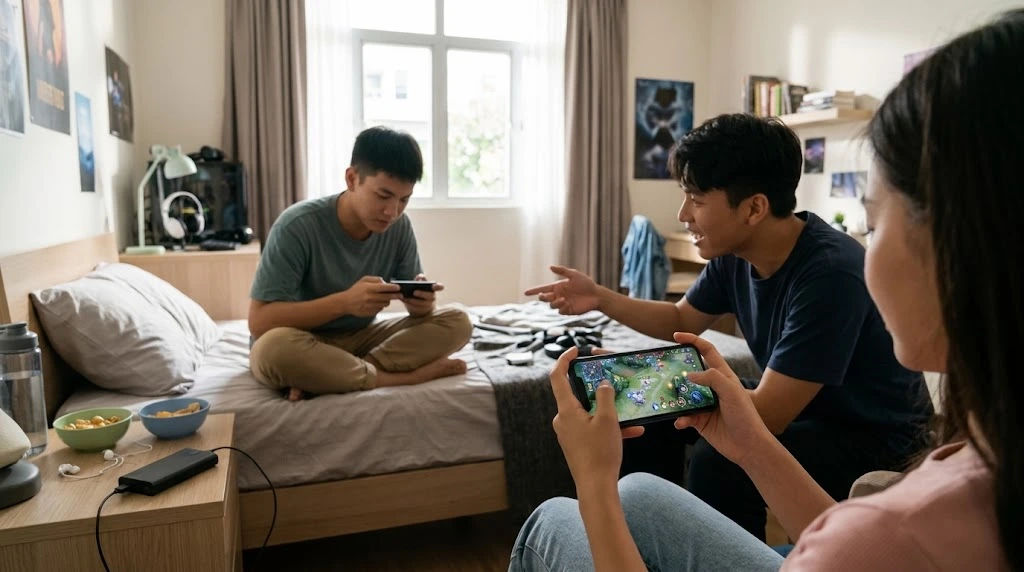
Finding the right balance does not mean giving up gaming completely. Instead, players should develop habits that allow them to enjoy their favourite games without neglecting other important activities. Platforms and gaming experiences such as z777 game can be part of someone's entertainment routine, but the amount of time spent playing should always remain reasonable and controlled.
Healthy gaming habits depend on several factors, including age, daily responsibilities, physical health, sleep quality, and the type of games being played. A person who plays for thirty minutes after completing their responsibilities may have a very different experience from someone who spends several hours gaming without taking breaks. Understanding these differences helps players make better decisions.
This comprehensive guide explains recommended gaming durations, the possible benefits and disadvantages of mobile gaming, and practical ways to maintain a healthy relationship with digital entertainment.
Healthy Mobile App Gaming Time
Healthy gaming time refers to the amount of time someone can spend playing mobile games without negatively affecting other areas of life. There is no single number that works for everyone because individual needs and circumstances vary.
For example, children require different screen-time boundaries from adults. Students must balance gaming with education, while working adults need to manage entertainment alongside professional and family responsibilities.
The purpose of setting gaming limits is to prevent excessive screen use while allowing enough time for relaxation.
Why Gaming Duration Matters
The amount of time spent gaming can influence everyday habits. Playing occasionally may provide entertainment and relaxation, but extended gaming sessions can reduce opportunities for exercise, social interaction, and other productive activities.
Spending several hours continuously looking at a smartphone screen may also cause tired eyes, headaches, neck discomfort, and reduced physical movement.
Gaming duration becomes particularly important when players begin delaying essential responsibilities to continue playing.
There Is No Universal Gaming Limit
Different people have different lifestyles. Someone who works outdoors may have different screen habits from someone who spends most of the day studying or working on a computer.
The type of gaming activity also matters. A short puzzle game may involve less intense interaction than a competitive multiplayer game that requires continuous attention.
Instead of following one strict number, players should consider their overall screen exposure, daily activities, and physical and mental well-being.
Recommended Daily Gaming Time by Age
Age is one of the most important factors when deciding how much mobile gaming is appropriate.
Children and teenagers are still developing physically, emotionally, and mentally. Their entertainment habits should therefore be managed carefully.
Adults generally have more independence when deciding how to spend their free time, but they also need to maintain healthy boundaries.
Gaming Time for Young Children
Young children benefit from limited and supervised screen use. Their daily routines should prioritize physical movement, outdoor activities, family interaction, and sufficient sleep.
For children younger than two years, screen exposure should generally be avoided apart from appropriate video communication. For children aged two to five, the World Health Organization recommends no more than one hour of sedentary screen time daily, with less being better.
Parents should also consider the content of games. Educational and age-appropriate games may provide useful learning experiences when used in moderation.
Gaming should never replace important developmental activities such as playing with toys, reading, drawing, and interacting with other children.
Gaming Time for School-Age Children
Children between six and twelve years old need balanced routines that include education, recreation, physical activity, and sleep.
A practical approach is to establish a reasonable entertainment screen-time allowance after schoolwork and other responsibilities are completed.
Parents can encourage children to play for shorter sessions instead of allowing unlimited gaming throughout the day.
For example, a child might enjoy thirty minutes of mobile gaming after homework, followed by outdoor play or another activity.
Gaming Time for Teenagers
Teenagers often enjoy competitive games, multiplayer experiences, and mobile entertainment.
However, excessive gaming can interfere with studying, sleep schedules, exercise, and social relationships.
A reasonable starting point is to reserve around one hour for recreational gaming on ordinary days, adjusting according to school commitments and other screen activities.
Teenagers should also avoid gaming late at night because stimulating games and screen exposure can make it harder to maintain consistent sleep schedules.
Gaming Time for Adults
Adults can usually manage their gaming schedules independently. However, having greater freedom does not mean unlimited gaming is automatically healthy.
For many adults, thirty minutes to one hour of recreational gaming can fit comfortably into a balanced daily routine.
Some people may occasionally play longer, particularly during weekends or holidays. The important consideration is whether gaming interferes with sleep, work, exercise, or relationships.
Benefits of Moderate Mobile App Gaming
Mobile gaming is not necessarily harmful. When enjoyed responsibly, it can provide several forms of entertainment and mental stimulation.
The benefits depend on the game, the individual, and the amount of time spent playing.
Improves Problem-Solving Skills
Many mobile games involve puzzles, challenges, planning, and decision-making.
Players may need to recognize patterns, remember information, or develop strategies to complete different levels.
These activities can encourage logical thinking and problem-solving practice.
Strategy games, for example, often require players to consider several possibilities before choosing their next move.
Provides Entertainment and Relaxation
Gaming can be an enjoyable way to take a break after a demanding day.
A short gaming session may help someone shift their attention away from everyday pressures and enjoy a different activity.
Games such as those available through z777 game can provide digital entertainment when players approach them with reasonable expectations and time limits.
However, gaming should not become the only method of managing stress. Exercise, hobbies, conversations, and adequate rest are also important.
Encourages Social Interaction
Some mobile games include multiplayer features that allow people to play with friends or family members.
These experiences can encourage communication, cooperation, and friendly competition.
Players may work together to achieve objectives or communicate during team-based challenges.
Nevertheless, online interaction should always be balanced with real-world relationships.
Develops Hand-Eye Coordination
Certain games require players to respond quickly to visual information.
Action games, racing games, and other interactive experiences may provide opportunities to practice visual attention and hand-eye coordination.
The benefits vary depending on the game and the individual. Gaming should not be treated as a replacement for physical activities that develop overall coordination and fitness.
Problems Associated With Excessive Mobile Gaming
Although moderate gaming can be enjoyable, spending too much time playing may create problems.
Recognizing these risks helps players identify when their entertainment habits need adjustment.
Sleep Disturbances
Sleep is essential for physical recovery, memory, concentration, and emotional well-being.
Playing games late at night can delay bedtime and make it harder to relax.
Competitive or highly stimulating games may keep the mind active when it should be preparing for sleep.
Smartphone screen exposure can also contribute to poor bedtime habits.
A useful strategy is to stop gaming at least thirty to sixty minutes before bedtime and establish a consistent sleeping schedule.
Reduced Physical Activity
Mobile gaming usually involves sitting or remaining in one position for extended periods.
If gaming replaces walking, exercise, or outdoor recreation, daily physical activity may decrease.
A sedentary lifestyle can contribute to several health concerns over time.
Players should balance screen-based entertainment with movement throughout the day.
Walking, cycling, stretching, and participating in sports are useful ways to maintain an active lifestyle.
Eye Strain and Headaches
Looking at a smartphone screen for long periods may cause digital eye strain.
Common symptoms include:
-
Dry or uncomfortable eyes.
-
Temporary blurred vision.
-
Headaches.
-
Difficulty focusing.
-
Increased sensitivity to bright screens.
Players can reduce discomfort by adjusting screen brightness, maintaining a comfortable viewing distance, and taking regular breaks.
The 20-20-20 approach is another useful habit: every twenty minutes, look at something approximately twenty feet away for twenty seconds.
Reduced Concentration
Excessive gaming can interfere with concentration when it takes time away from studying, working, or completing household responsibilities.
Frequent notifications and interruptions may also make it difficult to focus on important tasks.
Players should create specific periods for gaming rather than switching between entertainment and responsibilities throughout the day.
How to Create a Healthy Mobile Gaming Schedule
A consistent gaming schedule makes it easier to enjoy entertainment without losing control of time.
The best schedule is one that fits naturally into everyday responsibilities.
Set a Daily Gaming Limit
Start by deciding how much recreational gaming fits into your routine.
For example, an adult might choose thirty to sixty minutes on ordinary days.
Students may prefer shorter sessions during examination periods and slightly more flexibility during holidays.
When playing z777 game or another mobile game, decide when the session will end before opening the application.
This simple habit can reduce the temptation to continue playing unnecessarily.
Divide Gaming Into Short Sessions
Playing continuously for several hours is generally less comfortable than dividing gaming into shorter sessions.
For example, instead of playing for two hours without stopping, a person could play for thirty minutes, take a break, and return later if their schedule allows.
Shorter sessions provide opportunities to move, drink water, rest the eyes, and check whether other responsibilities need attention.
Complete Important Tasks First
Gaming should fit around essential responsibilities rather than replacing them.
Students should prioritize homework and revision. Working adults should complete important professional tasks, while parents should make time for family responsibilities.
Once these activities are completed, gaming can become a more enjoyable part of the day.
Use Screen-Time Tracking Tools
Most modern smartphones include built-in screen-time tracking features.
These tools can show how much time is spent using individual applications.
Players can use this information to identify patterns and discover whether gaming is taking more time than expected.
Setting application timers and daily usage limits can provide additional support.
Practical Tips for Maintaining Healthy Gaming Habits
Developing healthy habits does not require complicated changes. Small adjustments can make mobile gaming easier to manage.
Take Regular Breaks
Avoid remaining in the same position for long periods.
Stand up, stretch, walk around, and allow your eyes to rest.
A short break between gaming sessions can improve comfort and reduce the effects of prolonged sitting.
Avoid Gaming During Meals
Meals are important opportunities to enjoy food, communicate with family members, and take a break from digital devices.
Playing games while eating may encourage distracted eating and reduce meaningful social interaction.
Try keeping smartphones away from the dining table whenever possible.
Keep Gaming Away From Bedtime
Late-night gaming can gradually affect sleeping habits.
Set a specific time when gaming stops, particularly on school or work nights.
Charging your phone away from your bed may also reduce the temptation to continue playing after bedtime.
Choose Age-Appropriate Games
Not every mobile game is suitable for every age group.
Parents should review game ratings, content, communication features, and privacy settings before allowing children to play.
Adults should also understand the features and permissions of applications before installing them.
When using z777 game or similar platforms, players should review available safety information and make sure the experience is appropriate for their circumstances.
Balance Gaming With Other Hobbies
A healthy lifestyle includes different types of activities.
Reading, cooking, exercising, gardening, listening to music, and meeting friends can all provide enjoyable alternatives to screen-based entertainment.
Having several hobbies makes it easier to prevent gaming from becoming the main activity in everyday life.
Warning Signs That You Are Playing Too Much
Sometimes players do not recognize excessive gaming until it begins affecting their routines.
Paying attention to changes in everyday behavior can help identify problems early.
Ignoring Responsibilities
One warning sign is repeatedly delaying important tasks because of gaming.
If someone regularly misses deadlines, skips homework, or avoids household responsibilities to continue playing, their gaming schedule may need adjustment.
Losing Track of Time
Some games are designed around continuous challenges and rewards.
Players may intend to spend fifteen minutes gaming but remain active for several hours.
If this happens regularly, application timers and scheduled breaks can help restore control.
Feeling Irritated When Unable to Play
Becoming unusually frustrated whenever gaming is unavailable may indicate an unhealthy relationship with digital entertainment.
Players should be able to enjoy other activities without constantly thinking about their games.
Neglecting Social Relationships
Spending less time with friends and family because of gaming can create problems.
Online communication can be enjoyable, but it should not completely replace face-to-face interaction.
Maintaining meaningful relationships is an important part of overall well-being.
Experiencing Physical Discomfort
Regular headaches, eye discomfort, neck pain, and tiredness may indicate that screen habits need improvement.
Players should take breaks, improve their posture, and seek professional advice if symptoms continue.
The Role of Parents in Managing Children's Gaming Time
Parents play an important role in helping children develop responsible gaming habits.
Rather than simply banning games, they can teach children how to balance entertainment with everyday activities.
Establish Clear Household Rules
Parents can establish gaming schedules that explain when children are allowed to play and when devices should be switched off.
Rules should be consistent and appropriate for the child's age.
For example, gaming might be allowed after homework but not during meals or bedtime.
Monitor Game Content
Parents should understand what their children are playing.
Reviewing age ratings, advertisements, in-game purchases, and online communication features can help protect younger users.
Children should also understand why personal information must never be shared with strangers online.
Encourage Outdoor Activities
Physical activities are essential for healthy development.
Parents can encourage cycling, swimming, football, walking, and other enjoyable activities.
When children have interesting alternatives, they may find it easier to follow gaming limits.
Set a Positive Example
Children often learn habits by observing adults.
Parents who regularly put their phones away during meals, family activities, and conversations demonstrate healthy digital behavior.
Creating household screen-free periods can benefit everyone.
How to Balance Mobile Gaming With Work and Education
Gaming can fit into a busy lifestyle when it is treated as a planned recreational activity.
The key is to avoid allowing entertainment to interfere with important goals.
Use Gaming as a Scheduled Break
Some people enjoy playing a short game after completing a challenging task.
This can provide a pleasant change of activity.
However, gaming breaks should have a clear ending so that they do not interrupt the next responsibility.
Avoid Multitasking
Playing games while studying or working can reduce concentration.
Switching between different activities may make it harder to complete demanding tasks efficiently.
Complete one activity before moving to another.
Adjust Gaming Time During Busy Periods
Daily routines change depending on work schedules, examinations, family events, and personal commitments.
During particularly busy periods, reducing gaming time may be necessary.
During holidays, players may have more flexibility, provided they continue prioritizing sleep, exercise, and relationships.
Conclusion
Understanding how much mobile app gaming time is healthy is essential for maintaining a balanced lifestyle. Mobile games can provide entertainment, relaxation, mental stimulation, and opportunities for social interaction. However, these benefits are best enjoyed when gaming remains a manageable part of everyday life.
For many adults, thirty to sixty minutes of recreational gaming can be a reasonable starting point. Children and teenagers generally need more carefully managed screen-time routines that account for their age, education, physical development, and sleep requirements. These are practical starting points rather than universal medical limits.
Players should also remember that total screen exposure matters. Someone who spends several hours studying or working on a computer may need to be more careful about adding extended mobile gaming sessions.
Whether someone enjoys casual puzzles, competitive multiplayer experiences, or platforms such as z777 game, responsible gaming habits should remain a priority. Setting daily limits, taking regular breaks, avoiding late-night gaming, and participating in physical activities can help maintain a healthier relationship with digital entertainment.
Parents can support children by establishing consistent household rules, monitoring game content, and encouraging activities outside the digital world. Adults can benefit from tracking their application usage and recognizing when gaming begins interfering with important responsibilities.
Ultimately, healthy mobile gaming is about balance rather than complete restriction. Enjoying games in moderation while protecting sleep, physical health, education, work, and personal relationships makes entertainment more sustainable. By developing sensible habits and managing time carefully, players can enjoy mobile gaming without allowing it to control their daily lives.