Emergency food storage is an important part of household preparation. Unexpected situations such as floods, power outages, severe weather, transportation problems, and financial difficulties can make it challenging to purchase fresh groceries. Keeping foods with a long shelf life can help families maintain a reliable supply of essential nutrition when normal shopping routines are disrupted. Milk powder is one product that can play a valuable role in this preparation.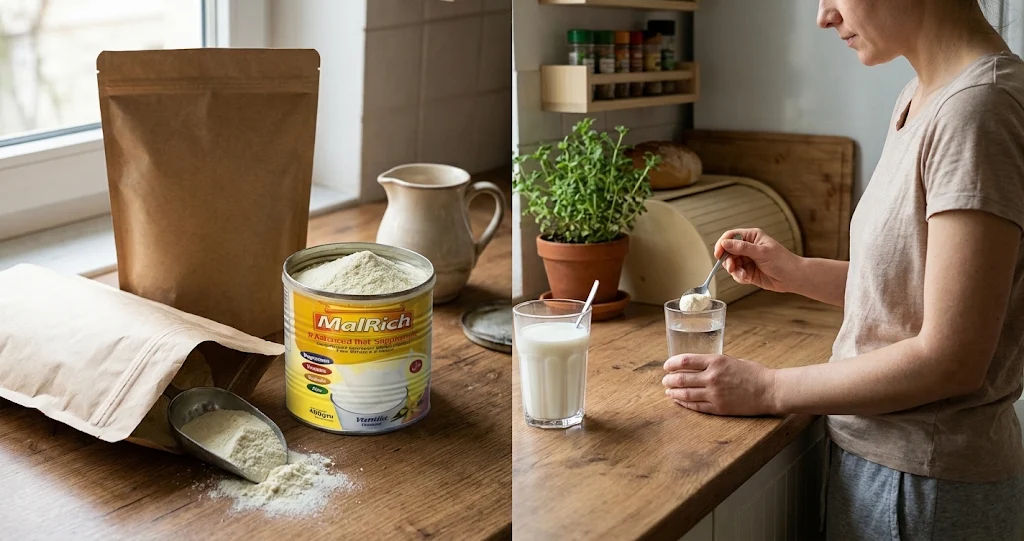
Milk is commonly used in everyday meals, including breakfast, tea, coffee, desserts, sauces, and baked goods. However, fresh milk requires refrigeration and usually has a limited storage period. Milk powder offers a practical alternative because it has most of its moisture removed, allowing it to remain usable for much longer when stored correctly. For households comparing products and planning their grocery budgets, checking the malrich milk 400g price in pakistan can also help them understand the cost of adding powdered milk to their emergency food supplies.
Milk powder is particularly useful because it is lightweight, easy to store, and simple to prepare. It can provide important nutrients and support different cooking needs during emergencies. Nevertheless, its usefulness depends on product quality, packaging, storage conditions, expiration dates, and access to clean drinking water.
Understanding these factors can help families decide whether powdered milk deserves a place in their emergency food storage plan.
Milk Powder and Its Role in Emergency Preparedness
Milk powder is produced by removing most of the water from liquid milk through specialized drying processes. The result is a dry product that can be stored in sealed packaging without refrigeration before opening, provided it is kept under suitable conditions.
When water is added, the powder can be reconstituted into liquid milk. This makes it convenient for households that want to maintain access to milk without depending entirely on fresh supplies.
Why Milk Powder Is Suitable for Emergencies
Emergency situations often create problems with food transportation, refrigeration, and grocery availability. Milk powder helps reduce some of these difficulties.
Unlike fresh milk, unopened powdered milk does not normally require refrigerator storage. Families can keep it in kitchen cabinets, pantry shelves, or designated emergency food containers.
Its lightweight nature also makes it easier to transport. A relatively small package can produce several servings of prepared milk, depending on the manufacturer's recommended mixing instructions.
Another advantage is versatility. Powdered milk can be consumed as a beverage or included in different recipes. This flexibility makes it useful when families have limited access to their usual groceries.
Different Types of Milk Powder
Not all powdered milk products are identical. Understanding the available varieties is important when building an emergency food supply.
Whole milk powder: This contains milk fat and provides a richer taste. However, its fat content can shorten its storage life compared with some low-fat alternatives.
Skimmed milk powder: This contains considerably less fat and generally offers a longer potential storage period when properly packaged.
Instant milk powder: This is processed to dissolve more easily in water. It can be convenient when families need to prepare milk quickly.
Fortified milk powder: Some products contain additional vitamins and minerals. Their nutritional composition depends on the manufacturer's formulation.
Choosing the appropriate variety depends on household preferences, nutritional requirements, budget, and intended storage duration.
Major Benefits of Milk Powder for Emergency Food Storage
Milk powder offers several advantages that make it a useful addition to emergency supplies. Its benefits extend beyond convenience because it can support meal preparation and nutritional variety.
1. Longer Shelf Life Than Fresh Milk
One of the most important advantages of milk powder is its extended shelf life.
Fresh milk can spoil relatively quickly, especially when refrigeration is unavailable. Powdered milk has significantly less moisture, which limits the conditions needed for many microorganisms to grow.
Unopened commercial products may remain suitable for months or longer, depending on their formulation, packaging, and storage instructions.
However, families should never assume that every powdered milk product has the same expiration period. The manufacturer's date and storage recommendations should always be followed.
2. Convenient Storage Without Refrigeration
Refrigeration is not always available during emergencies. Power failures can make it difficult to preserve fresh dairy products and other refrigerated foods.
Unopened milk powder can generally be stored at room temperature in a cool, dry location.
This makes it useful for emergency cupboards, food storage boxes, and household preparedness kits.
Once prepared, however, powdered milk becomes perishable. It should be refrigerated promptly if it will not be consumed immediately.
3. Provides Important Nutrients
Milk powder can provide several nutrients that support normal body functions.
Depending on the product, these may include:
-
Protein for muscle maintenance and tissue repair.
-
Calcium for healthy bones and teeth.
-
Phosphorus for bone health and energy-related processes.
-
Vitamin B12 for normal nerve function and red blood cell production.
-
Riboflavin for energy metabolism.
-
Vitamin D in fortified varieties.
These nutrients can help maintain dietary variety when access to fresh foods becomes limited.
However, milk powder should not be considered a complete emergency diet. Families still need other foods to obtain sufficient fibre, healthy fats, carbohydrates, and essential micronutrients.
4. Lightweight and Easy to Transport
Emergency supplies sometimes need to be moved quickly. Heavy food containers can make transportation difficult, especially when families must travel on foot or use limited vehicle space.
Milk powder is comparatively lightweight because most of the original water has been removed.
It can therefore be useful in evacuation supplies, camping equipment, temporary shelters, and travel food kits.
5. Versatile for Different Meals
Milk powder can be used in several types of food preparation.
It can be added to:
-
Tea and coffee.
-
Porridge and breakfast cereals.
-
Pancake and bread mixtures.
-
Soups and creamy sauces.
-
Homemade desserts.
-
Smoothies and milk-based drinks.
This versatility allows families to prepare familiar meals even when fresh milk is unavailable.
How Long Can Milk Powder Last in Emergency Storage?
The storage life of powdered milk depends on several factors, including fat content, packaging quality, temperature, moisture exposure, and manufacturing methods.
There is no single expiration period that applies to every product.
Factors That Affect Shelf Life
Packaging quality: Airtight packaging protects milk powder against moisture, oxygen, and contamination. Products in properly sealed original packaging are generally easier to store safely.
Temperature: Heat can accelerate quality deterioration. Storage in a cool location is preferable.
Humidity: Moisture can cause powder to clump and increase the risk of spoilage.
Fat content: Whole milk powder contains more fat than skimmed milk powder. Fat oxidation can affect flavour and quality over time.
Exposure to air: Opening a package introduces oxygen and environmental moisture, which can reduce its remaining storage life.
How to Check Whether Milk Powder Is Still Suitable
Before preparing powdered milk, inspect its packaging and appearance.
Look for signs such as:
-
Damaged or leaking packaging.
-
Unusual discolouration.
-
Unpleasant or rancid smells.
-
Unexpected moisture or hard clumps.
-
Evidence of insects or contamination.
A normal appearance does not guarantee safety, so expiration dates and manufacturer instructions remain important.
If the powder smells unusual or shows signs of contamination, discard it rather than attempting to use it.
Best Ways to Store Milk Powder for Emergencies
Proper storage is essential if families want to maintain the quality of their emergency food supplies.
Even products with long shelf lives can deteriorate when exposed to unsuitable conditions.
Choose a Cool and Dry Storage Area
Store unopened milk powder in a location away from direct sunlight, heat sources, and excessive humidity.
A dry pantry or dedicated food storage cabinet is often suitable.
Avoid keeping powdered milk close to ovens, cooking equipment, leaking pipes, or windows that receive strong sunlight.
Keep the Original Packaging Sealed
Commercial packaging is designed to protect its contents during storage and transportation.
Keep packages sealed until needed. If the packaging becomes damaged, its protective qualities may be reduced.
For opened products, follow the manufacturer's storage instructions and use a clean, airtight food-safe container when appropriate.
Protect Against Moisture
Moisture is one of the biggest problems affecting powdered foods.
Always use a completely dry spoon when measuring milk powder. Never introduce wet utensils into the container.
Close the package immediately after taking the required amount.
Avoid storing powdered milk in locations where condensation can develop.
Follow a Food Rotation System
An emergency food supply should not remain untouched for years without inspection.
Use a first-in, first-out approach. This means consuming older products before newer purchases.
Write the opening date on packages when appropriate and regularly inspect stored supplies.
Replacing products before their expiration dates helps maintain a dependable emergency pantry.
How to Prepare Milk Powder During an Emergency
Preparing powdered milk is straightforward, but correct handling is important for taste and food safety.
Step 1: Check the Preparation Instructions
Different products may require different quantities of water and powder.
Read the manufacturer's instructions instead of assuming that every brand uses identical measurements.
Step 2: Use Safe Drinking Water
Water quality is particularly important during emergencies.
Use clean drinking water from a reliable source. If the safety of available water is uncertain, follow local public health instructions for treating it before use.
Do not assume that boiling water removes every possible chemical contaminant.
Step 3: Measure the Powder Correctly
Use the recommended quantity of powder for the desired amount of prepared milk.
Adding too much powder can create an overly concentrated drink, while using too little can produce a weak mixture.
Accurate measurements also help families manage their emergency supplies more efficiently.
Step 4: Mix Until Smooth
Add the powder gradually while stirring.
Mixing thoroughly helps prevent lumps and creates a more consistent texture.
Some instant varieties dissolve more easily than traditional milk powder.
Step 5: Store Prepared Milk Safely
Once reconstituted, powdered milk should be treated like ordinary perishable milk.
Refrigerate it promptly at a safe temperature, ideally 4°C or below.
Do not leave prepared milk sitting at room temperature for extended periods. During a power outage, prepare only the amount that can be consumed safely.
Is Milk Powder Better Than Fresh Milk for Emergency Storage?
Both fresh milk and powdered milk have advantages, but their storage requirements are different.
|
Feature |
Milk powder |
Fresh milk |
|---|---|---|
|
Storage before opening |
Usually room temperature |
Requires refrigeration |
|
Shelf life |
Generally longer |
Generally shorter |
|
Transportation |
Lightweight |
Heavier |
|
Preparation |
Requires water |
Ready to drink |
|
Refrigeration |
Usually unnecessary before opening |
Usually necessary |
|
Emergency convenience |
High |
Depends on refrigeration |
Why Milk Powder Has an Advantage
For emergency storage, powdered milk is usually more practical because it does not depend on continuous refrigeration while unopened.
It can remain in a pantry for an extended period and be prepared whenever necessary.
Fresh milk, on the other hand, is convenient for everyday use because it requires no mixing.
The best choice depends on the situation. Families with reliable refrigeration may prefer fresh milk for regular consumption while maintaining powdered milk as a backup.
How Much Milk Powder Should a Family Store?
The required quantity depends on household size, expected emergency duration, nutritional needs, and how frequently family members consume milk.
A family that regularly uses milk for breakfast, tea, and cooking may need a larger supply than a household that consumes it occasionally.
Calculate Your Household Requirements
Start by estimating how much milk each person normally consumes in a day.
Then multiply that amount by the number of family members and the number of days you want to prepare for.
For example, if four people each consume approximately 250 millilitres of milk daily, the household needs around one litre of prepared milk per day.
For a seven-day emergency supply, that would mean approximately seven litres of prepared milk.
The amount of powder required will depend on the product's preparation instructions.
Consider Different Household Needs
Families should also consider whether children, older adults, or individuals with specific dietary requirements depend on milk.
People with lactose intolerance may need suitable lactose-free alternatives.
Those with milk allergies should avoid ordinary dairy milk powder because it contains milk proteins.
Emergency planning should account for these individual requirements rather than relying on a single product for everyone.
Can Milk Powder Be Used in Other Emergency Foods?
Yes. One of the strongest reasons to include milk powder in an emergency pantry is its ability to improve different meals.
Breakfast Foods
Milk powder can be used to prepare milk for cereal, oats, porridge, and other breakfast dishes.
It can also be mixed directly into some dry breakfast recipes according to the recipe instructions.
Baking and Cooking
During emergencies, families may still want to prepare simple homemade foods.
Powdered milk can be included in bread, pancakes, biscuits, and other baked products.
It can also contribute creaminess to soups, sauces, and mashed potatoes.
Homemade Drinks and Desserts
Milk powder can be used to make milk-based drinks and desserts when the necessary ingredients and safe water are available.
Its flexibility helps households maintain some variety in their meals.
However, it should always be prepared according to food safety recommendations.
Common Mistakes to Avoid When Storing Milk Powder
Even a good-quality product can become unsuitable when stored or handled incorrectly.
Ignoring Expiration Dates
Some people assume that powdered milk never expires because it is dry.
This is incorrect. Its nutritional quality, taste, and safety can deteriorate over time.
Always check the manufacturer's date and recommendations.
Storing Milk Powder in Hot Locations
Heat can negatively affect the quality of powdered milk, particularly products containing milk fat.
Choose a cool storage location whenever possible.
Using Wet Spoons
A wet spoon introduces moisture into the powder.
This can cause clumping and create conditions that encourage deterioration.
Always use clean, dry utensils.
Preparing More Milk Than Necessary
During an emergency, refrigeration may be unavailable.
Preparing large quantities can result in unnecessary waste and food safety problems.
Prepare smaller quantities that can be consumed promptly.
Depending Only on Milk Powder
Although milk powder provides useful nutrients, it cannot replace a balanced emergency food supply.
Families should also store grains, legumes, canned foods, cooking ingredients, and suitable drinking water.
What Other Foods Should Be Stored Alongside Milk Powder?
A reliable emergency food supply should include several food categories.
Milk powder is useful, but combining it with other shelf-stable foods creates more balanced meal options.
Consider including:
-
Rice and other grains for carbohydrates.
-
Lentils and beans for plant-based protein and fibre.
-
Canned vegetables for variety and nutrients.
-
Canned fish or meat for additional protein.
-
Peanut butter and suitable nut products for energy and healthy fats.
-
Oats for convenient breakfasts.
-
Dried fruit for snacks.
-
Cooking oil for food preparation.
-
Salt and basic seasonings for flavour.
-
Bottled drinking water for hydration and food preparation.
Also maintain a manual can opener, measuring utensils, clean food containers, and basic cooking equipment.
If an emergency involves a power outage, plan meals that can be prepared safely without depending on electrical appliances.
Is Milk Powder a Cost-Effective Emergency Food?
Cost is another important consideration when preparing household emergency supplies.
Milk powder can be economical because one package can produce multiple servings of prepared milk. Its lightweight packaging can also reduce storage and transportation difficulties.
However, the actual value depends on the product's quality, nutritional composition, quantity, and price.
Compare Price and Quantity
When shopping, compare the price of different package sizes rather than focusing only on the initial purchase cost.
For example, checking the malrich milk 400g price in pakistan can help consumers understand how a smaller package fits into their grocery budget.
However, the price alone does not determine whether a product is suitable for emergency storage.
Consider the following factors:
-
Manufacturing and expiration dates.
-
Packaging condition.
-
Ingredient quality.
-
Nutritional information.
-
Recommended preparation quantity.
-
Storage instructions.
-
Cost per prepared serving.
A reasonably priced product with appropriate packaging and a suitable shelf life may provide better value than a cheaper product that does not meet household requirements.
Buy According to Your Needs
Avoid purchasing excessive quantities simply because powdered milk is convenient.
Start with a manageable emergency supply and gradually increase it according to household consumption.
This approach reduces waste and makes it easier to rotate products before they expire.
Conclusion
Milk powder is a practical and valuable option for emergency food storage because it offers convenience, portability, versatility, and a longer storage life than ordinary fresh milk. Its ability to remain in suitable room-temperature storage before opening makes it especially useful during power failures, natural disasters, transportation disruptions, and other unexpected situations.
It can also provide important nutrients, including protein, calcium, phosphorus, and certain B vitamins. Families can use it to prepare beverages, breakfast foods, baked products, soups, sauces, and desserts. This flexibility makes powdered milk a useful ingredient when access to fresh groceries becomes limited.
However, successful emergency storage requires more than simply purchasing a few packages. Families must consider product quality, packaging, expiration dates, storage temperature, humidity, and proper handling. Once milk powder has been mixed with water, it becomes perishable and must be handled with the same care as ordinary milk.
It is also important to maintain a balanced emergency food supply. Milk powder should complement other shelf-stable foods rather than become the only source of nutrition. Grains, beans, canned vegetables, protein-rich foods, cooking ingredients, and safe drinking water should also be included.
For households managing their grocery expenses, comparing products and checking the malrich milk 400g price in pakistan can help with budgeting and selecting suitable package sizes. Purchasing according to actual household needs and rotating supplies regularly can prevent unnecessary waste.
Ultimately, milk powder is a sensible addition to an emergency pantry when selected and stored correctly. It cannot solve every food shortage or replace a complete diet, but it can provide an accessible source of dairy nutrition when fresh milk is difficult to obtain. With thoughtful planning, safe preparation, and regular storage checks, families can make milk powder an effective part of their emergency food preparedness strategy.