A running toilet is one of the most common plumbing problems homeowners experience. Although it may seem like a minor inconvenience, a toilet that continues running after flushing can waste a surprising amount of water, increase utility bills, and indicate that something inside the toilet tank is not working correctly. Understanding why the problem happens and when professional help is needed can make it easier to protect your bathroom plumbing and avoid unnecessary expenses.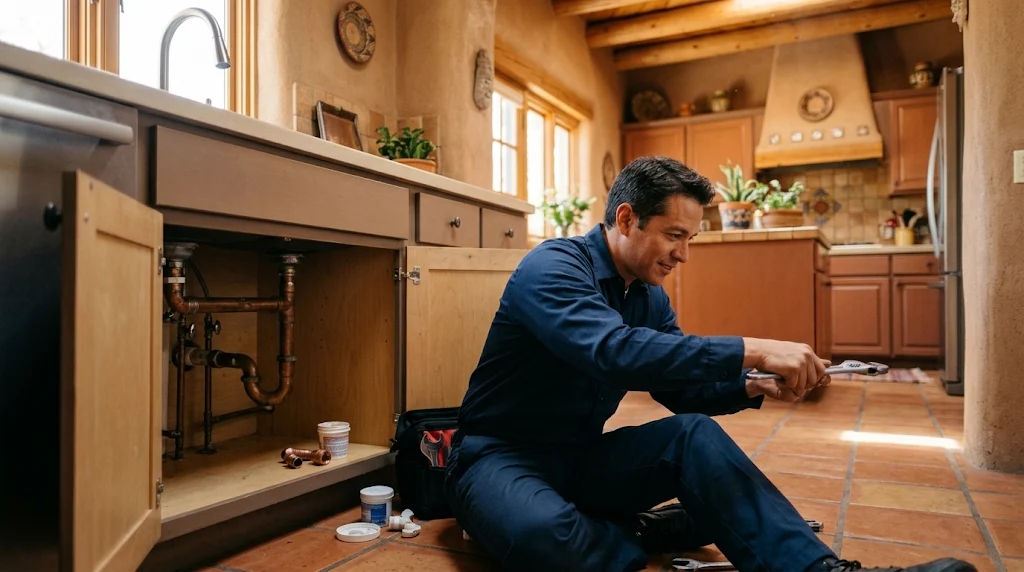
A toilet that constantly runs may have a damaged flapper, a faulty fill valve, an improperly adjusted float, or a problem with the flush mechanism. These components work together to control how the toilet fills and empties. When one of them stops functioning properly, the toilet may continue refilling even when it should be completely silent.
A Plumber in Albuquerque NM can diagnose these problems, repair faulty toilet components, and restore normal flushing performance. Professional plumbers regularly handle running toilets in residential properties, apartments, rental homes, and commercial buildings. Knowing what services they provide, how repairs work, and when to schedule an appointment can help homeowners make informed decisions.
Why Toilets Continue Running
A toilet is designed to use a controlled amount of water during every flush. When you press the handle, water leaves the tank and enters the bowl. Afterward, the tank refills automatically, and the toilet stops filling once the appropriate water level is reached.
When this process does not work correctly, water may continue moving through the system.
Common Causes of Running Toilets
Several internal components can cause a toilet to run continuously.
-
Damaged flapper: The rubber flapper at the bottom of the tank may become worn, warped, or deteriorated, preventing it from sealing properly.
-
Faulty fill valve: A fill valve that does not shut off correctly may allow water to continue entering the tank.
-
Incorrect float adjustment: If the float is positioned too high, the water level may rise above the intended point and flow into the overflow tube.
-
Loose flush chain: A chain that is too tight may prevent the flapper from closing completely.
-
Mineral buildup: Hard-water deposits may affect the movement or sealing of internal toilet parts.
-
Worn flush mechanism: Older flushing systems may develop problems that prevent the tank from holding water properly.
Identifying the correct cause is important because replacing the wrong component may not solve the problem.
Why Running Toilets Should Not Be Ignored
A toilet that runs constantly may waste water even when nobody is using the bathroom. The water can quietly move from the tank into the bowl and down the drain throughout the day.
This waste may increase monthly water bills, particularly when the problem continues for several weeks. A running toilet can also create unnecessary noise, interrupt household comfort, and indicate that other toilet components need attention.
Addressing the problem promptly is usually easier and less expensive than allowing it to continue until additional parts become damaged.
Does a Plumber in Albuquerque NM Repair Running Toilets?
Yes, professional plumbers repair running toilets as part of their everyday plumbing services. They can inspect the toilet, identify the cause of continuous water flow, and replace or adjust the components responsible for the problem.
A Plumber in Albuquerque NM can work with different toilet designs, including traditional gravity-fed toilets, modern low-flow models, dual-flush systems, and toilets installed in older homes. The repair process depends on the toilet's design, age, condition, and the nature of the malfunction.
Rather than replacing the entire toilet immediately, plumbers often repair the internal mechanism when the porcelain body and other major components remain in good condition.
Services Provided for Running Toilets
Professional toilet repair services may include:
-
Replacing worn flappers and flush seals
-
Repairing or replacing fill valves
-
Adjusting float height and water levels
-
Fixing flush handles and lift chains
-
Repairing faulty flush mechanisms
-
Removing mineral deposits affecting toilet operation
-
Inspecting overflow tubes
-
Testing toilet performance after repairs
These services help restore the toilet's normal operation while reducing unnecessary water use.
Repairing Different Types of Toilets
Not every toilet uses the same internal components. Older models may have simple mechanical arrangements, while newer toilets can feature specialized flushing systems or water-saving technology.
Plumbers understand how different designs operate and can select compatible replacement parts. This is especially useful when a toilet has an unusual tank configuration, an older flush mechanism, or components that are no longer widely available.
How a Professional Diagnoses a Running Toilet
Before repairing a toilet, a plumber usually performs a visual inspection and several simple tests. These steps help determine whether the problem is related to water entering the tank or water escaping from it.
Inspecting the Toilet Tank
The plumber may remove the tank lid and examine the internal components. They look for visible wear, damaged rubber seals, loose connections, unusual water levels, and parts that appear stuck or misaligned.
The inspection may also reveal whether the water is flowing into the overflow tube or leaking past the flapper into the bowl.
Checking the Flapper Seal
The flapper is one of the most common reasons toilets continue running.
When the toilet is flushed, the flapper lifts and allows water to leave the tank. Afterward, it should settle back into place and create a watertight seal.
If the flapper is damaged or does not sit properly, water slowly escapes into the bowl. The fill valve then activates repeatedly to replace the lost water.
A plumber checks the flapper's condition, alignment, and compatibility with the toilet before deciding whether it needs adjustment or replacement.
Testing the Fill Valve
The fill valve controls the water entering the tank after a flush. It should stop filling once the tank reaches its proper water level.
A defective fill valve may produce a hissing sound, refill continuously, or fail to respond correctly to float movement. The plumber checks its operation and determines whether cleaning, adjustment, or replacement is necessary.
Examining the Overflow Tube
The overflow tube helps prevent the tank from filling beyond its intended water level.
If the water level is too high, excess water may flow into the tube and continue down into the bowl. This can make the toilet appear to leak even though the tank itself is not damaged.
A plumber checks the water level and makes sure the fill mechanism is operating correctly.
Common Running Toilet Repairs
The repair depends on what the plumber discovers during the inspection. Some problems can be resolved with a simple adjustment, while others require replacement parts.
Flapper Replacement
Replacing a worn flapper is one of the most common running toilet repairs. Flappers are exposed to water and repeated movement, so their material may deteriorate over time.
A plumber removes the old flapper, checks the attachment points, and installs a compatible replacement. They then test the toilet to confirm that the flapper closes properly and that the tank holds water between flushes.
Fill Valve Replacement
If the fill valve no longer controls water flow correctly, replacing it may be the most effective solution.
The plumber shuts off the water supply, removes the defective valve, and installs a suitable replacement. After reconnecting the water, they adjust the water level and check whether the valve stops filling as expected.
Float Adjustment
Some running toilet problems are caused by incorrect float positioning rather than damaged parts.
The float tells the fill valve when the tank has reached the correct water level. If it is set too high or too low, the toilet may refill inefficiently or allow water to enter the overflow tube.
A plumber can adjust the float to restore the proper level without replacing the entire mechanism.
Flush Handle and Chain Repairs
A flush handle connected to a chain or lift mechanism may become loose, tangled, or incorrectly adjusted.
If the chain is too short, it may keep the flapper slightly open. If it is too long, it may interfere with proper flushing.
A plumber can correct the connection, adjust the chain length, and ensure the handle operates smoothly.
Why Albuquerque Homes May Experience Toilet Problems
Local water conditions, household plumbing age, and the frequency of toilet use can all influence how well toilet components perform over time.
Mineral Deposits and Hard Water
Minerals present in water may accumulate inside plumbing fixtures and toilet components. Over time, these deposits can interfere with moving parts, affect seals, or contribute to reduced performance.
In Albuquerque, homeowners may encounter mineral-related plumbing concerns depending on their water supply and household conditions. A plumber can inspect the toilet for deposits and determine whether cleaning or replacement of affected components is appropriate.
Aging Plumbing Fixtures
Older toilets may have worn internal components that no longer function reliably. Rubber seals can deteriorate, plastic parts can become brittle, and mechanical components may lose their proper alignment.
A Plumber in Albuquerque NM can determine whether repairing an older toilet is practical or whether replacing the fixture would provide better long-term value.
Household Water Usage
Toilets in busy households experience frequent flushing and repeated tank refilling. This regular use can gradually wear down internal parts.
Guest bathrooms, rental properties, and commercial restrooms may also experience running toilet problems because their fixtures are used by many people throughout the day.
When Should You Call a Plumber?
Some toilet issues may be simple adjustments, but others require professional inspection. Knowing when to seek help can prevent unnecessary water waste and reduce the chance of damaging plumbing components.
The Toilet Runs Constantly
If the toilet continues running after flushing or never stops filling, professional attention is recommended. Continuous water flow may indicate a faulty fill valve, flapper, or another internal issue.
Even if the toilet still flushes normally, the ongoing water movement should not be ignored.
The Toilet Frequently Refills by Itself
A toilet that randomly refills without being flushed may have a slow leak from the tank into the bowl.
The water level gradually drops, causing the fill valve to activate and restore it. This repeated cycle is sometimes called ghost flushing.
A plumber can identify the source of the water loss and repair the faulty seal or component.
You Hear Hissing or Unusual Sounds
Persistent hissing, trickling, or bubbling sounds may indicate that water is moving through the toilet when it should not be.
These noises can help identify the problem, but they do not always reveal the exact cause. A professional inspection can determine whether the sound comes from the fill valve, flapper, water supply connection, or another component.
The Toilet Is Old or Frequently Needs Repairs
If the same toilet requires repairs repeatedly, replacing individual components may no longer be the most practical approach.
A plumber can assess its overall condition and explain whether another repair is reasonable or whether a new toilet could provide improved reliability and water efficiency.
Benefits of Hiring a Professional Plumber
Hiring an experienced plumber offers several advantages when dealing with running toilets.
Accurate Diagnosis
A professional can identify the cause rather than relying on guesswork. This reduces the risk of replacing unnecessary parts or overlooking another issue.
Reliable Repairs
Correctly installed components are more likely to work as intended. A plumber can make sure the flapper seals properly, the fill valve shuts off, and the water level remains within the appropriate range.
Reduced Water Waste
Repairing a running toilet helps prevent unnecessary water consumption. This can support more efficient household water use and potentially lower water-related expenses.
Protection Against Additional Problems
An experienced plumber may notice other issues during the inspection, such as loose connections, damaged supply lines, unstable toilet mounting, or signs of leakage around the fixture.
Addressing these concerns early may prevent more complicated repairs later.
Convenience and Peace of Mind
Toilet repairs can be frustrating when the cause is unclear. Professional service allows homeowners to have the problem diagnosed and corrected without repeatedly adjusting parts that may not be responsible.
Can You Fix a Running Toilet Yourself?
Some homeowners may be comfortable performing basic toilet maintenance, such as checking whether the flapper is visibly misaligned or making sure the flush handle moves freely.
However, replacing internal components can become more complicated when parts are incompatible, connections are difficult to access, or the toilet has an unfamiliar design.
If a basic adjustment does not stop the running water, it is better to avoid repeatedly changing components without understanding the cause.
Professional repair may be particularly useful when the toilet is old, the water supply connection is difficult to operate, or the problem involves several parts working together.
What to Expect During a Toilet Repair Appointment
Knowing what happens during a plumbing appointment can help homeowners feel more prepared.
Initial Assessment
The plumber asks about the problem, including when the toilet started running, whether it stops occasionally, and whether any unusual sounds have developed.
They may also ask whether the toilet has been repaired recently or whether certain components have already been replaced.
Inspection and Repair Plan
After inspecting the toilet, the plumber explains the likely cause and recommends a repair.
Depending on the problem, this may involve replacing a flapper, installing a new fill valve, adjusting the float, or repairing the flush mechanism.
Repair and Testing
Once the repair is completed, the plumber tests the toilet several times. They check the flush, tank refill, water level, flapper closure, and whether the toilet stops running afterward.
Testing is an important part of the process because it confirms that the repair has corrected the original issue.
Recommendations for Maintenance
The plumber may also provide recommendations for maintaining the toilet, checking for future leaks, and recognizing signs of component wear.
These suggestions can help homeowners identify plumbing problems before they become more disruptive.
How to Prevent Running Toilets in the Future
Although toilet components naturally wear out, regular attention can help reduce the likelihood of unexpected problems.
Avoid Excessive Force on Flush Handles
Flush handles are designed to operate with relatively little pressure. Pulling or pushing them too hard may damage the handle mechanism or affect the connected chain.
Use the handle gently and avoid holding it unnecessarily.
Check for Unusual Sounds
Pay attention to hissing, trickling, or frequent refilling. These sounds may indicate that water is escaping from the tank or that the fill valve is not shutting off correctly.
Keep the Tank Components Clean
Dust, mineral deposits, and other buildup can affect the movement of internal components. Periodic inspection can help identify problems before they interfere with normal flushing.
Address Problems Early
If a toilet begins running occasionally, do not wait until it becomes a constant problem. Early repairs may be simpler and help prevent unnecessary water waste.
Schedule Plumbing Inspections When Needed
Professional inspections can be useful when toilets are aging, repeatedly malfunctioning, or showing signs of water leakage. A plumber can evaluate the fixture and recommend appropriate maintenance.
Conclusion
Running toilets are common plumbing problems, but they should not be ignored. A toilet that continues filling or quietly loses water into the bowl may waste water, increase household expenses, and indicate that internal components are worn or malfunctioning.
Yes, a Plumber in Albuquerque NM can repair running toilets by inspecting the tank, identifying defective components, and performing the necessary adjustments or replacements. Common repairs include replacing flappers, repairing fill valves, adjusting floats, correcting flush chains, and addressing mineral buildup.
The most effective repair begins with an accurate diagnosis. Replacing parts without understanding the cause may not resolve the problem, while professional inspection can help restore the toilet's proper operation and prevent recurring issues.
Homeowners should pay attention to unusual toilet sounds, repeated refilling, and water movement when the toilet has not been flushed. Addressing these signs early can make repairs more manageable and help maintain an efficient plumbing system.
With timely maintenance, appropriate repairs, and professional assistance when needed, homeowners can keep their toilets working reliably, reduce unnecessary water consumption, and maintain a comfortable and functional bathroom.