Businesses operate in an environment where legal responsibilities, commercial agreements, financial decisions, and government regulations all play an important role. Whether a company is a small startup, an established local business, or an international corporation, understanding legal requirements is essential for long-term success. In Indonesia, commercial activities involve several laws and regulations that businesses must follow to operate responsibly and protect their interests.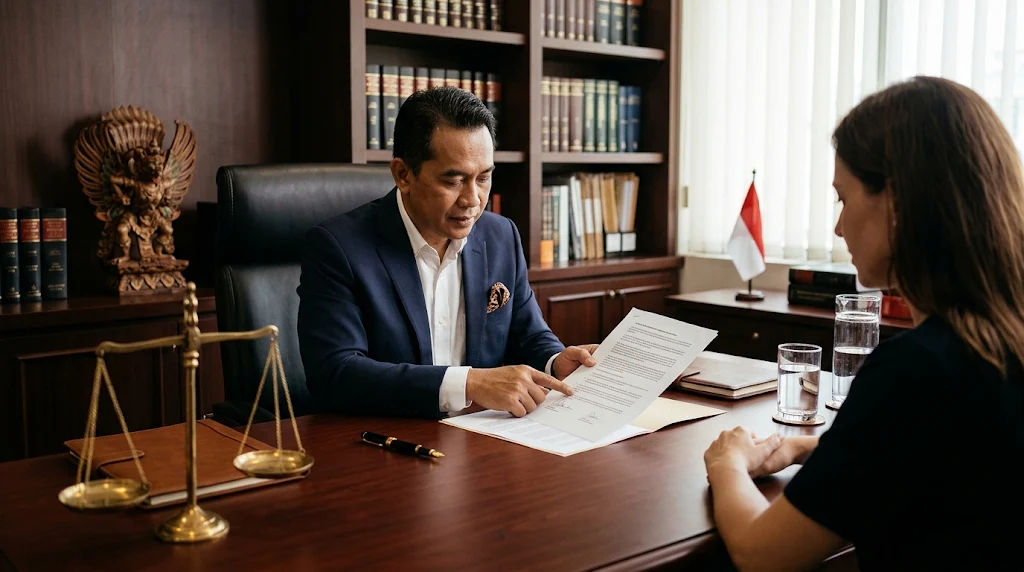
Companies often seek professional legal assistance when establishing operations, negotiating contracts, managing employees, or entering new markets. legal services in Indonesia help businesses understand their legal responsibilities, manage commercial risks, and make informed decisions. These services are particularly valuable when companies face unfamiliar regulations or complicated business transactions.
Commercial legal services cover a wide range of professional activities. They can include business registration, contract preparation, corporate restructuring, dispute resolution, regulatory compliance, and investment advice. Understanding what these services are used for helps business owners recognize when professional legal guidance may be necessary.
Commercial Legal Services in Indonesia
legal services in Indonesia services refer to professional legal assistance provided to businesses, investors, entrepreneurs, and organizations involved in commercial activities.
These services help companies understand applicable laws, prepare important documents, manage business relationships, and resolve legal disagreements.
Indonesia has a developing and diverse business environment. Companies operating in sectors such as manufacturing, construction, technology, hospitality, retail, and financial services may encounter different legal requirements.
Commercial lawyers help businesses understand these requirements and address legal matters before they become serious problems.
What Makes Commercial Legal Services Important?
Running a business involves more than selling products or providing services. Companies must enter agreements, manage employees, protect intellectual property, pay taxes, and follow industry regulations.
A misunderstanding of legal responsibilities can create financial losses, operational difficulties, and disputes.
Professional legal support helps businesses approach these responsibilities carefully. Lawyers can explain legal obligations, review commercial arrangements, and identify potential risks.
Their involvement also helps business owners make decisions based on accurate legal information rather than assumptions.
Who Uses Commercial Legal Services?
Different types of organizations benefit from commercial legal assistance.
These include:
-
Small and medium-sized businesses.
-
International companies entering Indonesia.
-
Local entrepreneurs and startups.
-
Manufacturing and construction companies.
-
Real estate developers.
-
Retail and hospitality businesses.
-
Technology companies.
-
Investors and business partners.
Each organization may require different legal support depending on its activities, ownership structure, and commercial objectives.
1. Establishing and Registering a Business
One of the most common uses of commercial legal services is helping entrepreneurs establish businesses.
Starting a company in Indonesia involves choosing an appropriate legal structure, preparing documentation, completing registrations, and understanding relevant licensing requirements.
Legal professionals can explain the available business structures and help entrepreneurs select an arrangement that suits their objectives.
Choosing the Right Business Structure
Business owners need to consider which legal structure is appropriate for their operations.
Common structures include:
-
Perseroan Terbatas (PT): A limited liability company structure commonly used for commercial operations.
-
PT PMA: A foreign investment company structure used by eligible foreign investors.
-
Commanditaire Vennootschap (CV): A partnership structure involving active and limited partners.
-
Individual businesses: Suitable for certain small-scale commercial activities.
The correct structure depends on ownership, investment plans, business activities, and applicable legal requirements.
Preparing Registration Documents
Establishing a company generally requires several important documents.
These may include incorporation documents, company information, ownership details, and administrative registrations.
Depending on the business activity, companies may also need a Business Identification Number (Nomor Induk Berusaha or NIB) and additional business licences through Indonesia's Online Single Submission (OSS) system.
Lawyers can assist with preparing documents and explaining the steps involved.
2. Drafting and Reviewing Commercial Contracts
Contracts are essential to almost every business relationship.
Companies use agreements when purchasing materials, providing services, hiring suppliers, distributing products, renting commercial premises, or working with business partners.
Commercial lawyers help ensure that these agreements clearly explain the responsibilities and expectations of each party.
Preparing Legally Clear Agreements
A properly drafted contract should explain important details, including:
-
Names and responsibilities of the parties.
-
Products or services being provided.
-
Payment terms and deadlines.
-
Delivery and performance requirements.
-
Confidentiality obligations.
-
Contract duration.
-
Termination conditions.
-
Dispute resolution procedures.
Clear wording helps prevent misunderstandings between businesses.
For example, a manufacturing company may enter an agreement with a supplier responsible for delivering raw materials. A commercial lawyer can help define delivery schedules, product standards, payment arrangements, and responsibilities if agreed requirements are not fulfilled.
Reviewing Existing Contracts
Businesses do not always create agreements themselves. They frequently receive contracts prepared by customers, suppliers, landlords, or commercial partners.
A lawyer can review these documents to identify unclear provisions, unreasonable obligations, and potential financial risks.
This review is especially useful before signing major commercial agreements.
3. Supporting Foreign Investment
Indonesia attracts investment from international businesses interested in its consumer market, natural resources, manufacturing opportunities, infrastructure, and technology sector.
However, foreign investment can involve additional legal considerations.
Companies must understand applicable investment regulations, ownership requirements, business classifications, and licensing obligations.
Understanding Foreign Investment Requirements
Commercial lawyers help foreign investors understand how to establish and operate a business in Indonesia.
They can explain matters such as:
-
Foreign investment company registration.
-
Permitted business activities.
-
Applicable ownership restrictions.
-
Investment documentation.
-
Licensing requirements.
-
Corporate reporting responsibilities.
-
Relevant sector-specific regulations.
Requirements can vary depending on the business sector and the applicable regulations.
Structuring International Business Arrangements
Foreign investors sometimes work with Indonesian business partners.
These relationships may involve joint ventures, shareholder agreements, investment contracts, or strategic partnerships.
Legal professionals help prepare arrangements that explain ownership rights, management responsibilities, financial contributions, and decision-making procedures.
Clear agreements can reduce disagreements and provide greater certainty for everyone involved.
4. Managing Corporate Governance
Corporate governance refers to the systems and procedures used to manage and supervise a company.
Good governance supports accountability, transparency, and responsible decision-making.
In Indonesia, companies must observe relevant corporate laws and fulfil their administrative responsibilities.
Maintaining Corporate Records
Businesses need to maintain accurate company records.
These can include shareholder information, directors' decisions, company resolutions, meeting minutes, and important corporate documents.
Legal professionals can help companies prepare and maintain documentation in accordance with applicable requirements.
Advising Directors and Shareholders
Directors and shareholders have different responsibilities and legal rights.
Commercial lawyers explain these responsibilities and help organizations address questions involving management authority, shareholder interests, corporate decisions, and internal disagreements.
They may also assist with shareholder agreements and changes in company ownership.
Effective corporate governance makes business operations more organized and reduces the likelihood of internal conflicts.
5. Ensuring Regulatory Compliance
Regulatory compliance is another major reason businesses seek professional legal support.
Companies must follow laws that apply to their industry, commercial activities, employment practices, and financial operations.
Indonesia has regulatory requirements covering areas such as investment, consumer protection, taxation, employment, environmental responsibilities, and business licensing.
Understanding Industry-Specific Regulations
Different industries operate under different regulatory frameworks.
For example, construction companies may need to comply with construction licensing and safety requirements.
Food businesses may face requirements involving product safety, distribution, and relevant certifications.
Technology companies may need to consider electronic systems, personal data protection, and digital transaction regulations.
Commercial lawyers help businesses identify the rules relevant to their activities.
Developing Compliance Procedures
Compliance should be part of everyday business management.
Legal professionals can help companies review internal policies, prepare documentation, and develop procedures for meeting their obligations.
They may also identify areas where existing practices require improvement.
Regular compliance reviews help businesses respond to regulatory changes and reduce unnecessary legal exposure.
6. Handling Employment and Labour Matters
Employees play an important role in business performance.
However, employment relationships also involve legal responsibilities for employers.
Indonesian employment regulations cover matters such as employment agreements, working conditions, wages, leave, termination, and employee protections.
Preparing Employment Agreements
Commercial lawyers can help businesses prepare employment contracts that explain important terms and conditions.
These agreements may address:
-
Job responsibilities.
-
Working arrangements.
-
Compensation.
-
Employee benefits.
-
Confidentiality.
-
Working hours.
-
Leave entitlements.
-
Termination procedures.
Clear employment documentation helps both employers and employees understand their respective responsibilities.
Resolving Workplace Disputes
Employment disagreements can arise over wages, working conditions, termination, or contractual obligations.
Legal professionals can advise businesses about applicable employment rules and available dispute resolution procedures.
Indonesian employment disputes may involve bipartite negotiations, mediation or other procedures, and the Industrial Relations Court where applicable.
Early legal guidance can help employers approach workplace disagreements more carefully and fairly.
7. Protecting Intellectual Property
Intellectual property is an important commercial asset.
Businesses may invest considerable resources in developing their brands, products, software, designs, inventions, and creative materials.
Without appropriate protection, unauthorized use or imitation can damage a company's reputation and commercial position.
Trademark Protection
A trademark distinguishes a company's products or services from those offered by competitors.
Commercial lawyers can assist businesses with trademark searches, registration applications, and advice about protecting their brand identity.
In Indonesia, trademark matters are handled through the Directorate General of Intellectual Property.
Businesses should consider registration before expanding their brands into new markets.
Copyrights and Patents
Copyright can protect eligible creative works, including written materials, software, photographs, and other original content.
Patents may protect qualifying inventions under applicable legal requirements.
Legal professionals help companies understand which intellectual property protections may apply and how to address potential infringement.
8. Resolving Commercial Disputes
Commercial disagreements can affect business relationships, finances, and daily operations.
Disputes may involve unpaid invoices, contractual breaches, delivery failures, partnership disagreements, or disagreements about commercial responsibilities.
Legal services help businesses understand their options and choose an appropriate resolution method.
Negotiation and Mediation
Not every commercial disagreement needs to become a court case.
Negotiation allows parties to communicate directly and explore possible solutions.
Mediation involves an independent third party who helps the parties discuss their disagreement and work toward an acceptable outcome.
These approaches may preserve commercial relationships and reduce the time and expense associated with formal proceedings.
Litigation and Arbitration
When informal solutions are unsuccessful, businesses may consider formal dispute resolution.
Litigation involves resolving a dispute through the appropriate court system.
Arbitration is another option when the parties have agreed to an enforceable arbitration arrangement and the dispute is suitable for arbitration.
Commercial lawyers can explain the advantages, limitations, procedures, and potential consequences of different approaches.
9. Supporting Mergers and Acquisitions
Mergers and acquisitions involve significant business decisions.
A company may purchase another business, combine operations, acquire shares, or sell part of its commercial activities.
These transactions require careful legal planning.
Conducting Legal Due Diligence
Before purchasing a company, investors need to understand what they are acquiring.
Legal due diligence involves examining important company information, including:
-
Corporate registration documents.
-
Existing commercial contracts.
-
Ownership records.
-
Employment obligations.
-
Intellectual property rights.
-
Outstanding disputes.
-
Regulatory compliance.
-
Material liabilities.
This process helps buyers identify potential problems before completing a transaction.
Preparing Transaction Agreements
Mergers and acquisitions often require detailed agreements.
Lawyers help prepare and review transaction documents, explain responsibilities, and address conditions that must be fulfilled before completion.
Depending on the transaction, regulatory notifications or approvals may also be necessary.
Careful preparation helps reduce uncertainty during major business changes.
10. Advising on Commercial Property and Real Estate
Property transactions are another area where commercial legal services are useful.
Companies may purchase land, lease office space, develop commercial buildings, or enter property investment arrangements.
These activities require attention to ownership rights, land-use requirements, contracts, and relevant permits.
Reviewing Property Documents
Before completing a property transaction, businesses should understand the legal status of the property.
Lawyers can help review relevant land certificates, ownership documentation, lease agreements, and transaction documents.
They can also help identify potential restrictions or disputes that may affect the proposed transaction.
Preparing Lease Agreements
Commercial property leases should clearly explain the responsibilities of landlords and tenants.
Important provisions may include rental payments, maintenance obligations, permitted property use, lease duration, renewal arrangements, and termination conditions.
Professional review can help prevent misunderstandings during the rental period.
11. Advising on Tax and Financial Legal Matters
Tax responsibilities influence almost every commercial organization.
Businesses operating in Indonesia may have obligations involving corporate income tax, value-added tax, withholding taxes, and other applicable tax requirements.
Commercial legal professionals can help businesses understand the legal aspects of their tax responsibilities.
Supporting Tax Compliance
Legal advisers may assist companies in reviewing contractual tax provisions, understanding reporting responsibilities, and addressing legal questions involving business transactions.
They may also coordinate with qualified tax professionals when specialist accounting or tax advice is needed.
Managing Financial Agreements
Businesses frequently enter financing arrangements with banks, investors, and other financial institutions.
These arrangements may involve loans, guarantees, security documents, and repayment obligations.
Lawyers can review financial agreements and explain the legal responsibilities associated with borrowing or providing security.
12. Helping Businesses Manage Risk
Commercial legal services are not only useful when problems occur.
They can also help companies identify risks before entering important transactions or making significant decisions.
Risk management involves understanding potential legal problems and developing practical ways to reduce their impact.
Identifying Potential Business Risks
Common commercial risks include:
-
Unclear contractual obligations.
-
Incomplete licensing.
-
Intellectual property disputes.
-
Employment disagreements.
-
Unpaid commercial debts.
-
Regulatory violations.
-
Unclear ownership arrangements.
A legal review can help identify these concerns and explain possible solutions.
Creating Long-Term Legal Strategies
Companies benefit from having clear procedures for handling contracts, compliance, corporate decisions, and commercial relationships.
Legal advisers can help management teams establish policies that support responsible operations.
This approach can improve business planning and reduce the likelihood of avoidable disputes.
How to Choose the Right Commercial Legal Services in Indonesia
Choosing a suitable legal adviser is an important decision.
Not every law firm has the same experience, resources, or industry knowledge.
Businesses should consider several factors before selecting professional legal assistance.
Check Relevant Experience
Look for lawyers who understand the type of commercial matter involved.
For example, a company planning a foreign investment project may need a lawyer experienced in investment regulations and corporate establishment.
A business dealing with intellectual property concerns should consider a professional with relevant experience in that area.
Understand the Scope of Services
Before appointing a legal adviser, clarify what services are included.
Ask about document preparation, legal reviews, negotiations, regulatory assistance, and dispute resolution.
Understanding the scope of work helps businesses avoid confusion about responsibilities.
Discuss Fees and Communication
Legal fees can vary depending on the complexity of the matter, professional experience, and time required.
Businesses should request a clear explanation of fees and payment arrangements.
Communication is equally important. A reliable legal adviser should explain complicated legal issues in understandable language and provide appropriate updates.
Consider Local Knowledge
Indonesia has its own legal framework, administrative procedures, and business environment.
Legal professionals familiar with local requirements can help businesses understand practical considerations that may affect their operations.
This knowledge is particularly valuable for foreign companies entering the Indonesian market.
When Should a Business Hire a Commercial Lawyer?
Businesses should not wait until a serious disagreement occurs before seeking legal assistance.
Professional advice may be useful at several important stages.
For example, companies should consider legal support when:
-
Establishing a new business.
-
Entering a partnership.
-
Hiring employees.
-
Signing important contracts.
-
Purchasing another company.
-
Investing in commercial property.
-
Registering intellectual property.
-
Expanding into a regulated industry.
-
Handling a commercial disagreement.
-
Reviewing compliance procedures.
Getting advice at the appropriate time can help management understand its options and make better-informed decisions.
Benefits of Using Professional Legal Services in Indonesia
Professional legal assistance offers several advantages for businesses operating in the Indonesian market.
Better Understanding of Legal Responsibilities
Businesses can receive explanations about relevant laws, regulations, and contractual obligations.
This makes it easier to plan commercial activities responsibly.
Reduced Risk of Disputes
Clear contracts, appropriate documentation, and effective communication can reduce misunderstandings between business partners, employees, suppliers, and customers.
Improved Business Decisions
Legal professionals can explain the possible consequences of commercial decisions before companies commit significant resources.
Greater Confidence in Commercial Transactions
Professional document reviews and legal guidance can make major transactions more organized.
This is particularly useful for companies dealing with unfamiliar business partners or complex investment arrangements.
Support for Business Expansion
Companies entering new industries or expanding into Indonesia may encounter unfamiliar regulatory requirements.
Legal advisers can help them understand these requirements and prepare for the next stages of development.
Conclusion
Commercial legal services in Indonesia play an important role in helping businesses establish, operate, expand, and protect their commercial interests. From company registration and contract preparation to investment support, employment matters, intellectual property protection, and dispute resolution, these services address many of the legal responsibilities involved in running an organization.
Businesses use professional legal assistance for both everyday activities and major commercial decisions. A carefully reviewed contract can clarify responsibilities between business partners, while appropriate corporate documentation can support effective management. Similarly, regulatory guidance can help companies understand their obligations and avoid preventable compliance problems.
Another important benefit is the ability to identify potential risks before they become serious issues. Whether a company is entering a new market, purchasing another business, hiring employees, or developing commercial property, legal guidance can help management understand its responsibilities and available options.
Choosing the right legal adviser requires attention to professional experience, industry knowledge, communication, and service costs. Businesses should select professionals who understand their specific requirements and can explain legal matters clearly.
Ultimately, legal services in Indonesia are valuable because they support responsible business operations and provide guidance when commercial challenges arise. By using appropriate legal assistance, organizations can protect their interests, strengthen business relationships, improve decision-making, and build a more reliable foundation for sustainable growth.