Makeup is more than applying foundation, lipstick, and eyeshadow. It is an artistic skill that requires creativity, technical knowledge, practice, and an understanding of different skin types and facial features. Professional makeup artists learn how to create beautiful looks for weddings, parties, fashion events, photoshoots, and everyday occasions. For individuals who want to turn their interest in beauty into a career, professional training can be an excellent starting point. 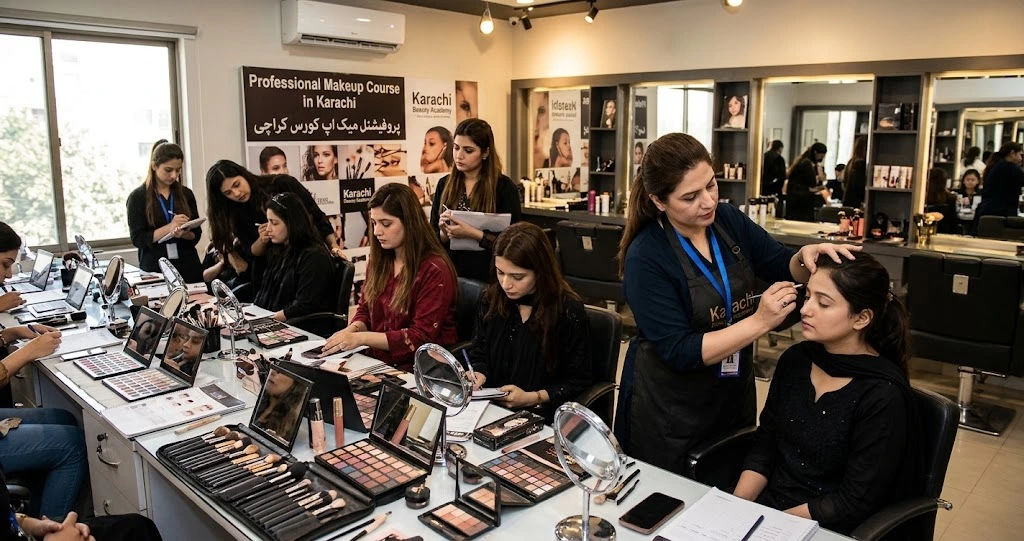 A well-structured makeup training program introduces students to essential beauty techniques while helping them develop confidence and practical experience. It also teaches them how to work with different clients, select suitable products, and create makeup looks for various occasions. Enrolling in a professional makeup course in Karachi can help beginners and aspiring beauty professionals understand the complete makeup process, from preparing the skin to applying the finishing touches.
But what exactly do students learn during professional makeup training? The answer includes several important topics, such as skin preparation, foundation application, contouring, eye makeup, color theory, bridal makeup, hygiene, and client communication. Understanding these subjects can help students decide whether professional makeup education is the right choice for their career goals.
The Basics of Professional Makeup
Before learning advanced makeup techniques, students need to understand the basic principles of makeup application. These fundamentals help them create balanced, attractive, and long-lasting looks.
Introduction to Makeup Products and Tools
One of the first lessons usually involves becoming familiar with different makeup products and tools.
Students learn about:
-
Foundations and concealers.
-
Face powders and setting sprays.
-
Primers and moisturizers.
-
Blushes, bronzers, and highlighters.
-
Eyeshadows and eyeliners.
-
Lipsticks, lip liners, and glosses.
-
Makeup brushes and beauty sponges.
Instructors explain the purpose of each product and demonstrate how to use it correctly. Students also learn that different products are designed for different skin types, coverage levels, and makeup styles.
Understanding makeup tools is equally important. A foundation brush, blending brush, powder brush, and angled brush each have a specific purpose. Using the correct tool can make makeup application smoother and more professional.
Different Skin Types
Every client has different skin characteristics. Therefore, makeup artists must understand how skin type affects product selection and application.
Most training programs introduce four common skin types:
-
Oily skin: Often produces excess oil and may require lightweight, oil-controlling products.
-
Dry skin: May benefit from moisturizing preparation and hydrating foundations.
-
Combination skin: Has both oily and dry areas.
-
Normal skin: Generally has a balanced level of moisture and oil.
Students learn how to recognize these differences and select suitable products.
They also understand why skin preparation is important before applying makeup. Proper preparation can improve the appearance of foundation and help prevent uneven application.
Skin Preparation and Foundation Application
Skin preparation is one of the most important parts of professional makeup. Even expensive products may not produce good results if the skin is not prepared properly.
Cleansing, Moisturizing, and Priming
Students learn how to prepare the face before starting makeup application.
The process generally includes:
-
Cleansing the skin to remove dirt, oil, and impurities.
-
Applying a suitable moisturizer.
-
Using primer according to the client's skin type and makeup requirements.
-
Allowing skincare products to settle before applying foundation.
Students also learn that excessive product application can affect the final appearance. Using the correct amount of each product helps create a smooth base.
Choosing the Right Foundation Shade
Selecting the correct foundation shade is another essential skill.
Students learn about skin undertones, including:
-
Warm undertones.
-
Cool undertones.
-
Neutral undertones.
They practice matching foundation with the client's natural complexion instead of choosing a shade based only on the face.
A professional artist also considers the neck and visible skin areas to avoid noticeable color differences.
Foundation Blending Techniques
Foundation application requires patience and proper blending skills.
Students practice using brushes, sponges, and other application tools to achieve different levels of coverage.
They learn how to create:
-
Natural everyday bases.
-
Medium-coverage makeup.
-
Full-coverage party looks.
-
Smooth bases for bridal makeup.
-
Camera-friendly makeup finishes.
A major focus is avoiding visible lines, uneven patches, and excessive product buildup.
Concealing, Contouring, and Highlighting
Professional makeup training also covers facial enhancement techniques. These methods help artists create dimension and balance according to individual facial features.
How to Apply Concealer
Concealer is commonly used to cover dark circles, blemishes, redness, and other areas requiring additional coverage.
Students learn how to choose suitable concealer shades and textures.
They also practice applying concealer under the eyes, around the nose, and on selected areas of the face.
The goal is to create a natural appearance without making the skin look excessively heavy.
Learning Contouring Techniques
Contouring uses darker shades to create the appearance of shadows and enhance facial structure.
Students learn how to apply contour products around areas such as:
-
The sides of the nose.
-
The cheekbones.
-
The jawline.
-
The forehead.
They also study how facial shapes influence contour placement.
For example, contouring techniques for a round face may differ from those used on a long or square face.
Highlighting and Blush Application
Highlighting brings attention to selected areas of the face, while blush adds freshness and color.
Students practice applying highlighter to the cheekbones, nose bridge, and other suitable areas.
They also learn how to select blush colors that complement the client's complexion and overall makeup look.
Blending is particularly important because harsh lines can make makeup appear unnatural.
Professional Eye Makeup Techniques
Eye makeup is an important part of many beauty looks. It can transform a simple appearance into something suitable for parties, weddings, and formal occasions.
A professional training program generally introduces students to different eye shapes, products, and application methods.
Eyeshadow Application and Blending
Students learn how to work with different eyeshadow textures, including matte, shimmer, and metallic formulas.
They practice several techniques, such as:
-
Basic eyeshadow blending.
-
Smokey eyes.
-
Cut crease makeup.
-
Soft glam eyes.
-
Glitter application.
-
Natural eye makeup.
They also learn how to combine colors without creating harsh transitions.
Understanding light and dark shades helps students create depth and dimension.
Eyeliner and Mascara Techniques
Eyeliner can change the appearance of the eyes depending on its shape and thickness.
Students practice applying pencil, gel, and liquid eyeliner.
They learn different styles, including winged eyeliner and simple lash-line definition.
Mascara application is also covered. Students learn how to apply it evenly while avoiding clumps.
Eyebrow Shaping and Definition
Eyebrows help frame the face and complete the overall makeup look.
Students learn how to fill gaps, define eyebrow shapes, and select suitable eyebrow products.
They also practice creating natural-looking brows instead of applying excessive product.
Learning Different Makeup Styles
A major advantage of professional training is the opportunity to explore different makeup styles.
Every client has different preferences, and professional artists must know how to adjust their techniques accordingly.
Natural and Everyday Makeup
Natural makeup focuses on enhancing existing facial features without creating a heavily made-up appearance.
Students learn how to use lightweight foundation, subtle eyeshadow, natural blush, and suitable lip colors.
This style is useful for office events, casual gatherings, daytime functions, and personal makeup services.
Party and Evening Makeup
Party makeup often includes stronger eye definition, more noticeable highlighting, and richer lip colors.
Students practice creating glamorous looks while maintaining balance between different facial features.
They also learn how lighting and photography can influence product selection.
Soft Glam Makeup
Soft glam is popular because it combines polished skin with softly defined eyes and lips.
Students learn how to create blended eyeshadow, smooth foundation, subtle contouring, and attractive finishing details.
This style is suitable for formal gatherings, engagement functions, and other special occasions.
Bridal Makeup Training
Bridal makeup is an important subject in many advanced beauty programs. Weddings involve long events, photography, and different lighting conditions, so bridal makeup requires special attention.
Traditional Bridal Makeup
Students learn how to create traditional bridal looks using defined eyes, carefully selected colors, and suitable foundation coverage.
They may practice working with rich shades that complement traditional wedding clothing.
The instructor explains how to balance eye makeup, blush, contouring, and lipstick.
Modern Bridal Makeup
Modern bridal makeup often focuses on soft glam, natural-looking skin, and carefully blended products.
Students learn how to create elegant looks according to the bride's preferences.
They also understand that not every bride wants heavy makeup. Some prefer a simple and fresh appearance.
Long-Lasting Bridal Makeup
Wedding functions can continue for several hours. Therefore, makeup artists must understand how to improve makeup longevity.
Training may cover:
-
Appropriate skin preparation.
-
Layering products correctly.
-
Choosing suitable long-wear formulas.
-
Using setting powder carefully.
-
Applying setting spray.
-
Managing shine and minor touch-ups.
Students also learn how to prepare a small touch-up kit for clients.
Color Theory and Makeup Coordination
Color theory is another important subject taught in professional beauty education.
It helps makeup artists select shades that work well together and complement different complexions.
Color Combinations
Students learn about primary, secondary, and complementary colors.
They explore how different colors interact and how to combine shades for attractive makeup looks.
For example, warm eyeshadow colors may create a different appearance from cool-toned shades.
Understanding these combinations helps artists make better decisions instead of randomly selecting products.
Matching Makeup With Clothing
Makeup should complement the client's outfit without necessarily matching every color exactly.
Students learn how to coordinate eyeshadow, blush, and lipstick with clothing colors and accessories.
They also consider the occasion, time of day, and personal preferences.
This skill is especially useful when working with bridal and party clients.
Practical Training and Hands-On Experience
Theory is important, but makeup is a practical profession. Students need regular practice to develop confidence and improve their application techniques.
A quality professional makeup course in Karachi should provide opportunities to practice the techniques demonstrated by instructors.
Practicing on Different Models
Students may practice on themselves, classmates, or models, depending on the training institute.
Working with different faces helps them understand variations in facial structure, skin texture, and personal preferences.
They learn to adjust their methods instead of using exactly the same technique on every person.
Live Demonstrations
Instructors often demonstrate complete makeup looks step by step.
Students observe how professionals prepare the skin, apply foundation, blend eyeshadow, define eyebrows, and complete the look.
They can then repeat these steps under supervision.
Receiving Feedback From Instructors
Constructive feedback helps students identify mistakes and improve their skills.
An instructor may suggest better blending methods, more suitable product choices, or improvements in makeup placement.
Regular feedback can help beginners develop professional standards over time.
Makeup Hygiene and Professional Safety
Hygiene is essential when working with clients. Makeup artists frequently use brushes, sponges, and products on different people, so they must follow appropriate cleanliness practices.
Cleaning Makeup Brushes and Tools
Students learn why brushes and reusable tools should be cleaned regularly.
They study proper cleaning methods and understand the importance of allowing tools to dry completely.
Clean equipment helps reduce the risk of transferring dirt and microorganisms between clients.
Product Hygiene and Safe Application
Professional training may include lessons about:
-
Avoiding direct double-dipping into shared products.
-
Using disposable applicators when appropriate.
-
Keeping makeup products properly stored.
-
Checking product expiry dates.
-
Avoiding the use of contaminated products.
-
Following appropriate precautions around the eyes.
Students also learn that products should not be used when they appear contaminated or cause an unexpected reaction.
Client Skin Sensitivities
Some clients may have sensitive skin or known cosmetic allergies.
Makeup artists should ask relevant questions before applying products and follow appropriate product instructions.
They should also understand when to avoid applying makeup to irritated or damaged skin and recommend that the client seek professional medical advice when necessary.
Makeup Kit Management and Product Knowledge
A professional makeup artist needs a well-organized kit containing essential products and tools.
Training programs often explain how to select products based on quality, performance, and budget.
Building a Basic Makeup Kit
Beginners usually need essential products before purchasing expensive or specialized items.
A basic kit may include:
-
Different foundation shades.
-
Concealers.
-
Setting powders.
-
Eyeshadow palettes.
-
Eyeliners and mascaras.
-
Lipsticks and lip liners.
-
Blush and highlighter.
-
Makeup brushes.
-
Beauty sponges.
-
Setting sprays.
-
Cleaning and disposable supplies.
Students learn that buying every available makeup product is unnecessary.
Instead, they should gradually build a collection that meets their professional requirements.
Product Quality
Professional makeup training introduces students to different product formulas and finishes.
They learn about cream, liquid, powder, and stick products.
They also explore how product quality, application methods, and skin preparation influence the final result.
Client Consultation and Communication Skills
A makeup artist does not simply apply makeup according to personal preferences. Understanding the client's requirements is an important professional responsibility.
Client Expectations
Students learn how to communicate with clients before starting an appointment.
They should ask about:
-
The occasion.
-
Preferred makeup style.
-
Clothing and accessories.
-
Skin concerns.
-
Desired coverage.
-
Any known cosmetic sensitivities.
This information helps the artist create a look that suits the client's expectations.
Managing Appointments Professionally
Professional training may also introduce basic appointment management.
Students learn the importance of arriving on time, preparing their equipment, organizing products, and completing services within an agreed schedule.
Good communication creates a positive experience and helps build long-term client relationships.
Business and Career Development Skills
Professional makeup education can also introduce students to the business side of the beauty industry.
These skills are useful for individuals who want to work independently or establish their own makeup services.
Building a Makeup Portfolio
A portfolio displays an artist's work and helps potential clients understand their abilities.
Students may learn how to photograph completed makeup looks and organize their best work.
A portfolio can include natural makeup, party looks, bridal styles, and creative designs.
Good lighting and clear photographs are important when presenting professional results.
Social Media and Personal Branding
Social media platforms provide opportunities for makeup artists to showcase their work.
Students may learn basic promotional skills, such as:
-
Creating professional makeup photographs.
-
Writing service descriptions.
-
Sharing makeup transformations.
-
Posting client-approved results.
-
Communicating with potential customers.
-
Maintaining a consistent professional image.
These activities can help new artists build awareness of their services.
Pricing and Customer Service
Understanding pricing is another useful business skill.
Students may receive guidance about calculating service charges based on time, products, experience, and the type of makeup required.
They also learn that respectful communication, reliability, and professional behavior are important for customer satisfaction.
How Long Does Professional Makeup Training Take?
The duration of makeup training depends on the institute, course structure, and level of instruction.
Some beginner programs are relatively short, while advanced programs may require additional weeks or months.
A basic course may introduce essential makeup techniques, whereas advanced training may cover bridal makeup, complex eye looks, color theory, and professional client management.
Before enrolling, students should ask about:
-
Total course duration.
-
Number of practical classes.
-
Topics included in the syllabus.
-
Availability of makeup products.
-
Instructor experience.
-
Assessment methods.
-
Certificate requirements.
It is important to choose a program that provides enough practical experience rather than focusing entirely on classroom demonstrations.
Who Should Enroll in Professional Makeup Training?
Professional makeup education can be useful for several types of learners.
Beginners Interested in Beauty
People with no previous makeup experience can learn the fundamentals through structured instruction.
They can gradually develop their abilities by practicing basic techniques before moving toward advanced looks.
Aspiring Makeup Artists
Individuals who want to work professionally can learn the skills required to provide makeup services for different occasions.
Training can help them understand industry expectations and build a foundation for their careers.
Salon and Beauty Professionals
People already working in beauty salons may benefit from expanding their makeup knowledge.
Learning additional techniques can help them offer more services and improve their professional abilities.
Individuals Interested in Freelancing
Freelancing offers opportunities to work independently and serve clients at different locations.
A professional makeup course in Karachi can introduce aspiring freelancers to the technical and business skills needed to begin this journey.
However, success also depends on consistent practice, quality service, communication, and continued learning.
How to Choose the Right Makeup Training Institute in Karachi
Choosing a suitable training institute is an important decision.
Not every program offers the same syllabus, practical facilities, or teaching methods.
Before making a decision, consider the following factors.
Check the Course Curriculum
Review the complete syllabus to understand which techniques are included.
Look for programs covering skin preparation, foundation, contouring, eye makeup, bridal makeup, hygiene, and practical application.
A detailed curriculum makes it easier to understand what you will learn.
Evaluate Instructor Experience
Experienced instructors can provide useful demonstrations and practical guidance.
Ask about their professional background, teaching experience, and previous makeup work.
Ask About Practical Classes
Practical training should be a major part of the learning process.
Find out whether students receive individual practice opportunities and feedback.
Certification Details
Some institutes provide certificates after successful course completion.
Ask whether the certificate is based on attendance, practical assessment, or both.
Remember that a certificate alone does not guarantee professional success. Your practical abilities and portfolio are equally important.
Compare Fees and Facilities
Course fees can vary depending on the institute, duration, syllabus, and facilities.
Compare what each program offers before enrolling.
A suitable course should provide valuable instruction, practical opportunities, and clear information about its requirements.
Conclusion
Professional makeup training teaches much more than basic cosmetic application. It introduces students to the technical knowledge, creative abilities, and professional habits needed to work in the beauty industry. From understanding different skin types and selecting foundation shades to mastering bridal makeup, eye makeup, contouring, and color coordination, students develop a wide range of useful skills.
A professional makeup course in Karachi can also help learners understand makeup hygiene, product selection, client consultation, portfolio development, and business management. These subjects are important for anyone who wants to work in a salon, become a freelance artist, or establish an independent beauty business.
However, choosing the right training program requires careful research. Students should consider the course curriculum, instructor experience, practical sessions, certification details, and overall learning environment before making a decision.
Most importantly, becoming a skilled makeup artist requires patience and regular practice. Attending classes provides a foundation, but improving through experience helps students become more confident and creative.
With proper guidance, dedication, and continuous learning, aspiring makeup artists can develop valuable professional skills and explore different opportunities in the growing beauty industry.