Jewellery is more than a fashion accessory. It can hold special memories, represent personal style, and become a treasured part of a family’s history. Whether it is a delicate necklace, a pair of colourful earrings, or a beautifully designed bracelet, each piece deserves proper care. Learning how to look after your jewellery helps preserve its appearance, strength, and beauty for many years. 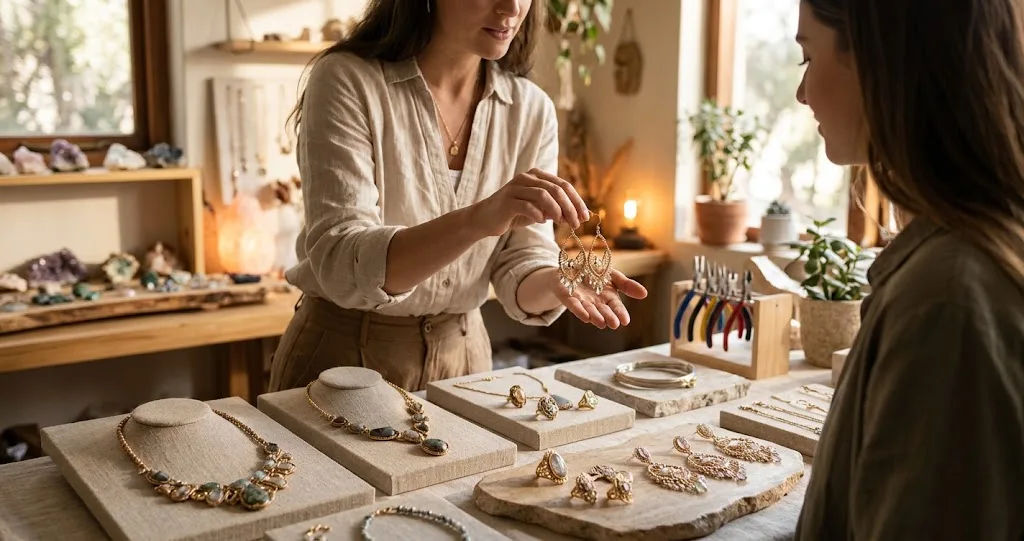 Unlike many mass-produced accessories, handcrafted jewellery often features unique designs, carefully selected materials, and individual finishing touches. These details make each piece special, but they may also require particular attention during cleaning, storage, and everyday wear. Some pieces contain natural stones, delicate beads, soft metals, or handmade elements that can be damaged by unsuitable cleaning products or rough handling.
Taking care of your favourite pieces does not have to be difficult or expensive. A few simple habits, such as removing jewellery before bathing, keeping it away from harsh chemicals, and storing it correctly, can make a significant difference. Understanding the materials used in each piece is also essential because different metals, gemstones, and decorative elements respond differently to moisture, heat, and cleaning methods.
This comprehensive guide explains how to maintain your jewellery, prevent common types of damage, clean different materials safely, and protect your favourite accessories during everyday activities. With the right approach, you can keep your treasured pieces looking attractive while extending their useful life.
Why Proper Jewellery Care Matters
Jewellery can gradually lose its original appearance when exposed to everyday conditions. Sweat, dust, body oils, cosmetics, and environmental pollution may collect on its surface. Over time, these substances can make metals look dull, stones appear less bright, and delicate components become dirty.
Proper care helps prevent these problems before they become serious. Regular cleaning removes surface dirt, while careful storage reduces scratches, tangles, and accidental breakage.
Another important benefit is durability. Loose clasps, weakened threads, and damaged settings can cause jewellery to break or lose decorative elements. Inspecting your pieces regularly allows you to identify minor problems before they lead to expensive repairs.
Well-maintained jewellery can also retain its sentimental and financial value. Pieces received as gifts, purchased during special occasions, or passed down through generations often have emotional significance that makes their preservation especially important.
The Materials Before Cleaning
Before choosing a cleaning method, identify the materials used in your jewellery. A technique suitable for solid gold may damage a plated surface, while a cleaning solution designed for glass beads might harm delicate gemstones.
When purchasing a piece, ask the maker about its materials, recommended cleaning methods, and any special maintenance requirements. Keep this information somewhere safe for future reference.
Caring for Gold and Silver
Gold jewellery is generally resistant to corrosion, but softer gold alloys can develop scratches. Gold-plated items require additional care because their thin outer coating can gradually wear away through friction and repeated cleaning.
Silver may tarnish when it reacts with substances in the surrounding environment. This can cause a dark layer to form on its surface.
Use a soft, clean cloth to remove fingerprints and everyday dirt. For suitable solid-metal pieces, a gentle cleaning solution may help remove stubborn residue. Always follow the manufacturer's recommendations, especially when the jewellery includes gemstones, glued components, or mixed materials.
Avoid aggressive polishing, particularly on plated jewellery, because excessive rubbing may remove the finish.
Looking After Gemstones and Beads
Gemstones vary considerably in hardness, porosity, and sensitivity to chemicals. Some tolerate gentle washing, while others may become damaged by prolonged soaking, heat, or ultrasonic cleaning.
Pearls, for example, are relatively delicate and can be affected by perfume, cosmetics, and harsh cleaning agents. Turquoise and certain other porous stones may absorb oils or react to chemicals.
Glass beads are often durable, but their colour coatings and decorative finishes may still be vulnerable to scratching or moisture.
Use a soft cloth for routine cleaning and check the care instructions before introducing water or cleaning products. When the stone's identity is uncertain, avoid experimentation and consult the jewellery maker.
Protecting Threaded and Wire-Wrapped Designs
Some handmade pieces use thread, cord, wire, or carefully arranged beads instead of conventional metal settings. These components may weaken through pulling, repeated bending, or contact with water.
Examine threaded necklaces and bracelets for fraying, loose knots, or stretched sections. Check wire-wrapped pieces for sharp ends, loose stones, and bent wires.
Avoid pulling jewellery into position or forcing tangled chains apart. Gentle handling reduces stress on the parts that hold the design together.
How to Clean Jewellery Safely
Regular cleaning keeps jewellery fresh and attractive, but the method should match the materials involved.
Use a Soft Cleaning Cloth
A soft, lint-free cloth is one of the easiest tools for routine jewellery maintenance. Gently wipe the surface after wearing a piece to remove sweat, fingerprints, and body oils.
Use separate cloths for different materials when possible, especially if a polishing cloth contains compounds designed for a particular metal.
Do not rub delicate surfaces aggressively. Light, controlled movements are usually sufficient for everyday cleaning.
Use Mild Soap Only When Suitable
For jewellery that is confirmed to be water-safe, prepare a small amount of mild soap in lukewarm water. Dip a soft cloth into the solution and gently clean the surface.
Avoid soaking pieces containing porous stones, pearls, glued decorations, untreated wood, fabric, or water-sensitive components. If the item can safely tolerate water, remove any soap residue carefully and dry it completely with a soft towel.
Never assume that every handmade accessory can be washed in the same way.
Avoid Harsh Chemicals
Bleach, strong detergents, abrasive powders, and household cleaning chemicals can damage metals, coatings, adhesives, and decorative elements.
Chlorine is particularly problematic for some jewellery metals and alloys. Alcohol-based products and solvents may also affect certain finishes or adhesives.
Do not use toothpaste, rough brushes, or improvised chemical mixtures to remove tarnish unless the maker specifically confirms that the method is suitable.
Be Careful With Ultrasonic Cleaners
Ultrasonic cleaning devices use vibrations to loosen dirt, but they are not appropriate for every type of jewellery. They may damage fragile stones, loosen settings, weaken adhesives, or harm delicate constructions.
Avoid ultrasonic cleaners unless you know the materials can safely withstand the process. For valuable or intricate pieces, professional advice is a safer option.
Everyday Habits That Keep Jewellery Beautiful
Good maintenance begins with the way you wear your accessories. A few practical adjustments can reduce unnecessary damage.
Put Jewellery On After Getting Ready
Perfume, hairspray, moisturisers, sunscreen, and makeup can leave residue on jewellery. Some products may also affect delicate finishes over time.
Apply cosmetics and personal-care products first. Allow them to dry before putting on your accessories.
This simple habit reduces direct contact with chemicals and makes cleaning easier.
Remove Jewellery Before Bathing or Swimming
Water exposure can weaken certain threads and adhesives, while soaps and shampoos may leave residue on decorative surfaces. Swimming pools introduce chlorine, and seawater contains salt that may affect some metals and components.
Remove jewellery before swimming, showering, bathing, or using a hot tub unless the maker confirms that the item is suitable for those conditions.
Even water-resistant materials can have delicate settings or attachments that require protection.
Take Jewellery Off During Physical Activities
Exercise, gardening, cleaning, and heavy household work can expose accessories to sweat, dirt, impact, and friction.
Rings may become scratched, necklaces may snag, and bracelets may catch on equipment or clothing. Removing jewellery before these activities lowers the risk of breakage and injury.
Keep a designated, secure place for temporary storage so that pieces are not accidentally misplaced.
Handle Clasps and Fastenings Gently
Clasps, hooks, and small connecting rings are often among the most vulnerable parts of a piece.
Open and close them carefully instead of pulling the jewellery apart. If a clasp becomes difficult to operate or feels loose, have it checked rather than forcing it.
The Best Way to Store Jewellery
Storage is just as important as cleaning. Incorrect storage can lead to scratches, tangles, tarnishing, and accidental damage.
Keep Pieces Separate
Store necklaces, bracelets, earrings, and rings in individual compartments whenever possible. Soft pouches, lined jewellery boxes, and small fabric bags can help prevent pieces from rubbing against one another.
Keep delicate chains fastened before placing them in storage. This can reduce tangling and make them easier to retrieve.
Avoid throwing several accessories into one container, particularly when they contain stones or metal parts that can scratch other surfaces.
Choose a Cool, Dry Place
Humidity can contribute to tarnishing and may damage certain natural materials, adhesives, and threads.
Store jewellery away from damp bathrooms, direct sunlight, heaters, and other sources of excessive heat. A dry drawer or a properly lined jewellery box is often a suitable choice.
For silver pieces that tarnish easily, an anti-tarnish pouch or suitable storage strip may help slow the process. Keep all storage materials appropriate for the jewellery being stored.
Protect Jewellery From Sunlight
Some coloured stones, dyed beads, resins, and decorative materials may fade or change when exposed to prolonged sunlight.
Keep these items in a closed storage box when they are not being worn. Avoid leaving jewellery on windowsills, dressing tables exposed to strong sunlight, or inside hot vehicles.
Special Care for Different Types of Handcrafted Jewellery
Because handcrafted jewellery accessories can combine several materials, they may need more specific maintenance than simpler designs.
Beaded Jewellery
Beaded necklaces and bracelets should be protected from excessive pulling and repeated stretching. Check the thread regularly for signs of wear, particularly near the clasp.
Wipe beads with a soft cloth and avoid soaking the piece unless its construction and materials are confirmed to be water-safe.
Store beaded accessories flat or in a soft pouch to reduce pressure on the thread and prevent individual beads from scratching one another.
Wooden Jewellery
Wood can respond to changes in moisture and temperature. Excessive water exposure may cause swelling, cracking, or damage to surface treatments.
Clean wooden pieces with a dry or slightly damp cloth only when appropriate, and dry them immediately. Avoid harsh chemicals and prolonged exposure to direct sunlight.
If the wood has a special oil or protective finish, ask the maker which maintenance products are suitable.
Resin and Polymer Clay Jewellery
Resin and polymer clay accessories can be lightweight and colourful, but they may scratch, chip, or become damaged under excessive heat.
Keep them away from hot surfaces, sharp objects, and strong solvents. Clean them gently with a soft cloth, following any material-specific instructions.
Avoid leaving these pieces in direct sunlight or inside a hot car for long periods, particularly if the materials or finishes are sensitive to heat.
Fabric, Thread, and Macramé Jewellery
Fabric and cord accessories can absorb sweat, oils, and moisture. Repeated washing may weaken fibres or change their shape.
Spot-clean these pieces only when appropriate, using a gentle method approved for the material. Allow them to dry completely before storing them.
Check knots and woven sections regularly, especially if the accessory is worn frequently.
Common Jewellery Care Mistakes to Avoid
Even well-intentioned cleaning habits can cause damage when the wrong methods are used.
One common mistake is cleaning every material with the same product. A metal polish that works well on one surface may strip the finish from another.
Another mistake is leaving jewellery to air-dry while moisture remains trapped around beads, clasps, or settings. Residual moisture can affect certain materials and encourage deterioration. Dry suitable pieces carefully before storing them.
Wearing jewellery continuously can also increase wear. Sleeping in delicate necklaces or bracelets may cause tangling, stretching, or breakage. Rings and earrings can catch on bedding and clothing.
Finally, ignoring small defects can turn a minor repair into a larger problem. A loose stone, damaged clasp, or fraying cord should be addressed promptly.
A Simple Jewellery Maintenance Routine
A consistent routine makes jewellery care easier and prevents dirt and damage from accumulating.
After Every Wear
-
Wipe the piece gently with a suitable soft cloth.
-
Check for visible dirt, moisture, or cosmetic residue.
-
Fasten chains and store the item in a separate compartment.
-
Keep it away from damp areas and direct sunlight.
Once a Month
-
Inspect clasps, hooks, wires, threads, and stone settings.
-
Look for tarnish, scratches, fading, or loose components.
-
Clean pieces more thoroughly when their materials allow it.
-
Separate tangled accessories carefully without pulling them.
Every Few Months
Review the condition of frequently worn jewellery and consider whether any pieces need professional attention. Check clasps, replace worn cords when necessary, and ask a qualified jeweller to inspect valuable items with loose stones or damaged settings.
Pieces worn only occasionally should also be checked before use, especially if they have been stored for a long time.
When to Seek Professional Jewellery Care
Home maintenance is suitable for routine cleaning and basic inspection, but certain problems require professional assistance.
Seek help if a gemstone moves within its setting, a clasp breaks, a metal component bends significantly, or a threaded design begins to unravel. Professional repair may also be appropriate for heavily tarnished, antique, or particularly valuable pieces.
A skilled jeweller or the original maker can identify suitable repair methods and help preserve the original design.
Avoid attempting complex repairs with household glue, improvised tools, or excessive force. These approaches may cause permanent damage or reduce the piece's value.
When possible, return intricate accessories to the person who made them. They may understand the original construction and know how to repair it without changing its appearance.
Conclusion
Caring for jewellery is a simple but meaningful way to preserve beauty, craftsmanship, and personal memories. With regular attention and suitable maintenance, your favourite accessories can remain attractive and wearable for many years.
The most important step is to understand the materials used in each piece. Metals, gemstones, beads, wood, resin, and fabric all have different care requirements. Choosing the correct cleaning method helps prevent unnecessary scratches, fading, tarnishing, and structural damage.
Daily habits also make a significant difference. Applying cosmetics before wearing jewellery, removing accessories before swimming or exercising, handling clasps carefully, and keeping pieces separate during storage can prevent many common problems. A gentle cleaning routine and occasional inspection help identify damage before it becomes serious.
Remember that handcrafted jewellery deserves individual attention because its materials and construction may differ from one design to another. Avoid harsh chemicals, excessive moisture, rough handling, and unverified cleaning techniques. When a piece has a loose stone, damaged fastening, or weakened thread, professional repair is often the safest solution.
Ultimately, good jewellery care does not require complicated equipment or expensive products. It requires consistency, patience, and an understanding of what each piece needs. By following these practical guidelines, you can protect your collection, maintain its original character, and continue enjoying the accessories that make your personal style unique.