Starting a skincare routine can feel confusing, especially for people who have never used skincare products before. With so many cleansers, moisturizers, serums, sunscreens, and exfoliants available, beginners may struggle to decide which products are suitable for their skin. Choosing the right products is important because a simple, well-planned routine can help maintain healthy skin without unnecessary irritation or expense.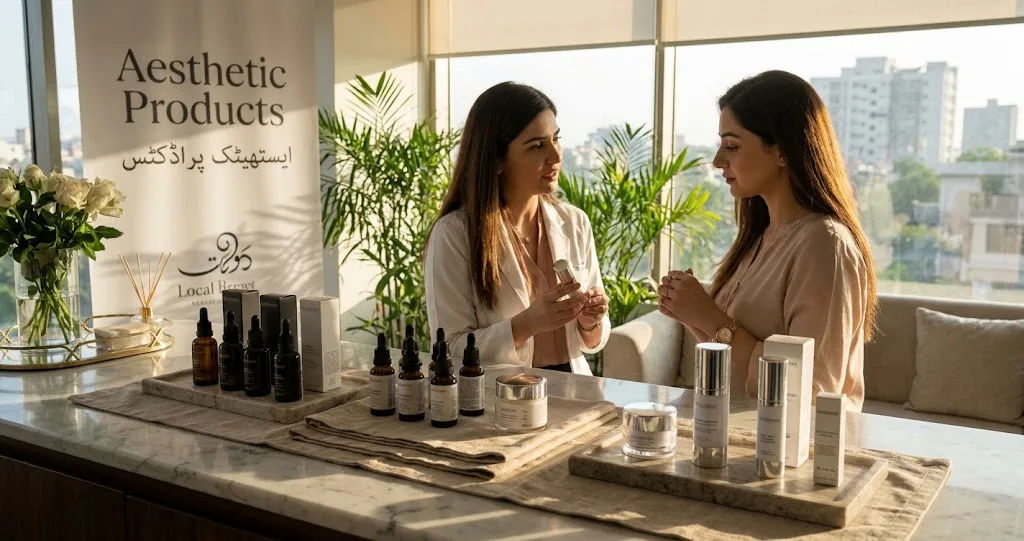
For people exploring skincare options, aesthetic products pakistan offers a useful starting point for understanding the different products available in the local market. These products may include everyday skincare essentials, specialized serums, cosmetic treatments, and professional skincare solutions. However, beginners need to understand that not every product is suitable for every skin type. Learning how products work, checking their ingredients, and introducing them gradually can help new users build a routine that supports their skin's needs.
The good news is that beginners do not need extensive skincare knowledge or an expensive collection of products to get started. By understanding their skin type, choosing gentle formulas, and following a consistent routine, they can make informed decisions. This guide explains how beginners can select suitable products, avoid common mistakes, and develop a practical skincare routine.
Aesthetic Products
Aesthetic products are products used to support skin appearance, hydration, texture, and general cosmetic care. Depending on the seller and product category, the term may refer to ordinary skincare items, professional-use preparations, or products associated with cosmetic treatments.
Some products are designed for everyday use, while others contain active ingredients that require greater care. Understanding this difference is particularly important for beginners.
Common Types of Aesthetic Products
Several categories are commonly found in skincare shops and online stores.
Cleansers: Cleansers remove dirt, sweat, excess oil, and makeup from the skin. Gentle cleansers are usually a good starting point for beginners because they help clean the face without unnecessarily stripping its natural moisture.
Moisturizers: Moisturizers help maintain the skin's protective barrier and reduce dryness. They are useful for most skin types, including oily skin, when the formula is appropriately selected.
Sunscreens: Sunscreens protect exposed skin from ultraviolet radiation. Broad-spectrum sunscreen with SPF 30 or higher is generally recommended for daily use.
Serums: Serums contain ingredients intended to address particular concerns, such as uneven skin tone, dryness, or the appearance of fine lines. Their effects depend on the ingredients, formulation, and consistency of use.
Exfoliating products: Exfoliants help remove dead skin cells from the skin's surface or support their natural shedding. Products containing acids or other exfoliating ingredients can irritate the skin if used too frequently.
Specialized skincare products: Some products are marketed for acne, pigmentation, sensitive skin, or signs of aging. These may contain stronger active ingredients and may not be appropriate for every beginner.
Not all these products are necessary at the same time. Starting with a few essentials is usually more practical than purchasing a complete collection immediately.
Why Beginners Can Use Aesthetic Products Pakistan
Beginners can use many skincare products safely when they choose appropriate formulations and follow the instructions provided by the manufacturer. The important point is to select products according to individual skin needs rather than popularity or advertising claims.
Exploring aesthetic products pakistan can help new skincare users become familiar with different product categories and their intended purposes. Nevertheless, availability does not automatically mean that every product is suitable for home use or appropriate for beginners.
Simple Products Make It Easier to Start
A basic routine does not require complicated treatments. A gentle cleanser, moisturizer, and sunscreen can provide a useful foundation for most people.
These products serve different purposes. Cleansing removes everyday impurities, moisturizing supports the skin barrier, and sunscreen helps protect against ultraviolet damage.
Once a beginner understands how these essentials work, adding another product becomes easier. There is also less risk of confusing a reaction caused by one product with an effect caused by another.
Beginners Can Learn About Their Skin
Using skincare products gradually allows beginners to observe how their skin responds.
For example, someone with dry skin may notice that a fragrance-free moisturizer improves tightness after washing. Someone with oily skin may find that a lightweight, non-comedogenic moisturizer feels more comfortable than a heavy cream.
These observations can guide future choices.
However, skin concerns do not always have simple explanations. Persistent acne, painful irritation, unusual rashes, and significant pigmentation may require professional assessment instead of repeated experimentation with cosmetic products.
Affordable Options Can Be Effective
Beginners sometimes assume that effective skincare must be expensive. This is not necessarily true.
A reasonably priced product with a suitable formulation may work better for an individual than a costly product containing unnecessary ingredients.
The best choice depends on product quality, ingredient suitability, proper storage, and regular use. A higher price does not automatically indicate better results.
Identify Your Skin Type Before Choosing Products
Understanding skin type is one of the most useful steps for anyone starting a skincare routine. It helps narrow down the available choices and reduces the likelihood of selecting unsuitable products.
However, skin type can change with weather, age, hormones, and other factors. Some people also experience dehydration or sensitivity alongside their usual skin type.
Normal Skin
Normal skin generally feels comfortable without excessive oiliness or dryness.
People with this skin type can usually begin with a gentle cleanser, a balanced moisturizer, and sunscreen. Additional products can be introduced when there is a specific concern to address.
There is no need to use strong active ingredients simply because they are popular.
Oily Skin
Oily skin produces more sebum, which can create shine and contribute to clogged pores in some individuals.
Beginners with oily skin may prefer lightweight, non-comedogenic moisturizers and gentle cleansers. Products containing salicylic acid may help certain people with clogged pores, but they should be introduced cautiously.
Avoid harsh cleansers that leave the skin feeling extremely tight. Excessive cleansing and aggressive exfoliation can damage the skin barrier and make irritation worse.
Dry Skin
Dry skin may feel rough, tight, flaky, or uncomfortable, particularly after washing.
Cream-based moisturizers containing ingredients such as glycerin, ceramides, or petrolatum may help support moisture retention. A gentle, non-stripping cleanser can also make a difference.
Beginners with dry skin should be cautious about using multiple exfoliating products, especially when the skin is already peeling or irritated.
Sensitive Skin
Sensitive skin may react to fragrance, strong active ingredients, or changes in skincare routines.
People with sensitive skin should generally choose simple formulas and introduce new products one at a time. Fragrance-free options may be preferable, although no ingredient category guarantees that a product will suit everyone.
If a product repeatedly causes burning, redness, swelling, or itching, discontinue its use. Severe or persistent reactions should be assessed by a healthcare professional.
Combination Skin
Combination skin often has an oilier forehead, nose, and chin, with normal or dry areas elsewhere.
A beginner can use different amounts of moisturizer on different parts of the face rather than applying several specialized products everywhere.
The goal is to balance comfort and hydration without unnecessarily drying the oily areas.
How to Build a Beginner-Friendly Skincare Routine
A simple routine is often the most effective way to begin. It makes skincare easier to maintain and allows users to understand how individual products affect their skin.
Morning Routine
A morning routine should focus on gentle cleansing when needed, hydration, and sun protection.
Step 1: Cleanse gently.
Wash your face with a suitable cleanser. If your skin is very dry or sensitive, you may find that a less intensive morning cleanse works better, provided your overall hygiene needs are met.
Use lukewarm water instead of very hot water, which can worsen dryness.
Step 2: Apply moisturizer.
Choose a moisturizer suited to your skin type. Apply it gently without rubbing the skin aggressively.
Even oily skin can benefit from moisturizing. The key is finding a comfortable formulation.
Step 3: Use sunscreen.
Apply a broad-spectrum sunscreen with SPF 30 or higher to exposed skin. Follow the product's instructions for the amount needed, and reapply as directed, particularly after sweating, swimming, or extended outdoor exposure.
Sun protection is especially important in Pakistan, where many regions experience strong sunlight during much of the year.
Sunscreen should not be treated as an optional extra simply because the weather is cloudy.
Evening Routine
An evening routine helps remove the day's accumulated dirt, sunscreen, and makeup.
Step 1: Remove makeup and sunscreen.
Use an appropriate makeup remover or cleansing product when necessary. Follow with a gentle cleanser if your first product is designed for makeup removal rather than washing.
Avoid scrubbing the skin to remove stubborn products.
Step 2: Apply moisturizer.
Moisturize after cleansing to help reduce water loss and maintain the skin barrier.
Step 3: Consider one additional product.
After your basic routine is well established, you may consider a product that addresses a particular concern.
For example, a beginner interested in uneven skin tone might investigate a suitable niacinamide product. Someone experiencing persistent acne may benefit from professional advice about appropriate treatment options.
There is no need to add an active ingredient unless you have a clear reason to use it.
Choosing Aesthetic Products Pakistan for Local Conditions
Pakistan's climate varies considerably between regions. Some areas experience hot, humid summers, while others have dry weather, cold winters, or substantial seasonal temperature changes.
These conditions can influence how skincare products feel on the skin.
Consider Heat and Humidity
In hot or humid weather, heavy creams may feel uncomfortable for some people, particularly those with oily skin.
Lightweight moisturizers and non-comedogenic sunscreens may be easier to use consistently. However, people with dry skin may still need richer formulations.
Product selection should depend on individual skin needs rather than climate alone.
Adjust for Dry Weather
Cold weather, indoor heating, air conditioning, and dry air can contribute to skin dryness.
During these periods, some people benefit from a richer moisturizer or a gentler cleanser. If the skin becomes tight or flaky, reducing exfoliation may also help.
A routine does not have to remain identical throughout the year. Small adjustments can improve comfort.
Choose Products from Reliable Sellers
When exploring aesthetic products pakistan, beginners should pay attention to product authenticity and storage conditions.
Counterfeit, expired, contaminated, or improperly stored products can pose risks, especially when they contain active ingredients.
Look for clearly identified manufacturers, sealed packaging where appropriate, ingredient lists, batch details, expiry information, and instructions for use.
Purchase from reputable pharmacies, authorized retailers, or established sellers that can provide reliable product information.
Be cautious when a product has no identifiable manufacturer, makes extraordinary promises, or is sold with unclear labeling.
Understanding Ingredients Before Buying
Reading an ingredient list can help beginners make better choices. Although ingredient names may initially appear complicated, learning about a few common ingredients can provide a useful foundation.
Hyaluronic Acid
Hyaluronic acid is a humectant that attracts and retains water.
It is commonly included in hydrating serums and moisturizers. Many people can use it comfortably, although the complete formulation matters more than the presence of one ingredient alone.
A hydrating serum should generally be followed by a moisturizer when additional moisture retention is needed.
Niacinamide
Niacinamide, a form of vitamin B3, is used in skincare products designed to support the skin barrier and improve the appearance of uneven skin tone.
It may also help some people manage excess oil. However, stronger formulations are not automatically more effective for every user.
Beginners should choose a suitable product and follow its directions instead of immediately starting with the highest concentration available.
Salicylic Acid
Salicylic acid is an exfoliating ingredient often used in products for clogged pores and acne-prone skin.
It can cause dryness or irritation, particularly when combined with other exfoliants or used too frequently.
People with sensitive skin should approach it cautiously. Anyone with persistent, severe, or scarring acne should consider professional medical advice.
Retinoids
Retinoids are vitamin A-related ingredients used for concerns such as acne and signs of skin aging.
Some retinoids are available in over-the-counter cosmetic products, while others require medical supervision or a prescription, depending on the product and local regulations.
They can cause dryness, peeling, and irritation, particularly during the initial stages of use.
Pregnant people or those trying to become pregnant should avoid topical retinoids unless their healthcare professional specifically advises otherwise. Anyone considering these products should check the exact ingredient and seek appropriate guidance.
Fragrance and Essential Oils
Fragrance and certain essential oils can trigger irritation or allergic reactions in susceptible individuals.
People who frequently experience sensitivity may prefer fragrance-free products. Nevertheless, even fragrance-free formulas can contain ingredients that cause reactions in particular users.
Patch testing can help identify some potential problems before a product is applied more widely.
Safety Tips Every Beginner Should Follow
Skincare products can be useful, but careless use may cause irritation or other unwanted effects.
Following a few basic precautions can make the learning process safer.
Introduce One Product at a Time
Avoid starting several new products on the same day.
Introduce one product, follow its instructions, and observe your skin before adding another. This makes it easier to identify which product may be responsible if a reaction occurs.
There is no universal waiting period that guarantees a product is safe for everyone. The appropriate observation period depends on the product and its ingredients.
Perform a Patch Test
Before using a new product widely, apply a small amount to a limited area of skin according to the product's instructions.
Repeat the test as directed over the recommended period, watching for redness, itching, swelling, or irritation.
A patch test cannot guarantee that a product will never cause a reaction, but it can help identify some problems before regular facial use.
Do not deliberately test a product on irritated or broken skin.
Avoid Combining Too Many Active Ingredients
Using several active ingredients at once can increase the likelihood of irritation.
For example, combining multiple exfoliating acids with a retinoid may be too harsh for a beginner. A simple routine gives the skin time to adjust and makes potential reactions easier to recognize.
If you are uncertain whether two products can be used together, consult a qualified dermatologist or pharmacist.
Avoid Unverified Whitening Products
Be particularly cautious about products advertised as instant skin whiteners or miracle pigmentation treatments.
Some unregulated products may contain undisclosed ingredients, including mercury or potent corticosteroids. Inappropriate use can cause serious harm.
Avoid products with unclear ingredient lists or unrealistic promises. If you want to address pigmentation, a dermatologist can help identify its cause and recommend appropriate treatment.
Know When to Stop
Mild changes in how a product feels do not always indicate a serious problem, but persistent burning, swelling, severe redness, blistering, or worsening irritation should not be ignored.
Stop using the suspected product if a reaction develops. Seek medical attention for severe symptoms, and obtain urgent help if you experience difficulty breathing or swelling of the lips or throat.
Do not assume that irritation means a product is working.
Common Mistakes Beginners Should Avoid
Many skincare problems result from using products incorrectly rather than from an absence of suitable options.
Buying Too Many Products at Once
Buying a large collection can waste money and make it difficult to determine what works.
Start with essentials and add products only when there is a clear purpose.
Expecting Immediate Results
Most skincare improvements take time. Hydration may improve comfort relatively quickly, while changes in acne, pigmentation, and skin texture can require weeks or months.
The timeline depends on the concern, product, and individual response.
Be skeptical of claims promising flawless skin overnight.
Skipping Sunscreen
Some beginners focus on serums and moisturizers but neglect sun protection.
Regular sunscreen use helps protect against sunburn and reduces cumulative ultraviolet damage. It is an important part of maintaining skin health and managing concerns such as uneven pigmentation.
Following Every Online Trend
Social media can introduce people to useful skincare information, but popular routines are not necessarily appropriate for everyone.
A product that works for one person may irritate another. Influencer recommendations may also be influenced by advertising or may omit important safety information.
Make decisions based on your skin's needs, credible evidence, and professional guidance when necessary.
Ignoring Expiry Dates
Expired products may lose effectiveness or become unsuitable for use. Products that change in smell, texture, or appearance should be treated cautiously, especially if their packaging is damaged or storage conditions have been poor.
Follow the manufacturer's storage instructions and avoid sharing products that can become contaminated.
Are Professional Aesthetic Treatments Suitable for Beginners?
The term aesthetic products can sometimes refer to products used in professional cosmetic procedures rather than ordinary skincare.
These categories should not be confused.
Professional treatments may include chemical peels, microneedling, laser procedures, injectables, and other interventions intended to change the skin's appearance.
They are not equivalent to everyday cleansers or moisturizers.
Understand the Difference Between Home Care and Clinical Treatments
Beginners can usually start by learning about basic skincare products, but they should not attempt professional procedures at home simply because supplies are available online.
Strong chemical peels, injectable products, and procedures that penetrate the skin can cause burns, infections, scarring, and other complications when used improperly.
Products intended for professional use may require specialized training, appropriate facilities, or medical supervision.
Always check the intended use and follow applicable safety requirements.
Consult a Qualified Professional
If you are considering a professional aesthetic treatment, consult an appropriately qualified healthcare professional with relevant training.
Ask about the expected benefits, possible side effects, recovery time, alternatives, and total cost.
A reputable professional should explain the limitations of a treatment rather than guarantee perfect results.
For persistent acne, unexplained pigmentation, recurring rashes, or other ongoing skin concerns, a dermatologist can help determine whether you need a cosmetic product, a medical treatment, or a different approach altogether.
How Much Should Beginners Spend on Skincare?
A beginner's skincare budget should focus on essentials rather than the number of products purchased.
Prices vary according to brand, formulation, size, retailer, and availability in Pakistan. There is no single budget that suits everyone.
A sensible purchasing order is to prioritize a gentle cleanser if needed, a suitable moisturizer, and a reliable sunscreen.
Once these products are established, consider whether an additional treatment product would address a specific concern.
Compare ingredient information, packaging, and the manufacturer's instructions instead of choosing solely by price or advertising.
It is also worth considering how long a product is likely to last and whether you can afford to replace it regularly. A simple routine that fits your budget is generally more sustainable than an expensive routine that you cannot maintain.
When researching aesthetic products pakistan, avoid purchasing multiple products simply because they are offered in a discounted bundle. A lower combined price is not a good value if most of the products are unsuitable for your skin.
How to Recognize a Reliable Skincare Product
No single label or marketing claim can guarantee that a product will suit every person. However, several checks can help you make a more informed decision.
First, examine the packaging. Look for clear product identification, ingredient information, manufacturer details, and appropriate expiry or batch information.
Second, read the directions. Reliable product information should explain how the item is intended to be used and whether there are important precautions.
Third, consider whether the claims are realistic. A moisturizer can help improve hydration, but it cannot permanently eliminate every wrinkle or guarantee a particular skin tone.
Fourth, assess the seller. Choose businesses that provide transparent information and have a credible reputation for selling authentic products.
Finally, pay attention to your own skin's response. Even a well-formulated product may not suit every individual.
These steps help beginners make more confident choices without assuming that the most expensive or heavily advertised option must be the best.
Conclusion
Beginners can use aesthetic skincare products successfully when they approach skincare with patience, realistic expectations, and a focus on safety. The most important step is not purchasing a large collection of products. It is understanding your skin, identifying your needs, and selecting suitable products that support a consistent routine.
Exploring aesthetic products pakistan can introduce new users to a wide range of cleansers, moisturizers, sunscreens, serums, and specialized skincare options. However, every product should be evaluated according to its ingredients, intended purpose, quality, and suitability for the person using it. Buying from reliable sellers and checking product information can also help reduce the risk of counterfeit or improperly labeled items.
For most beginners, a gentle cleanser, a suitable moisturizer, and broad-spectrum sunscreen provide a practical foundation. Additional products can be introduced gradually when there is a clear reason to use them. Patch testing, following directions, and avoiding excessive combinations of active ingredients can help reduce unnecessary irritation.
It is equally important to understand the difference between everyday skincare and professional aesthetic treatments. Products designed for clinical procedures or professional use should not automatically be considered suitable for home application. People experiencing persistent skin problems or considering more intensive treatments should seek guidance from a qualified professional.
Ultimately, effective skincare is about making informed decisions rather than following every trend. By keeping their routine simple, choosing products carefully, and allowing enough time to assess results, beginners can develop healthier skincare habits and make better use of the options available in Pakistan.