Proper medication storage is essential for maintaining the quality, safety, and effectiveness of any medicine. Many people pay close attention to dosage and timing but overlook how environmental conditions can affect their medications. Ivermectin is one such medicine that should be stored carefully according to the instructions provided with its specific formulation. 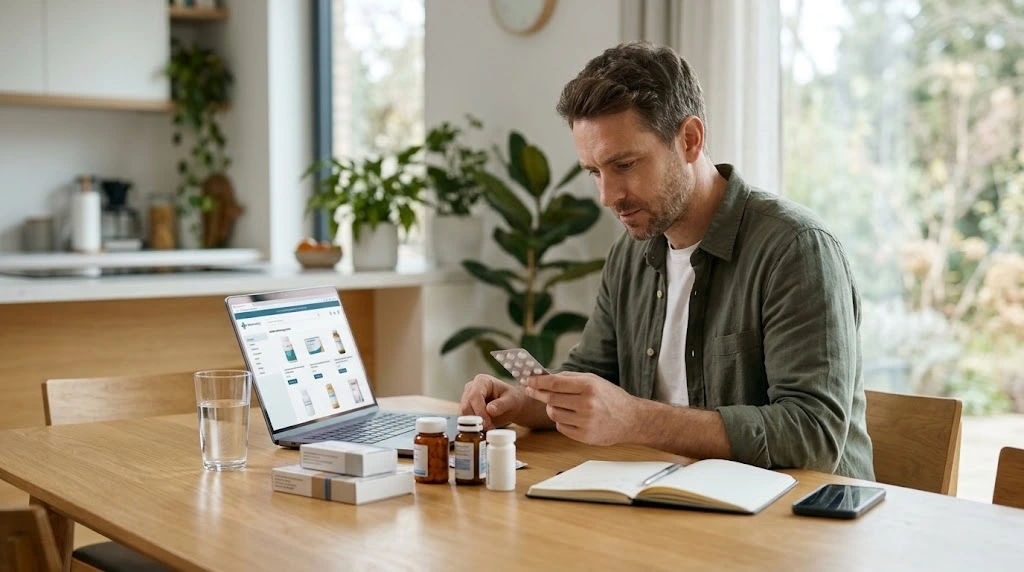 Whether prescribed for a parasitic infection or another approved medical condition, this medication needs appropriate handling to prevent accidental damage, contamination, or misuse. Incorrect storage can expose medicines to excessive heat, moisture, sunlight, or other environmental conditions that may affect their quality.
Understanding the correct storage requirements also helps prevent accidental access by children and pets. It ensures that the medicine remains in its original packaging, can be identified easily, and is available when needed.
This comprehensive guide explains how to store this medication safely, which environmental conditions to avoid, how to handle expired products, and what precautions households should follow.
Why Proper Medication Storage Matters
Medication storage is not simply about finding an empty space in a cupboard. It involves protecting the product from environmental conditions that could affect its stability.
Medicines contain active ingredients and other substances that work together to maintain their intended quality. Exposure to unsuitable conditions may cause chemical or physical changes.
For this reason, following the manufacturer's storage instructions is important.
Preserving Medication Quality
Every medicine is manufactured and tested under specific conditions. Its packaging and storage instructions are designed to help maintain its quality throughout its stated shelf life.
Heat, humidity, and direct sunlight can sometimes affect pharmaceutical products. The extent of the effect depends on the ingredients, formulation, and packaging.
Storing medication appropriately helps reduce unnecessary exposure to these conditions.
Preventing Accidental Contamination
Keeping medicines in their original containers helps protect them from contamination and identification problems.
Moving tablets into unlabelled bags or mixing different medications in one container can create confusion. It may also expose the products to moisture or unsuitable storage conditions.
Original packaging generally provides important information, including the product name, strength, expiry date, and manufacturer's instructions.
Protecting Children and Pets
Medication safety also involves preventing accidental ingestion.
Children may mistake tablets for sweets, while pets can accidentally consume medicines left within their reach.
A secure storage location reduces these risks and helps households maintain better medication safety practices.
Ideal Temperature for Storing Ivermectin
Temperature is one of the most important factors to consider when storing medication. Different formulations may have different temperature requirements, so patients should always check the packaging and patient information leaflet.
Many oral tablet products specify controlled room-temperature storage. For example, some products recommend storage at approximately 20°C to 25°C, with permitted short-term temperature variations.
Keep It at the Recommended Room Temperature
A cool, dry cupboard is often a suitable location for tablets when their packaging specifies room-temperature storage.
Choose a place where temperatures remain reasonably stable throughout the day.
Avoid storing medication in locations that become unusually hot during summer or experience frequent temperature changes.
Avoid Excessive Heat
High temperatures may affect the stability of certain medicines.
Avoid leaving medication:
-
Inside a parked vehicle.
-
Near ovens or cooking appliances.
-
Beside radiators or heaters.
-
On windowsills exposed to direct sunlight.
-
Near electronic equipment that produces substantial heat.
In hot climates, including areas where summer temperatures regularly become very high, choosing an appropriate indoor storage location is especially important.
Do Not Freeze Medication
Freezing is generally unnecessary for ordinary tablet formulations unless the product instructions specifically state otherwise.
Extreme cold can also affect certain pharmaceutical preparations.
Do not place medication in a freezer as a way of extending its shelf life. If the product has accidentally frozen, ask a pharmacist whether it remains suitable for use.
Should Ivermectin Be Refrigerated?
A common question among patients is whether refrigeration helps preserve medication.
For many tablet formulations, refrigeration is not required. Some products specifically recommend ordinary controlled room-temperature storage instead.
Refrigeration may introduce unnecessary temperature changes and condensation when a container is repeatedly removed from the refrigerator.
Why Refrigeration Is Usually Unnecessary
Medicines are manufactured with particular storage conditions in mind.
If the packaging recommends room temperature, placing the product in a refrigerator does not automatically make it safer or more effective.
Moisture can also develop when a cold container is exposed to warmer air.
This is particularly important for tablets because unnecessary humidity may affect their physical condition.
What About Topical Creams?
Topical preparations may have different storage requirements from oral tablets.
For example, certain prescription ivermectin creams are labelled for storage between 20°C and 25°C, with permitted excursions between 15°C and 30°C.
Patients should not assume that every cream, lotion, or other formulation has identical requirements.
Always follow the instructions supplied with the exact product.
Protect Medication From Moisture and Humidity
Moisture is another important factor in medication storage.
Bathrooms, kitchens, and laundry areas often experience changing humidity levels. These conditions can be unsuitable for many medicines.
Choose a Dry Storage Location
Store medication in a dry cupboard or cabinet away from water sources.
Avoid placing it beside sinks, showers, washing machines, or dishwashers.
Even when a container appears closed, repeated exposure to humid conditions may create unnecessary storage risks.
Keep the Original Packaging
The original packaging provides protection and important product information.
For tablets, blister packaging can help protect individual doses until they are needed.
Some bottles also contain protective packaging components, such as desiccants, which help control moisture.
Do not remove these components unless the product instructions tell you to do so.
Close Containers Properly
If the medicine comes in a bottle, close its lid securely after every use.
Leaving the container open can expose the contents to air, dust, and humidity.
For creams, make sure the cap is replaced properly after application. This reduces the risk of leakage, contamination, and unnecessary exposure.
Keep Ivermectin Away From Direct Sunlight
Light exposure can affect some pharmaceutical products, depending on their formulation and packaging.
Certain tablet leaflets specifically instruct patients to retain the medicine in its original packaging to protect it from light.
Avoid Windowsills
A windowsill may appear convenient, but it is rarely an ideal medication storage location.
Direct sunlight can heat the packaging and expose the medicine to changing temperatures.
Choose an enclosed cupboard instead.
Use Protective Packaging
Keep tablets in their original blister packs or approved containers whenever possible.
Do not transfer them into transparent containers simply because they look more convenient.
If a pharmacist provides a different dispensing container, follow the pharmacist's storage instructions.
Why Original Packaging Is Important
Original packaging is designed to provide more than an attractive appearance. It carries information that helps patients use and store medication correctly.
Important Information on the Label
The packaging may contain:
-
Medicine name.
-
Strength and formulation.
-
Manufacturer information.
-
Expiry date.
-
Batch or lot number.
-
Storage instructions.
-
Prescription and safety warnings.
Keeping these details available helps prevent confusion, especially when several household members take different medicines.
Avoid Mixing Different Medicines
Never place different tablets together in an unlabelled container.
Even medicines that look similar may contain completely different ingredients.
Mixing products increases the possibility of taking the wrong medicine or incorrect strength.
If you use a weekly medication organiser, ask your pharmacist whether transferring your particular product is appropriate.
Safe Storage Around Children and Pets
Medication safety requires particular attention in households with young children or animals.
Even a small amount of an improperly handled medicine may create serious problems if accidentally swallowed.
Use a Secure Cabinet
Store medication in a locked cabinet or another secure location that children cannot access.
A high shelf alone may not provide sufficient protection because children can climb or reach unexpected places.
Keep Medicines in Child-Resistant Containers
Use the original child-resistant closure where provided.
However, child-resistant packaging is not completely childproof.
Always replace the cap securely and return the medicine to its designated storage location immediately after use.
Protect Household Pets
Pets may chew packaging or swallow tablets that have fallen onto the floor.
Keep medicines away from food bowls, pet sleeping areas, and places where animals can reach them.
If a pet accidentally consumes a human medication, contact a veterinarian promptly. Do not attempt to treat the animal yourself.
How to Store Different Ivermectin Formulations
Not all products containing the same active ingredient should be stored in exactly the same way.
The formulation, manufacturer, packaging, and approved product instructions determine the appropriate conditions.
Oral Tablets
Tablet products commonly require controlled room-temperature storage.
Some labels also specifically instruct users to protect the tablets from moisture.
Keep them in their original packaging until they are needed.
Avoid placing tablets in damp locations or exposing them to excessive heat.
Topical Creams
Creams are generally stored according to their individual product instructions.
Some prescription products specify room-temperature storage between 20°C and 25°C.
Keep the tube closed when not in use, and avoid allowing the nozzle to contact dirty surfaces.
Do not dilute the cream or transfer it into another container.
Veterinary Formulations
Veterinary products are not necessarily interchangeable with human medicines.
They may have different concentrations, ingredients, packaging, and storage requirements.
Always follow the specific veterinary product label.
Never assume that a product intended for animals can be safely used by humans.
How to Check Whether Stored Medication Is Still Suitable
Even when medication has been stored carefully, patients should inspect its packaging and check its expiry date before use.
These checks are useful for identifying possible problems.
Check the Expiry Date
The expiry date indicates the period during which the manufacturer supports the product's quality under the recommended storage conditions.
Do not use medication after its expiry date.
Some labels indicate that the expiry date refers to the last day of the stated month.
If the printed date is unclear, ask a pharmacist to help interpret it.
Inspect the Packaging
Look for signs of damage, including:
-
Torn blister packaging.
-
Broken bottle seals.
-
Cracked containers.
-
Missing labels.
-
Signs of water damage.
-
Loose or damaged caps.
Damaged packaging may compromise the protection provided to the medicine.
Look for Unusual Changes
Do not use tablets or creams if they show unexpected changes in appearance, smell, or consistency.
For tablets, look for unusual discoloration, crumbling, swelling, or visible deterioration.
For creams, check for unexpected separation, changes in texture, or unusual discoloration.
However, appearance alone cannot confirm that a medicine is safe. When in doubt, consult a pharmacist.
What Should You Do If Medication Is Exposed to Heat?
Sometimes medication is accidentally left inside a vehicle, near a window, or in another location where temperatures become unusually high.
In these situations, patients should avoid assuming that the product is still suitable simply because it looks normal.
Identify How Long It Was Exposed
Consider the following details:
-
How long was the medicine exposed to heat?
-
Was it exposed to direct sunlight?
-
Was the container properly closed?
-
Did the temperature become extremely high?
-
Was the packaging damaged?
These details can help a pharmacist assess the situation.
Contact a Pharmacist
If you suspect that your medication has been exposed to unsuitable temperatures, contact a pharmacist before using it.
Provide the product name, formulation, manufacturer, and details about the exposure.
A pharmacist can review the product's storage requirements and advise whether replacement is necessary.
Do Not Try to Restore Damaged Medication
Cooling overheated medication does not necessarily restore its original quality.
Similarly, placing a product in a refrigerator after improper storage does not reverse possible chemical changes.
Avoid using medication that may have been damaged until you receive professional advice.
Safe Storage During Travel
Travelling with prescription medication requires additional planning.
Temperature conditions can change considerably during journeys, particularly when travelling in hot weather.
Carry Medication in Appropriate Packaging
Keep medication in its original labelled packaging whenever practical.
This makes it easier to identify the product and check its storage requirements.
It also helps prevent accidental mixing with other medicines.
Avoid Leaving Medication in Vehicles
A vehicle can become extremely hot when parked in direct sunlight.
The temperature inside a car may rise considerably above the outdoor temperature.
Therefore, avoid leaving medicines in the glove compartment, dashboard, boot, or other areas where heat can accumulate.
Take the medicine with you when leaving the vehicle, provided you can maintain its recommended storage conditions.
Plan for Long Journeys
For longer journeys, identify a suitable way to protect medication from excessive temperatures.
If you are travelling by air, keep essential medication in your hand luggage rather than placing it in checked baggage whenever possible.
Checked luggage may experience different temperature conditions and can become inaccessible during delays.
Follow airline requirements and ask your pharmacist about any special arrangements if your product requires particular temperature control.
Protect Medication During Hot Weather
If travelling during summer, avoid exposing medication to direct sunlight.
An insulated travel pouch may help reduce exposure to short-term temperature fluctuations, but it does not guarantee that the required storage temperature will be maintained.
Do not place tablets directly against frozen ice packs because extreme cold and condensation may create additional problems.
How Long Can Ivermectin Be Stored?
The storage period depends on the manufacturer's expiry date and the product's packaging instructions.
There is no single shelf-life period that applies to every formulation or brand.
Follow the Manufacturer's Expiry Date
Manufacturers determine expiry dates through product stability testing.
These dates indicate how long the medicine is expected to meet its quality specifications when stored according to the approved instructions.
Never extend the expiry date yourself.
Even if the tablets look unchanged, their appearance does not prove that their quality remains acceptable.
What Happens After Opening?
Some products may have additional instructions concerning their use after opening.
Check the leaflet to determine whether the manufacturer specifies a particular period after opening.
Do not assume that all bottles and tubes have identical requirements.
If the instructions are unclear, consult the dispensing pharmacist.
Keep Track of Purchase and Expiry Dates
A simple medication record can help prevent accidental use of expired products.
You can write down:
-
The date the medicine was purchased.
-
The expiry date printed on the package.
-
The prescribed strength.
-
The date the package was opened, if relevant.
This approach is especially useful for households that keep several prescription medicines.
Proper Disposal of Expired or Unwanted Medication
Expired or unwanted medication should not remain in household storage indefinitely.
Keeping unnecessary medicines creates additional risks, particularly when children or visitors can access them.
Ask a Pharmacist About Disposal
The safest disposal method depends on the medicine and local waste-management recommendations.
Ask a pharmacist whether a medicine take-back service or another approved disposal method is available.
Do not automatically throw every medicine into household waste or pour it into a drain.
Some product leaflets specifically recommend asking a pharmacist how to dispose of unwanted medication.
Keep Unwanted Medicines Separate
Until proper disposal is arranged, keep expired or unwanted products in a secure location.
Separate them from medicines that are currently prescribed and being used.
Clearly identify products that should not be taken.
Prevent Accidental Reuse
Do not give expired medication to another person.
A medicine prescribed for one patient may not be appropriate for someone else, even if their symptoms appear similar.
Never share prescription medication without professional medical advice.
Common Medication Storage Mistakes to Avoid
Small storage mistakes can create unnecessary risks.
Understanding these mistakes makes it easier to establish safe habits.
Storing Medication in the Bathroom
Bathrooms often have high humidity and frequent temperature changes.
A dry bedroom cupboard or another suitable indoor storage area is generally preferable when the product label permits room-temperature storage.
Removing Tablets From Their Packaging Too Early
Removing tablets before they are needed may expose them to environmental conditions.
Keep individual doses in their original blister packaging whenever possible.
Ignoring Storage Instructions
Different manufacturers may provide different instructions for products containing the same active ingredient.
Never assume that information from another brand applies to your medication.
Keeping Medication Near Food
Avoid placing medicines beside food, spices, or household cleaning products.
This reduces the possibility of accidental mixing or contamination.
A separate medication cabinet is a better choice.
Using Medication With Damaged Packaging
Damaged packaging may expose the product to environmental conditions or make identification difficult.
Do not ignore broken seals, torn blister packs, or containers that cannot close properly.
Ask a pharmacist for guidance before using a questionable product.
Practical Daily Habits for Safer Medication Storage
Developing a consistent routine can make medication storage easier.
You do not need complicated equipment to follow basic safety precautions.
Consider these simple habits:
-
Return the medicine to its designated storage location immediately after use.
-
Close bottles and tubes properly.
-
Keep medication away from direct sunlight.
-
Check expiry dates periodically.
-
Keep medicines away from children and pets.
-
Avoid storing products in humid areas.
-
Keep the original labels and packaging.
-
Contact a pharmacist if storage conditions have been compromised.
These habits can help reduce preventable medication problems.
Conclusion
Storing medication safely is an important part of responsible healthcare. Although patients often concentrate on taking the correct dose at the recommended time, proper storage is equally important for maintaining medication quality and preventing accidental exposure.
The most important principle is to follow the manufacturer's storage instructions for the specific product. Many tablet formulations require controlled room-temperature storage and protection from moisture, while certain topical preparations have their own temperature requirements.
Keep the medicine in its original packaging, away from direct sunlight, excessive heat, humidity, children, and pets. Avoid storing it in bathrooms, parked vehicles, or locations where temperatures fluctuate significantly.
Regularly check the packaging, expiry date, and physical condition before use. If the product has been exposed to unsuitable temperatures or its packaging appears damaged, consult a pharmacist rather than assuming it is still safe.
Remember that refrigeration is not automatically necessary, and cooling a medicine after excessive heat exposure does not restore potentially damaged ingredients.
By following these straightforward precautions, patients can maintain better medication safety at home and during travel. When questions arise about storage, expiry dates, or product damage, a pharmacist is an appropriate source of professional guidance.
Ultimately, safe storage is a simple but essential responsibility that helps protect patients, families, and everyone who may come into contact with prescription medicines.