Healthy, glowing skin and balanced facial features can help people feel more confident about their appearance. Modern aesthetic treatments offer several ways to improve skin texture, reduce visible signs of aging, soften fine lines, and address concerns such as acne scars, pigmentation, and uneven skin tone. However, the results depend on the treatment selected, the condition of the skin, and the expertise of the professional performing the procedure. 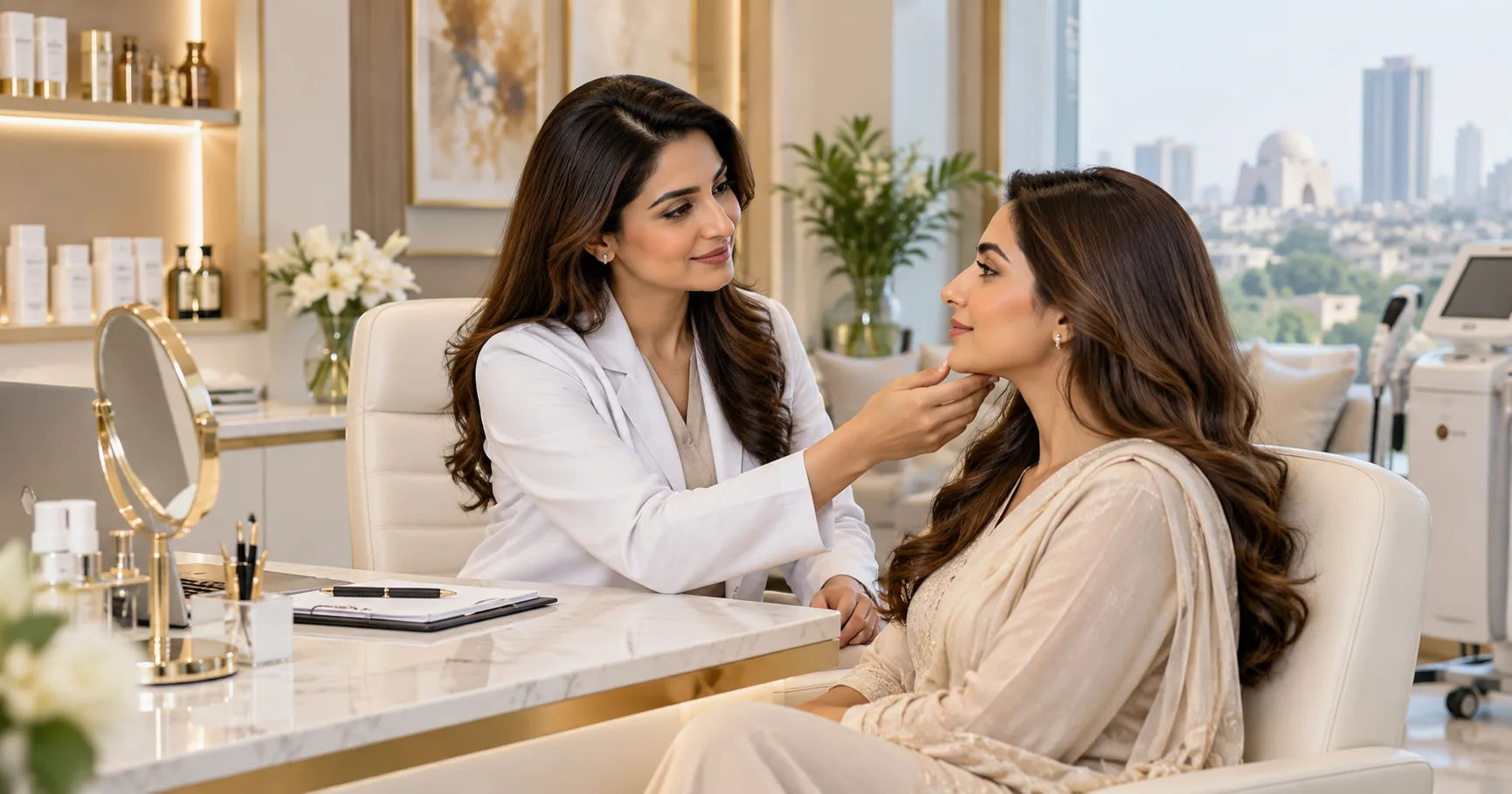 Choosing a facial aesthetics clinic in Karachi can be a useful step for people who want to understand their skin concerns and explore suitable cosmetic treatments. From non-surgical skin rejuvenation to treatments that improve hydration and facial appearance, aesthetic services can offer different benefits based on individual needs.
Before booking an appointment, it is important to understand what these treatments can realistically achieve, how long the results may take, and what precautions are necessary. A good treatment plan should focus on healthy skin, natural-looking improvements, and realistic expectations rather than promising perfect results.
Facial Aesthetic Treatments
Facial aesthetic treatments are procedures designed to improve the appearance, texture, and overall condition of the face. Some focus on skin health, while others target wrinkles, volume loss, acne scars, or specific facial features.
Treatments can range from simple professional facials to minimally invasive procedures involving specialized devices, injectable products, or controlled skin resurfacing. The right option depends on the concern being treated and the person's medical history.
Improving Skin Texture
Uneven skin texture can develop because of acne, sun exposure, aging, and changes in collagen production. It may appear as rough patches, enlarged pores, shallow scars, or areas that feel less smooth than the surrounding skin.
Professional treatments may help improve these concerns by supporting skin renewal and reducing the appearance of surface irregularities. Depending on the diagnosis, options may include chemical peels, microneedling, or certain laser treatments.
Results are usually gradual. Some people notice smoother skin after an initial session, while deeper scars and more significant texture concerns may require several treatments.
Enhancing Natural Facial Appearance
Aesthetic treatments can also help address concerns about facial balance, fine lines, or changes in volume that occur with age. Certain procedures may soften specific lines or improve the appearance of selected facial areas.
The goal should be to enhance natural features rather than change a person's identity or create an exaggerated appearance. A qualified practitioner should discuss the expected outcome before recommending any procedure.
Not every concern requires an injectable treatment or an advanced device. Sometimes, a suitable skincare routine and consistent sun protection can make a meaningful difference.
Results You Can Expect From Different Treatments
The results of facial aesthetic procedures vary according to the technique, the practitioner's skill, and the condition being treated. Understanding the purpose of each option can help you make an informed decision.
Professional Facials for Cleaner, Fresher Skin
Professional facials are among the simplest options for people who want to improve their skin's appearance without undergoing an invasive procedure.
Depending on the products and methods used, a facial may help remove surface impurities, loosen dead skin cells, and improve temporary hydration. Some treatments also include gentle exfoliation and soothing masks.
Common benefits include:
-
Skin that feels softer and cleaner.
-
Temporary improvement in hydration.
-
A fresher appearance.
-
Reduced buildup of surface impurities.
-
Better understanding of an appropriate skincare routine.
These benefits are generally modest and may not last as long as results from more targeted procedures. Professional facials cannot permanently remove deep acne scars, eliminate all wrinkles, or treat every skin condition.
People with active acne, eczema, rosacea, or highly sensitive skin should discuss these conditions before receiving exfoliating products or extractions.
Chemical Peels for Uneven Skin Tone
Chemical peels use selected acids to remove controlled layers of surface skin or reach deeper skin layers, depending on the formulation and strength. They may be recommended for certain types of pigmentation, mild acne, rough texture, and fine lines.
A superficial peel generally involves less recovery time than a medium-depth peel. Stronger peels may produce more noticeable changes but also carry greater risks.
Potential results include a more even-looking complexion, smoother skin, and a reduction in some superficial marks. The outcome depends on the type of pigmentation, skin tone, peel strength, and aftercare.
People with darker skin tones need particular care because irritation and inflammation can trigger post-inflammatory hyperpigmentation. A qualified professional should select the peel carefully and explain how to protect the skin during recovery.
Microneedling for Acne Scars and Texture
Microneedling uses fine needles to create controlled micro-injuries in the skin. These small injuries stimulate the body's natural healing response and can support collagen production.
The treatment may improve the appearance of certain shallow acne scars, enlarged pores, fine lines, and uneven texture. However, it does not guarantee complete scar removal.
Several sessions may be needed, with time between appointments for healing. Results often develop gradually over weeks or months as the skin produces and remodels collagen.
Possible side effects include redness, swelling, temporary sensitivity, and changes in pigmentation. Infection and scarring are possible when the procedure is performed incorrectly or unsuitable equipment is used.
Microneedling should be avoided over active skin infections and may not be suitable for every type of acne or skin condition. Treatments involving radiofrequency or additional products require separate assessment because their risks and expected results can differ.
Laser Treatments for Specific Skin Concerns
Laser procedures use concentrated light energy to target selected structures in the skin. Different laser systems are designed for different purposes, so the term "laser treatment" does not describe one single procedure.
Depending on the device, a qualified practitioner may use laser treatment to address certain pigmentation concerns, unwanted facial hair, visible blood vessels, or acne scars.
Some treatments require little downtime, while others may cause peeling, redness, swelling, or a longer recovery period. Several sessions are often necessary.
Laser treatment must be matched to the person's skin tone and the condition being treated. Incorrect settings or inadequate precautions can cause burns, scarring, or lasting pigmentation changes.
A consultation should explain which laser is being used, what it is expected to improve, and whether alternative treatments may be safer or more appropriate.
Can Facial Aesthetic Treatments Reduce Signs of Aging?
Aging is a natural process influenced by genetics, sun exposure, lifestyle, and changes in collagen and elastin. Over time, skin may become less firm, fine lines can deepen, and facial volume may change.
Aesthetic procedures can sometimes soften these visible changes, although they cannot stop the aging process.
Reducing Fine Lines and Wrinkles
Fine lines may develop because of repeated facial movements, sun exposure, and gradual changes in skin structure. Their appearance can be addressed through several treatment approaches.
Some procedures improve surface texture and hydration, while others target the muscle activity responsible for particular expression lines. The appropriate option depends on the location and depth of the wrinkles.
Botulinum toxin injections, when medically appropriate, temporarily reduce the activity of selected muscles. They are commonly used for certain forehead lines, frown lines, and lines around the eyes.
Results are temporary, and treatment requires a qualified medical professional. Possible complications include bruising, headaches, drooping eyelids, and unwanted muscle effects.
Skincare products containing retinoids may also improve some signs of photoaging over time, although they can cause irritation and are not suitable for everyone.
Improving Skin Firmness
Some energy-based procedures use radiofrequency or ultrasound to heat selected tissues and encourage collagen remodeling. These treatments may provide modest improvements in the appearance of skin laxity for suitable candidates.
The degree of improvement varies, and the results are generally less dramatic than those achieved through surgical lifting procedures.
People with significant loose skin should understand that non-surgical treatments cannot reliably reproduce the results of surgery. A responsible practitioner will explain these limitations before recommending a procedure.
Restoring Facial Volume
Age-related volume loss can affect areas such as the cheeks, temples, and the region around the mouth. In selected cases, dermal fillers may help restore volume or improve facial contours.
Fillers can create visible changes relatively quickly, but their effects are temporary and depend on the product, injection site, and individual response.
These procedures are not risk-free. Complications may include swelling, lumps, infection, and, rarely, blood vessel blockage that can cause tissue damage or blindness.
Because facial injections require detailed anatomical knowledge, they should only be performed by an appropriately qualified and experienced medical professional with a clear plan for managing complications.
Treating Acne, Acne Scars, and Pigmentation
Acne marks, dark spots, and uneven pigmentation are common reasons people seek professional facial treatments. However, these concerns can have different causes and may require different approaches.
Managing Active Acne
Active acne can result from clogged pores, inflammation, hormonal changes, and excess oil production. Aesthetic treatments may help in selected cases, but persistent acne often requires a medical treatment plan rather than cosmetic procedures alone.
A dermatologist may recommend topical medicines, oral medication when appropriate, or carefully selected professional treatments.
Trying aggressive exfoliation or undergoing procedures while acne is severely inflamed can worsen irritation and increase the risk of scarring.
The first goal should be to control active breakouts. Once the acne is under control, treatments for remaining scars or pigmentation can be considered.
Reducing Dark Spots and Pigmentation
Dark spots can result from sun exposure, acne inflammation, hormonal changes, or other skin conditions. Melasma, for example, is a type of pigmentation that can be influenced by sunlight and hormonal factors.
Depending on the cause, a professional may recommend topical treatments, chemical peels, or selected laser procedures. Not all pigmentation responds to the same treatment, and some conditions may worsen with inappropriate procedures.
Daily broad-spectrum sunscreen is particularly important. Without consistent sun protection, pigmentation may return even after successful treatment.
A proper assessment helps distinguish cosmetic pigmentation from skin changes that require medical examination.
Improving the Appearance of Acne Scars
Acne scars can be shallow, deep, raised, or associated with changes in skin color. Different scar types respond differently to treatment.
Microneedling, certain lasers, chemical reconstruction techniques, and other dermatologist-led procedures may help improve selected scars. Deep scars may need a combination of approaches.
The goal is usually to make scars less noticeable rather than erase them completely. A realistic treatment plan considers the scar type, skin tone, healing history, and available recovery time.
What Results Can a Facial Aesthetics Clinic in Karachi Provide?
The results depend on the services available and whether the practitioner has the qualifications and equipment needed to perform them safely.
A reputable facial aesthetics clinic in Karachi should begin with an assessment of your concerns, skin type, medical history, current skincare products, and expectations. This helps determine whether a procedure is suitable or whether a dermatologist should evaluate the condition first.
A More Even and Refreshed Complexion
Professional skincare and selected treatments may improve dryness, dullness, surface roughness, and certain types of discoloration.
Hydrating facials can make skin appear temporarily fresher, while properly selected peels or other procedures may produce longer-lasting improvements in texture or tone.
The best results often come from combining appropriate professional care with a consistent home routine. Gentle cleansing, suitable moisturization, and sun protection support the skin between appointments.
More Noticeable Improvement in Selected Concerns
Targeted treatments may help reduce particular concerns, such as some acne scars, fine lines, or unwanted facial hair. However, results depend on the underlying cause and the technology or method used.
A clinic should explain what a treatment can reasonably achieve and what it cannot. It should also provide information about the likely number of sessions, expected recovery, possible side effects, and ongoing maintenance.
Be cautious of claims that promise permanent perfection, instant transformation, or guaranteed results for every skin type.
A Personalized Treatment Plan
A personalized approach is often more useful than choosing a procedure simply because it is popular.
For example, someone with active acne may need medical acne treatment before considering a peel. Someone with pigmentation may need a careful diagnosis and a sunscreen routine before undergoing a procedure.
A good treatment plan considers both short-term improvements and long-term skin health. It should also respect the person's budget, comfort level, and willingness to manage recovery.
How Long Do Facial Aesthetic Results Take?
Treatment timelines vary considerably. Some procedures create an immediate visible effect, while others rely on gradual healing and collagen remodeling.
Professional facials may provide a fresher appearance immediately, although some benefits are temporary. Certain injectable treatments may take several days to show their full effect. Collagen-stimulating treatments can take weeks or months to produce noticeable changes.
Pigmentation and acne scars may require multiple sessions, and some conditions need ongoing treatment to remain controlled.
Factors That Affect Results
Several factors influence the outcome of aesthetic procedures:
-
Skin type: Sensitive or pigmentation-prone skin may need a more cautious approach.
-
Age and skin condition: Existing damage and the natural healing process affect results.
-
Treatment choice: Different procedures target different concerns.
-
Practitioner experience: Proper assessment, technique, and aftercare are essential.
-
Lifestyle habits: Smoking, sun exposure, and inconsistent skincare may affect skin health.
-
Consistency: Some concerns require several sessions and continued maintenance.
Following the recommended recovery instructions is also important. Picking peeling skin, using harsh products too soon, or exposing treated skin to strong sunlight can interfere with healing.
How to Choose the Right Clinic
Selecting a provider requires more than comparing prices or looking at attractive promotional photographs. Safety, professional qualifications, and clear communication should guide your decision.
Check Qualifications and Experience
Find out who will assess your skin and perform the procedure. For medical treatments, including injectables and procedures that penetrate or significantly affect the skin, verify the practitioner's relevant qualifications, training, and legal authorization.
Ask about experience with your particular concern and skin tone. A practitioner who understands pigmentation risks in darker skin may be better equipped to select an appropriate treatment.
Do not assume that every person offering aesthetic services is qualified to perform every procedure.
Ask About Equipment and Hygiene
The clinic should maintain appropriate hygiene standards, use suitable equipment, and follow established infection-control practices.
Ask whether devices are intended for the treatment being recommended and whether disposable equipment is used when required. Products and injectable substances should come from legitimate, traceable sources.
If a provider avoids answering reasonable safety questions, consider seeking another opinion.
The Full Cost
The total cost may include consultation fees, multiple sessions, prescribed skincare products, follow-up visits, and maintenance treatments.
Ask for a clear estimate before beginning. A low introductory price may not reflect the full cost of a treatment course.
Avoid choosing a procedure solely because it is inexpensive. Correct diagnosis and safe technique are more important than a discount.
Request Realistic Before-and-After Information
Before-and-after photographs can help you understand possible outcomes, but they should be viewed carefully. Lighting, camera angles, makeup, and editing can make results appear more dramatic than they are.
Ask whether the photographs represent people with similar concerns and skin types. You should also ask how long after treatment the photographs were taken and whether maintenance was required.
No ethical practitioner should guarantee that your results will match another person's photographs.
Preparing for Your Appointment
Preparation helps you and your practitioner make better decisions about treatment.
Before your appointment, consider the main concern you want to address. You might be concerned about acne scars, pigmentation, wrinkles, or overall skin texture. Prioritizing one or two concerns can make the consultation more productive.
Share your medical history, allergies, previous cosmetic procedures, and current medications. Mention any history of cold sores, abnormal scarring, or skin reactions when relevant.
Avoid starting strong skincare products or undergoing another cosmetic procedure immediately before your appointment without professional guidance. Depending on the planned treatment, you may need to pause retinoids, exfoliating acids, or other irritating products.
Ask about pain management, recovery time, and whether you will need to avoid work, exercise, or direct sunlight. If an injectable or laser procedure is planned, make sure you understand the risks and available alternatives before giving consent.
Aftercare for Better and Safer Results
Aftercare is an important part of facial aesthetic treatment. Even a well-performed procedure can cause unnecessary irritation if the skin is not cared for properly during recovery.
Follow the Recommended Skincare Routine
Use gentle products recommended for your skin and treatment. Depending on the procedure, your practitioner may advise temporarily avoiding exfoliants, retinoids, fragranced products, or other potential irritants.
Do not scrub peeling skin or attempt to remove scabs. Allow the skin to heal naturally and follow the instructions provided for cleansing and moisturization.
Protect Your Skin From Sun Exposure
Sun protection is essential after many aesthetic treatments, particularly those intended to address pigmentation or resurface the skin.
Use a broad-spectrum sunscreen with SPF 30 or higher, reapply as directed, and seek shade when sunlight is strong. A hat and other protective clothing can provide additional protection.
In Karachi's sunny climate, regular sun protection is important even when the weather feels mild. It can help reduce the risk of new pigmentation and protect the skin from further sun damage.
Know When to Seek Medical Help
Mild redness, tenderness, or swelling may occur after some procedures. However, severe or increasing pain, spreading redness, pus, fever, blistering, or unexpected changes in skin color require prompt medical advice.
After facial filler injections, unusual severe pain, pale or mottled skin, or any change in vision is an emergency. Seek immediate medical attention rather than waiting for a routine follow-up.
Clear aftercare instructions and access to appropriate medical support are important parts of safe aesthetic care.
Are Facial Aesthetic Treatments Suitable for Everyone?
No. A treatment that works well for one person may be unsuitable for another.
Pregnancy, certain medications, active infections, specific skin disorders, a history of abnormal scarring, and other medical factors may affect treatment choices. The risks depend on the procedure, so individual assessment is necessary.
People with unrealistic expectations may also benefit from taking more time before deciding. Cosmetic procedures should be a personal choice, not something undertaken because of pressure from friends, social media, or advertising.
A consultation should give you the opportunity to ask questions, consider alternatives, and decline a procedure if you are uncomfortable. In some cases, the safest recommendation may be to postpone treatment or seek a specialist medical opinion.
Conclusion
Facial aesthetic treatments can offer meaningful improvements in skin texture, hydration, selected pigmentation concerns, fine lines, and the appearance of certain acne scars. Depending on the procedure and the individual's needs, they may also help improve facial contours or reduce unwanted facial hair. However, no single treatment can address every concern, and results are influenced by skin type, treatment selection, professional skill, and aftercare.
Choosing a facial aesthetics clinic in Karachi should begin with understanding your goals and finding a qualified professional who can assess your skin carefully. The clinic should explain the expected benefits, limitations, costs, recovery period, and potential complications before recommending a procedure. It should also provide honest advice when a treatment is unlikely to deliver the desired outcome.
Long-term skin health depends on more than cosmetic procedures. Gentle cleansing, appropriate moisturization, consistent sun protection, and suitable medical care for persistent skin conditions can all contribute to a healthier appearance. Professional treatments may complement these habits, but they cannot replace them.
Ultimately, the most valuable results are those that improve your skin safely while preserving your natural features. Take time to compare treatment options, verify qualifications, and ask questions before making a decision. With realistic expectations and a personalized plan, aesthetic care can become a considered part of maintaining healthy-looking skin rather than a pursuit of unrealistic perfection.