Recovering from an illness, injury, or surgical procedure can be challenging. Patients often need more than medication and medical appointments to regain their strength and return to everyday activities. They may require regular health monitoring, professional medical assistance, emotional support, and help with daily routines. Receiving appropriate care in a familiar environment can make this process more comfortable and manageable.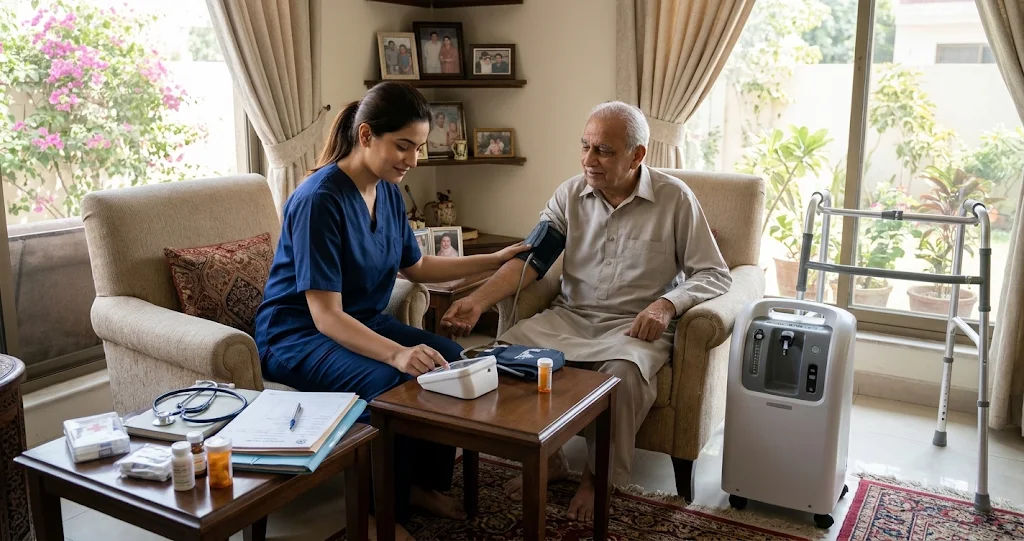
Recovery looks different for everyone. Some people recover within a few weeks, while others need several months of continued support. Older adults, patients with chronic conditions, and individuals recovering from major surgery may face additional difficulties. Having trained healthcare professionals available can help patients manage these challenges safely.
Home Nursing Services provide professional healthcare assistance in a patient's home, allowing individuals to receive appropriate medical attention without staying in a hospital longer than necessary. These services can support recovery through medication management, wound care, health assessments, personal assistance, and rehabilitation guidance. They also help families understand their loved one's medical needs and participate more confidently in the recovery process.
Understanding how home-based nursing care works can help patients and families make informed healthcare decisions. From preventing complications to promoting independence, professional nursing support can contribute significantly to a smoother recovery.
The Role of Home Nursing Care in Recovery
Home nursing care involves providing medical and personal healthcare assistance to patients in their homes. It is generally arranged according to an individual's medical condition, recovery goals, and level of independence.
Unlike ordinary household assistance, professional nursing care is provided by trained healthcare workers who understand medical procedures, patient safety, and health monitoring.
The main objective is to help patients recover safely while maintaining their comfort and dignity.
Personalized Healthcare Attention
Every patient has different medical requirements. Someone recovering from a minor operation may only need occasional wound checks and medication assistance, while another patient may require daily monitoring and more complex nursing procedures.
Professional nurses assess individual needs and follow care plans developed in coordination with the patient's healthcare provider.
This personalized approach allows nurses to focus on specific recovery goals rather than providing the same routine to everyone.
For example, a patient recovering from knee replacement surgery may need assistance with mobility, pain management, and prescribed exercises. A patient recovering from an infection may need medication monitoring, temperature checks, and observation for recurring symptoms.
Recovery in a Familiar Environment
Hospitals provide essential medical treatment, but remaining in an unfamiliar environment can sometimes be stressful.
Recovering at home allows patients to stay close to family members, personal belongings, and familiar surroundings.
A comfortable environment may help reduce anxiety and make daily routines easier to maintain. Patients can also receive assistance according to their preferred schedules, depending on the care arrangement.
However, home recovery should only begin when the patient's medical condition is stable enough for treatment outside a hospital.
How Home Nursing Services Support Physical Recovery
Home Nursing Services often requires consistent attention, especially after surgery, serious illness, or an injury. Patients may experience weakness, limited movement, discomfort, and difficulty performing ordinary activities.
Professional nursing support helps address these challenges.
Monitoring Vital Signs
Regular monitoring is an important part of recovery. Nurses may check a patient's blood pressure, pulse, temperature, respiratory rate, and oxygen saturation when clinically appropriate.
These measurements help healthcare professionals understand how the body is responding to treatment.
For example, an unusual temperature may indicate an infection, while changes in blood pressure could require medical assessment.
Nurses record relevant observations and communicate concerning changes to the responsible healthcare provider.
Early recognition of potential problems can help patients receive timely medical attention.
Supporting Medication Management
Medication schedules can become complicated during recovery. Patients may need antibiotics, pain relievers, blood pressure medication, or other prescribed treatments.
Missing doses, taking incorrect amounts, or using medicines at the wrong times can interfere with treatment.
Nurses help patients follow their prescribed medication schedules. Depending on their professional responsibilities and local regulations, they may administer medications, monitor their effects, and document doses.
They can also explain important medication instructions and remind patients about potential side effects that require medical attention.
This support is particularly valuable for older adults and individuals taking several medications.
Assisting With Wound Care
Proper wound care is essential after surgery, injuries, or certain medical procedures.
A nurse may inspect the wound, change dressings, follow infection-control procedures, and monitor the healing process according to the treatment plan.
Patients and family members can also learn how to recognize warning signs.
These may include:
-
Increasing redness or swelling around the wound.
-
Unusual discharge or an unpleasant smell.
-
Increasing pain or tenderness.
-
Fever or chills.
-
Wound edges separating instead of healing.
Recognizing these symptoms early can help prevent complications.
Professional wound management also helps maintain cleanliness and ensures that prescribed dressing procedures are followed correctly.
Preventing Complications During Recovery
Preventing complications is one of the most important responsibilities of professional nursing care.
Patients recovering at home may face risks related to reduced mobility, medication changes, infections, and existing medical conditions.
Nurses help reduce these risks through observation, education, and appropriate preventive measures.
Reducing the Risk of Infections
Infections can delay healing and create serious health problems, particularly for patients recovering from surgery or dealing with weakened immunity.
Nurses follow appropriate hygiene and infection-control practices when providing care.
These practices may include washing hands, using suitable protective equipment, cleaning treatment areas, and handling medical supplies safely.
They also monitor patients for signs of infection and report concerning symptoms.
Family members can benefit from learning proper hygiene techniques so they can maintain a cleaner recovery environment between nursing visits.
Preventing Pressure Sores
Patients who spend long periods in bed or have limited mobility may develop pressure injuries.
These injuries occur when continuous pressure damages the skin and underlying tissues.
Nurses help reduce this risk by assessing the patient's skin, supporting regular repositioning, and following appropriate pressure-relief strategies.
They may also recommend suitable mattresses, cushions, and skin-care routines.
Adequate nutrition and hydration are important because the body needs sufficient nutrients and fluids to maintain healthy skin and support tissue repair.
Identifying Changes in Medical Conditions
Some complications develop gradually rather than appearing suddenly.
A patient with a chronic condition may experience changes in appetite, energy levels, breathing, or mobility during recovery.
Regular observation helps nurses identify unusual patterns and communicate them to the healthcare team.
This ongoing attention is particularly important for patients with diabetes, heart conditions, respiratory diseases, and other long-term health concerns.
Supporting Rehabilitation and Improved Mobility
Physical activity is often an important part of recovery. However, patients should return to movement gradually and follow the recommendations of their healthcare professionals.
Nursing support can make this process safer and more manageable.
Assistance With Daily Movement
After surgery or a serious illness, patients may struggle with sitting, standing, walking, or moving between rooms.
Nurses can provide appropriate assistance based on the patient's abilities and care plan.
They may help patients move safely from their beds to chairs, use prescribed mobility aids, and reduce the risk of falls.
Regular movement, when medically appropriate, can help maintain muscle strength and improve circulation.
It may also reduce some complications associated with prolonged bed rest.
Supporting Prescribed Exercises
Some patients need structured rehabilitation to regain strength, flexibility, and coordination.
Nurses can encourage patients to follow exercises prescribed by their physiotherapists or other qualified professionals.
They may help patients maintain a suitable routine and observe whether activities cause unusual pain, dizziness, or excessive fatigue.
However, nurses do not replace physiotherapists. Patients requiring specialized rehabilitation should receive treatment from appropriately qualified professionals.
Encouraging Gradual Independence
The purpose of recovery is not simply to help patients complete daily tasks. It is also to help them regain as much independence as possible.
Nurses encourage patients to participate in activities according to their physical abilities.
For instance, a patient may gradually begin dressing independently, walking short distances, or preparing simple meals.
Progress should be realistic and based on medical recommendations.
Small improvements can build confidence and motivate patients to continue working toward their recovery goals.
Providing Emotional and Psychological Support
Physical healing is only one part of recovery. Patients may also experience emotional difficulties after surgery, hospitalization, or serious illness.
They might feel anxious, frustrated, lonely, or uncertain about their future.
Professional nursing care can provide reassurance and emotional support during this period.
Reducing Stress and Anxiety
Medical procedures and unfamiliar symptoms can make patients worried about their health.
Having a trained nurse available to answer appropriate questions and explain care routines can reduce uncertainty.
Nurses can listen to concerns, communicate respectfully, and help patients understand what to expect during recovery.
Although they do not replace mental health professionals, their supportive presence can make daily care less stressful.
Building Patient Confidence
Some patients become hesitant to move or perform everyday activities because they fear pain or reinjury.
Nurses can encourage safe participation in recovery activities while respecting medical restrictions.
They can explain how prescribed treatments support healing and recognize improvements in the patient's condition.
This encouragement can help individuals develop confidence and become more involved in their own care.
Maintaining Social Connection
Extended illness can sometimes lead to isolation.
Patients receiving care at home may have more opportunities to interact with family members and maintain familiar social routines.
Nurses can also encourage appropriate communication with relatives and help families understand how to provide emotional support.
A positive social environment can contribute to a more comfortable recovery experience.
Supporting Nutrition and Hydration
Nutrition plays an important role in the body's ability to repair damaged tissues, maintain energy, and fight infections.
Patients recovering from surgery or illness may have reduced appetites, digestive problems, or difficulty preparing meals.
Nursing support can help address these concerns.
Encouraging Balanced Nutrition
Patients need appropriate nutrients to support healing.
Protein helps repair tissues, while vitamins and minerals contribute to normal body functions. Fruits, vegetables, whole grains, and suitable protein sources can support a balanced diet.
Nurses may monitor eating habits and encourage patients to follow dietary recommendations from their healthcare providers or registered dietitians.
For example, patients recovering from surgery may need additional protein, while individuals with certain medical conditions may require specific dietary restrictions.
Nutrition recommendations should always reflect individual health needs.
Monitoring Fluid Intake
Adequate hydration supports circulation, digestion, and normal body functions.
Some patients may forget to drink enough water, especially when they are weak or dependent on others.
Nurses can monitor fluid intake when necessary and encourage patients to follow their prescribed hydration plans.
However, patients with kidney disease, heart failure, or other conditions may have fluid restrictions. In these situations, nurses should follow the healthcare provider's instructions rather than encouraging additional fluids without assessment.
How Home Nursing Services Help Elderly Patients Recover
Older adults may require additional assistance during recovery because age-related changes can affect strength, balance, mobility, and overall health.
A relatively minor illness or surgical procedure can sometimes lead to a longer recovery period.
Professional nursing assistance can address several age-related challenges.
Managing Multiple Health Conditions
Older patients may live with several medical conditions, such as diabetes, arthritis, hypertension, or heart disease.
Managing these conditions alongside recovery can be difficult.
Nurses help monitor relevant symptoms, follow prescribed treatment plans, and identify changes that may require medical attention.
This support can make healthcare routines easier for patients and their families.
Supporting Personal Hygiene
Patients recovering from illness may struggle with bathing, dressing, grooming, and using the bathroom.
Nurses can provide suitable assistance while maintaining privacy and dignity.
Good personal hygiene also supports comfort and helps reduce certain infection risks.
The amount of assistance should depend on the patient's abilities and personal preferences.
Improving Home Safety
Falls can cause serious injuries, particularly among older adults.
Nurses may identify common safety concerns during home visits, such as slippery floors, poor lighting, and obstacles in walking areas.
They can recommend practical improvements, including grab bars, suitable footwear, mobility aids, and accessible furniture arrangements.
These changes can help create a safer environment for recovery.
Supporting Families and Caregivers
Family members often play an important role in caring for someone recovering at home.
However, providing continuous assistance can become physically and emotionally demanding.
Professional nursing care helps families manage these responsibilities more effectively.
Educating Family Members
Nurses can teach family caregivers how to assist with basic care activities.
Depending on the patient's needs, this education may include:
-
Following hygiene and infection-prevention practices.
-
Recognizing warning signs and reporting changes.
-
Helping patients move safely.
-
Following medication instructions.
-
Maintaining appropriate nutrition and hydration.
-
Supporting prescribed daily routines.
This guidance can improve the quality and consistency of care between professional visits.
Reducing Caregiver Stress
Looking after a recovering patient may involve long hours, interrupted sleep, and constant concern about medical needs.
Having professional assistance can give family members time to manage their own responsibilities.
It also provides reassurance that certain healthcare tasks are being handled by trained individuals.
This shared approach can improve the experience for both patients and caregivers.
Improving Communication With Healthcare Providers
Recovery may involve several healthcare professionals, including doctors, nurses, physiotherapists, and dietitians.
Nurses can help communicate relevant observations and provide updates about the patient's condition.
Good communication makes it easier for the healthcare team to identify concerns and adjust the care plan when necessary.
How to Choose the Right Home Nursing Care Provider
Choosing an appropriate nursing provider is an important decision because the quality of care can influence a patient's safety and recovery experience.
Families should consider several factors before making arrangements.
Check Professional Qualifications
Confirm that nurses have appropriate education, training, registration, and experience.
Requirements differ between locations, so families should check the relevant local licensing and regulatory standards.
Patients with complex medical needs may require nurses with specialized clinical experience.
Understand the Available Services
Not every provider offers the same level of care.
Some focus on basic nursing visits, while others provide specialized wound management, medication administration, post-operative care, or continuous nursing assistance.
Families should confirm that the provider can meet the patient's specific medical requirements.
Review Care Plans and Communication
A suitable provider should explain how care will be organized.
Ask how often nurses will visit, what tasks they will perform, how progress will be documented, and whom the family should contact if concerns arise.
Clear communication helps prevent misunderstandings and supports consistent care.
Consider Safety and Reliability
Patients need dependable healthcare professionals who respect their privacy and follow established safety procedures.
Families should ask about staff supervision, emergency protocols, infection-control practices, and arrangements for replacing nurses when necessary.
It is also important to understand the costs, payment arrangements, and any additional charges before beginning treatment.
When Should Patients Consider Home Nursing Services?
Home nursing care may be appropriate in several situations, depending on medical advice and the patient's condition.
Common examples include:
After surgery: Patients may need wound care, medication assistance, mobility support, and monitoring during the initial recovery period.
After hospitalization: Individuals discharged from hospitals may require continued observation and assistance with treatment routines.
During recovery from serious illness: Patients recovering from infections or other significant illnesses may benefit from professional monitoring and personal care.
For elderly individuals: Older adults with limited mobility or multiple medical conditions may need additional nursing assistance.
For patients with chronic illnesses: Individuals managing long-term health conditions may require regular monitoring and help following prescribed treatment plans.
For patients with limited mobility: Those who cannot easily travel to healthcare facilities may benefit from appropriate nursing support at home.
However, home care is not suitable for every medical situation. Severe breathing difficulties, chest pain, sudden confusion, uncontrolled bleeding, or other emergency symptoms require immediate medical assessment through emergency services.
Home nursing should complement medical treatment, not replace emergency care or necessary hospital treatment.
Conclusion
Recovery is a gradual process that requires patience, consistent medical attention, and appropriate support. Whether someone is recovering from surgery, managing a serious illness, or dealing with age-related health challenges, having access to professional healthcare assistance can make everyday recovery activities easier and safer.
Home Nursing Services support recovery by providing personalized medical attention, monitoring vital signs, assisting with prescribed medications, managing wounds, and helping prevent complications. They also contribute to physical rehabilitation by supporting safe movement, encouraging appropriate activity, and helping patients gradually regain independence.
Beyond medical responsibilities, nurses provide valuable emotional reassurance and guidance to family caregivers. Their involvement can help patients feel more comfortable while giving relatives greater confidence in managing daily healthcare needs.
Another important benefit is continuity of care. Regular communication, accurate observations, and consistent treatment routines help healthcare providers understand how patients are progressing. When concerns arise, timely reporting can support appropriate medical decisions.
Choosing the right nursing provider is equally important. Families should consider professional qualifications, available services, experience, safety procedures, communication, and affordability. A well-organized care plan should reflect the patient's medical condition and personal recovery goals.
Ultimately, successful recovery depends on a combination of professional healthcare, patient participation, family support, and appropriate medical supervision. With the right arrangements, home-based nursing care can create a supportive environment where patients work toward better health, improved mobility, and greater independence while receiving the attention they need.